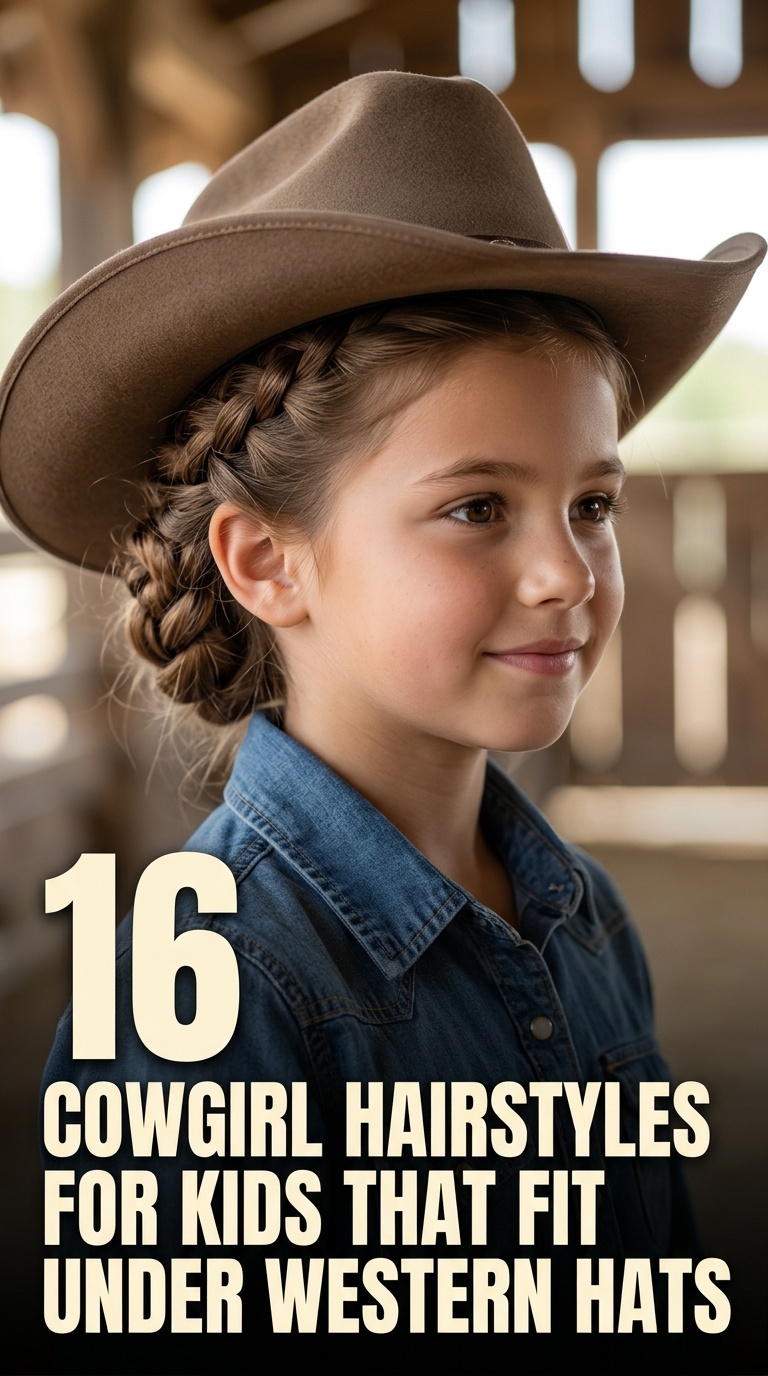
Finding the perfect hairstyle for young riders is a challenge. It needs to look great while staying secure under a heavy felt or straw hat.
A good western hairstyle prevents the hat from popping off. It also keeps hair out of the eyes during a ride or a pageant.
These sixteen styles are practical, durable, and Western-approved. Whether for a rodeo or a trail ride, these looks stay put all day long.
1. Classic Low Twin Braids
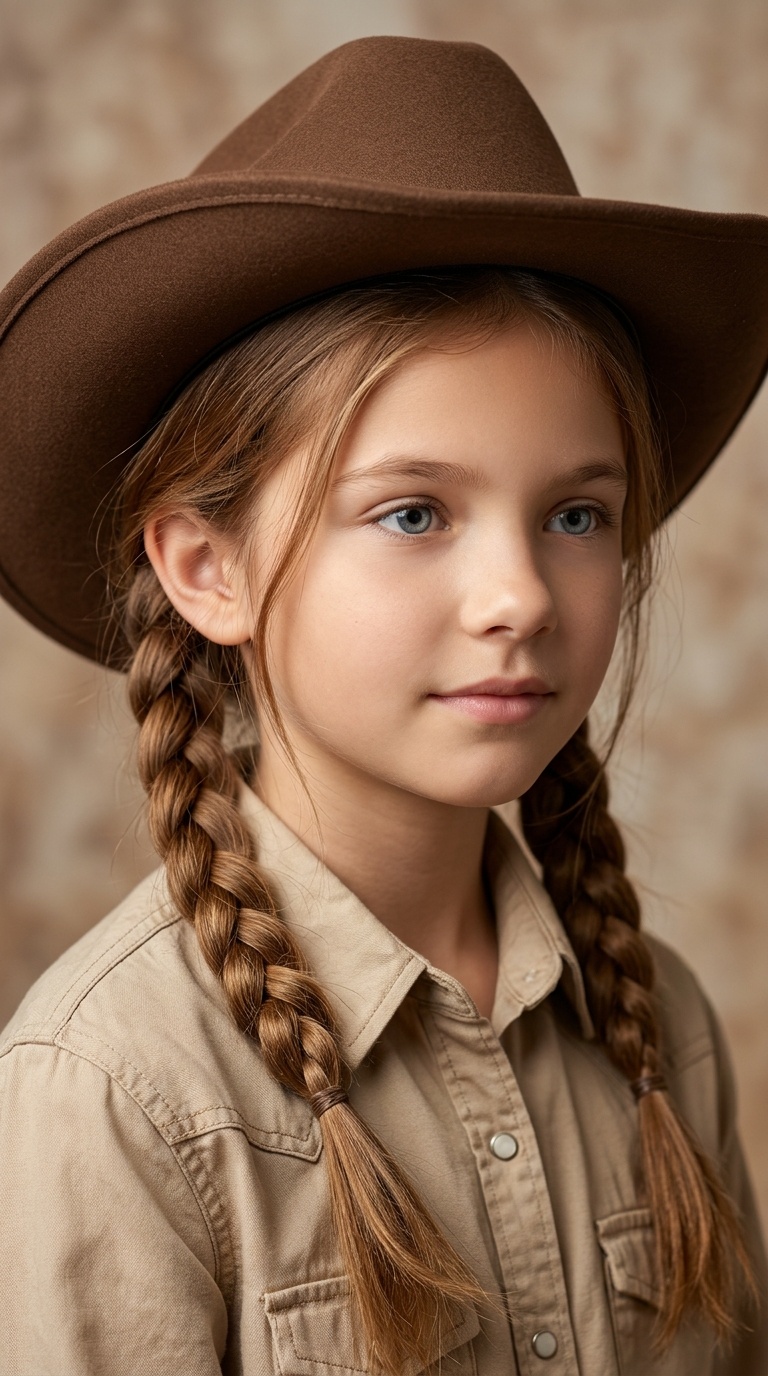
The classic low twin braid is a staple in the Western world because it provides balance and symmetry. By splitting the hair down the center and braiding from the nape, the style remains completely flat against the head.
This flat profile allows the sweatband of a Western hat to sit snugly against the forehead and ears. It eliminates the “pushed up” look that often happens with bulkier styles, ensuring the hat stays level.
To keep this look clean for a long day at the arena, use a light pomade on the flyaways before braiding. Secure the ends with clear elastics to maintain a professional, streamlined appearance.
2. The Sleek Low Ponytail
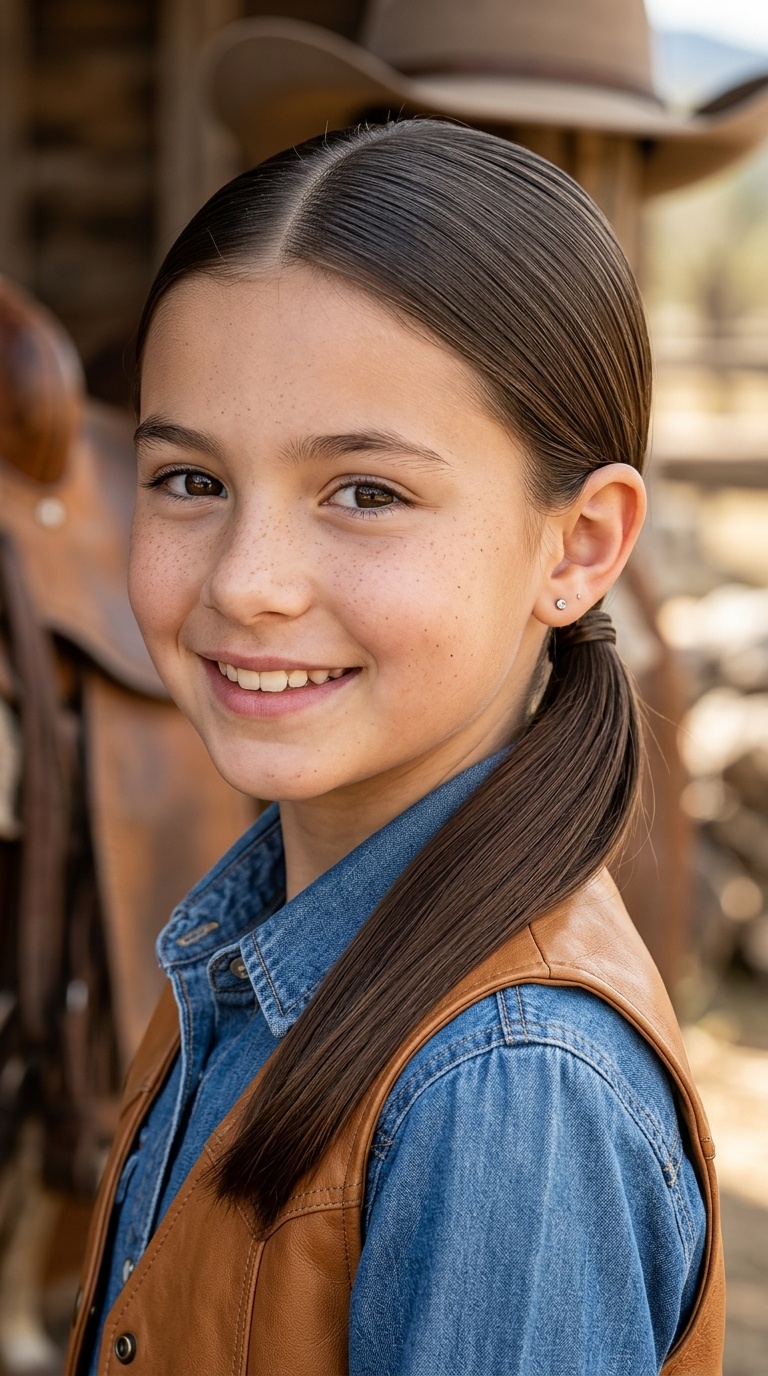
The sleek low ponytail is perhaps the most versatile option for any young cowgirl. It gathers all the hair at the very base of the neck, well below the brim of the hat.
This style is ideal for performance classes where a clean, polished look is required. Because the hair is pulled back tight, it prevents loose strands from blowing into the rider’s face during a gallop.
Wrap a small section of hair around the elastic to hide it for a more “grown-up” professional finish. This small detail elevates the look from a basic gym style to a competitive Western ensemble.
More Amazing Ideas



3. Dutch Braided Pigtails
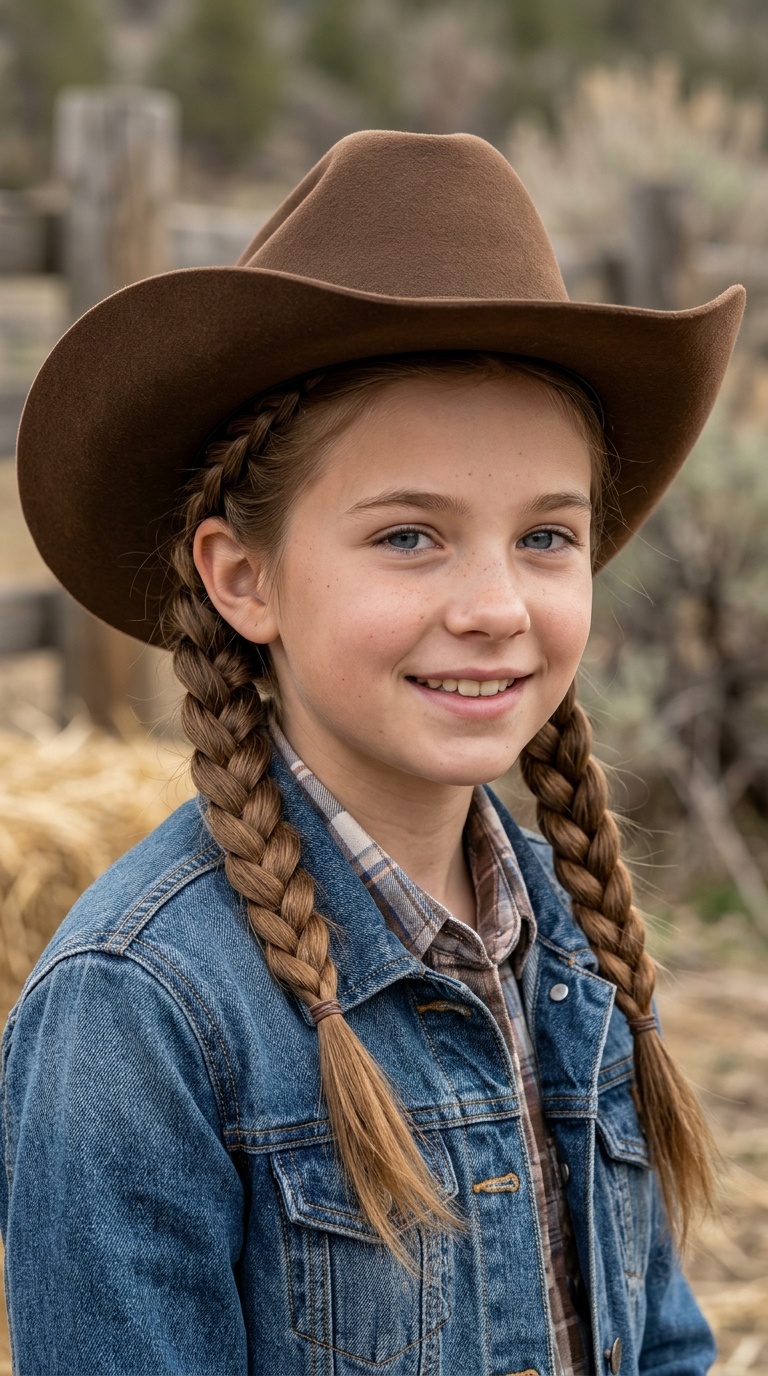
Dutch braids, often called “inside-out” braids, sit on top of the hair but can be kept very tight and low. Starting the braids behind the ears ensures they do not interfere with the hat’s fit.
These braids are incredibly durable and can withstand wind, dust, and fast movement. They are particularly effective for thick hair that might otherwise feel heavy or bulky under a hat.
Ensure the braids start low enough so the hat’s crown doesn’t press down on the initial weave. This prevents discomfort and keeps the hat from shifting during active movement.
4. The Bubble Low Pony
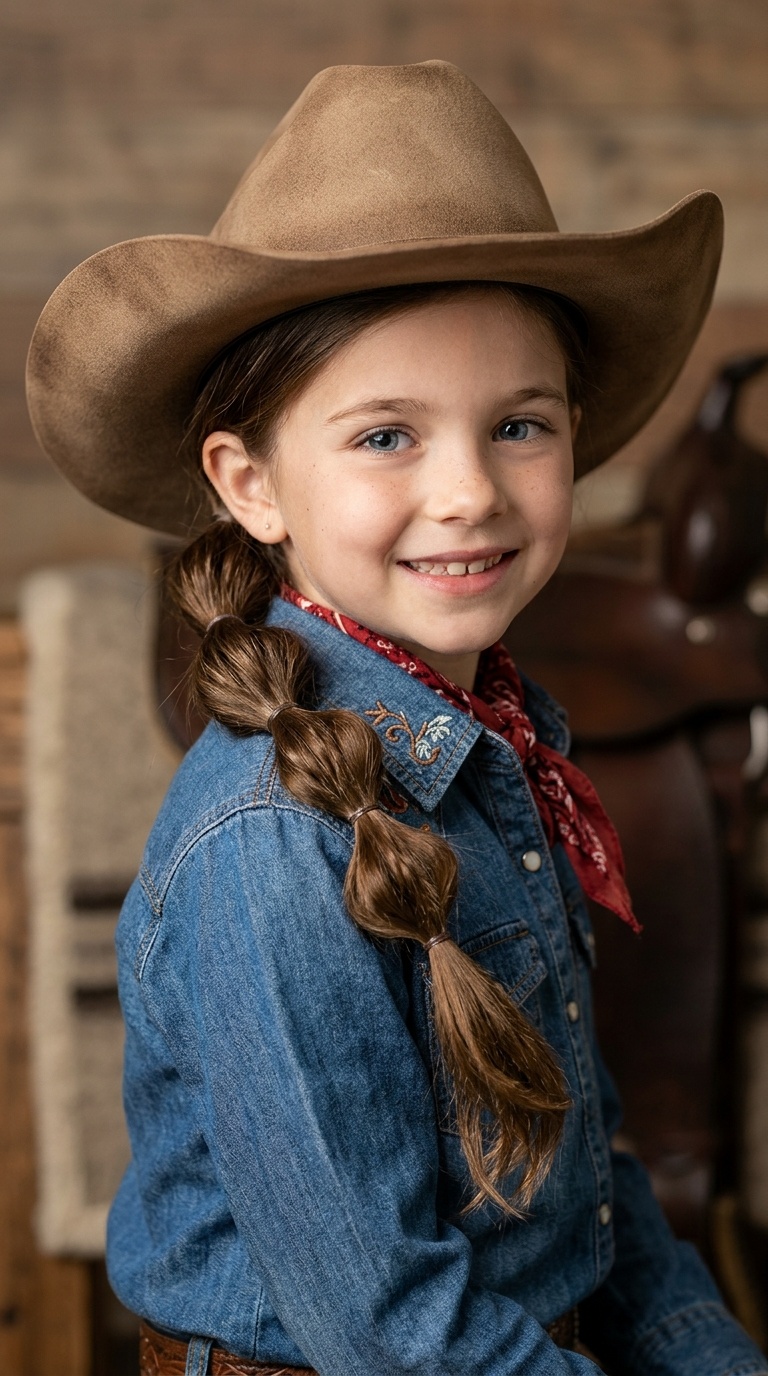
The bubble ponytail is a modern twist on the traditional low pony that adds visual interest without adding height. It involves placing multiple elastics down the length of the ponytail and “puffing” the sections.
Since all the volume is located below the neck, the hat can sit perfectly on the head without any interference. It provides a playful look that is still very functional for outdoor activities.
Use colorful elastics to match a saddle blanket or a western shirt for a coordinated look. This style is also excellent for preventing tangles during a long day of riding.
5. Side Fishtail Braid
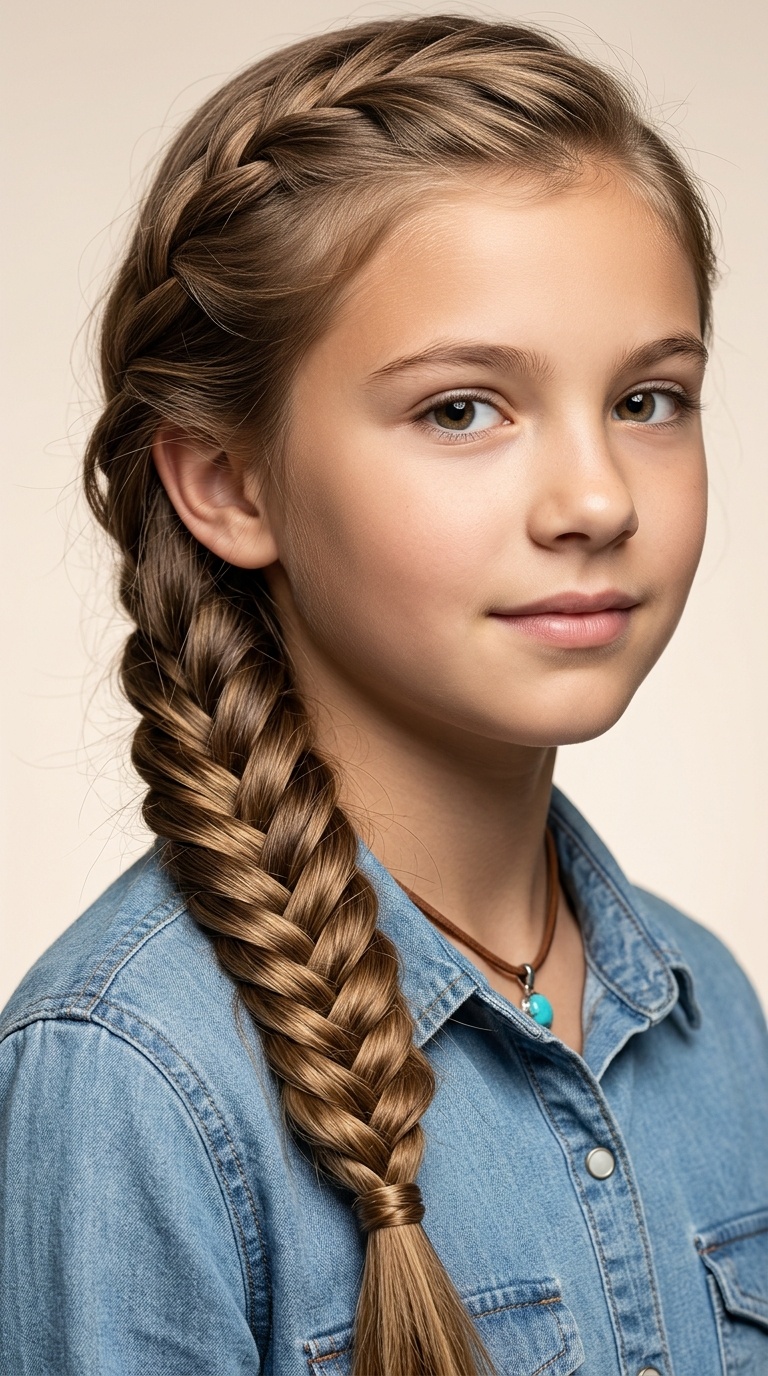
A side fishtail braid offers a touch of elegance while remaining completely hat-compatible. By sweeping the hair to one side before braiding, the bulk of the hair sits over the shoulder.
This asymmetry doesn’t affect the hat’s balance because the hair is gathered at the very bottom of the hairline. The fishtail weave is tight and intricate, which helps it stay together even in high winds.
More Amazing Ideas





If the hair has layers, use a bit of hairspray or texturizing spray to keep the smaller pieces from poking out. This style looks better as the day goes on, even if it gets slightly “lived-in.”
6. The Low Nape Bun
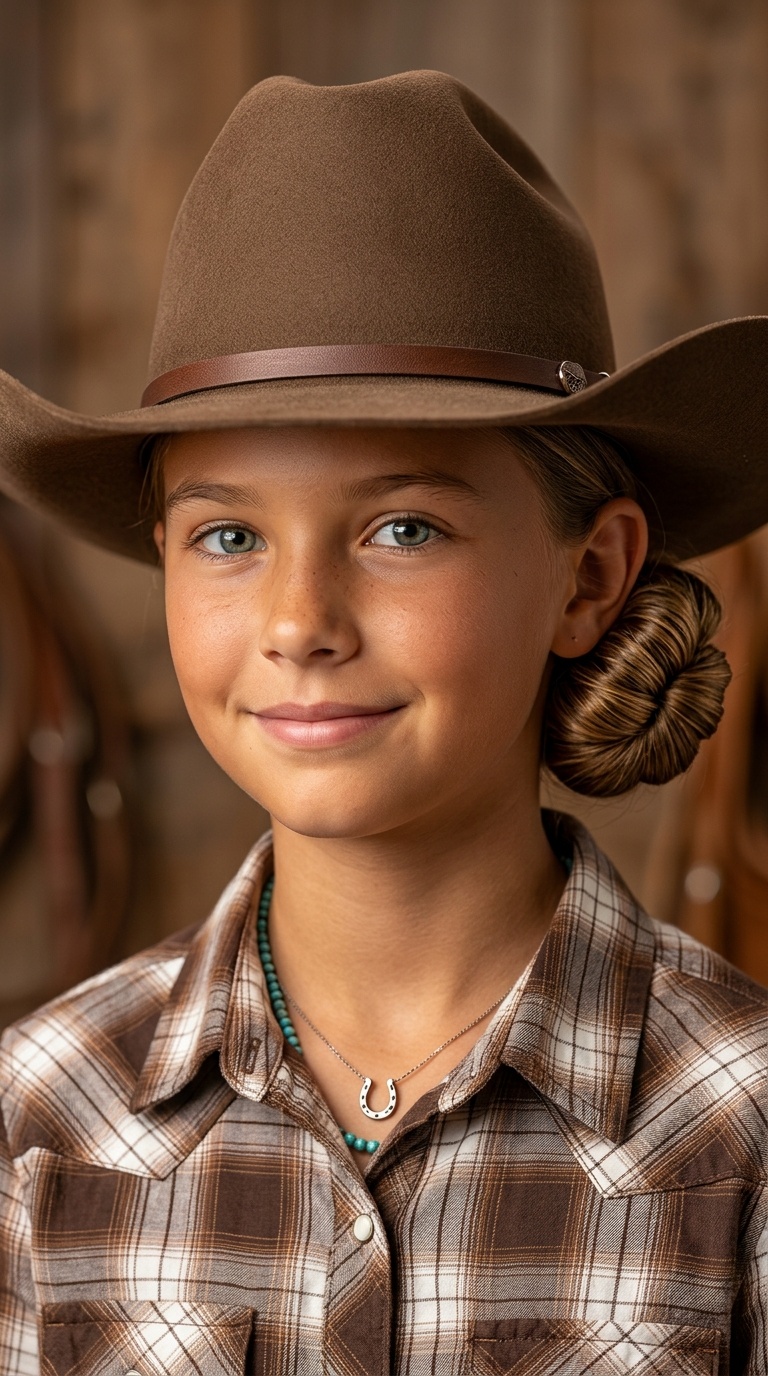
The low nape bun is the ultimate choice for a sophisticated, traditional Western look. By securing the bun at the very base of the skull, the hat can sit at the proper angle.
This style is often preferred for formal showmanship or horsemanship classes. It keeps the hair completely contained, which is often a requirement for safety and presentation in the ring.
Use a hair net that matches the hair color to ensure no loose strands escape during the ride. A flat, disc-shaped bun is better than a “donut” shape to keep the profile slim.
7. Cross-Over Accent Braids
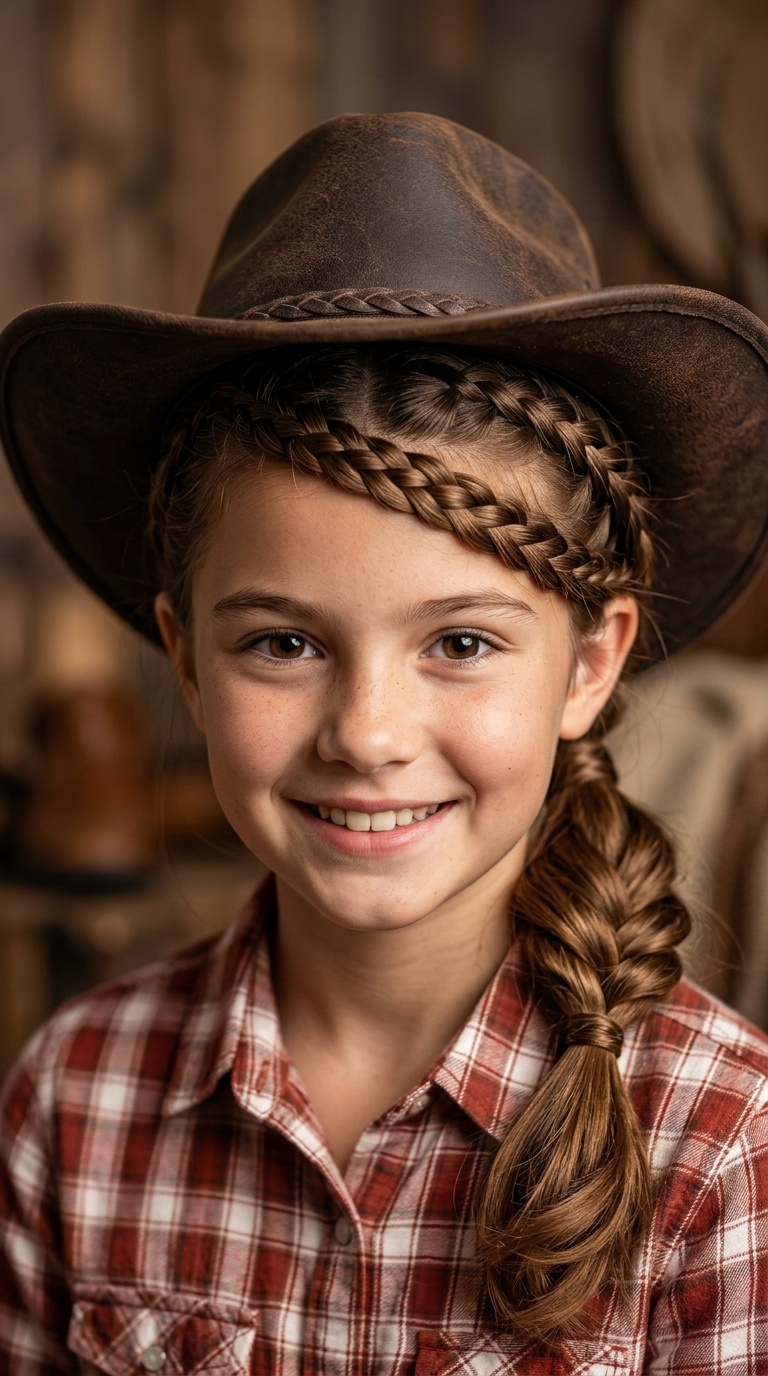
Cross-over accent braids involve two small braids from the temples that cross over at the back and join into a low ponytail. This keeps the hair away from the face effectively.
The braids sit flat against the scalp, so they won’t create “hot spots” or pressure points under the hat’s sweatband. It’s a great way to add detail to a simple ponytail.
This style is perfect for hair that is medium length. It provides enough tension to keep the front tidy while allowing the back to move naturally.
8. Rope Twist Low Pony
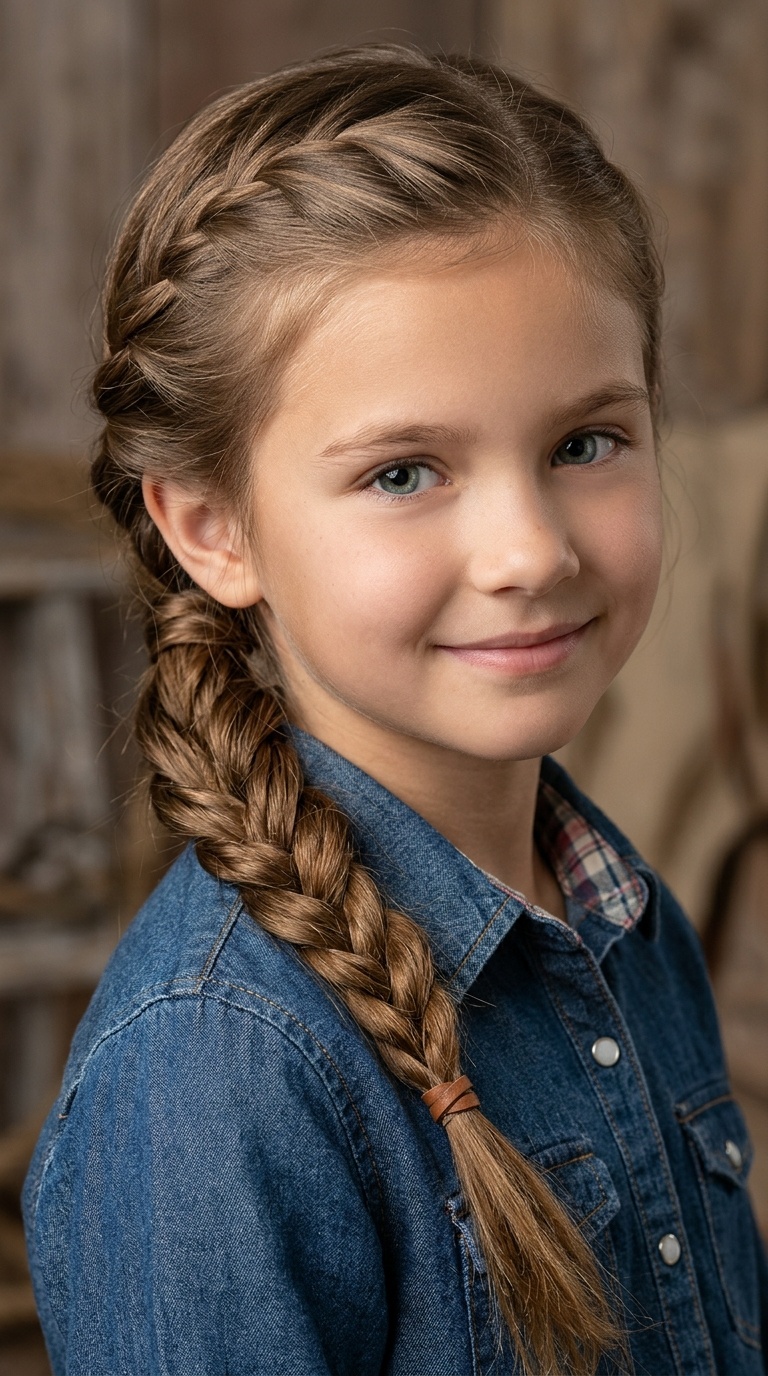
A rope twist is created by twisting two sections of hair individually and then wrapping them around each other. It creates a sturdy, cord-like effect that looks great under a brim.
Because the twist is dense, it doesn’t fray as easily as a standard three-strand braid. It maintains its shape through vigorous activity, making it a favorite for barrel racers.
More Amazing Ideas




To prevent the twist from unraveling, ensure you twist the two strands in one direction and wrap them in the opposite. This “locking” technique is the secret to a long-lasting rope braid.
9. Hidden Elastic Sections
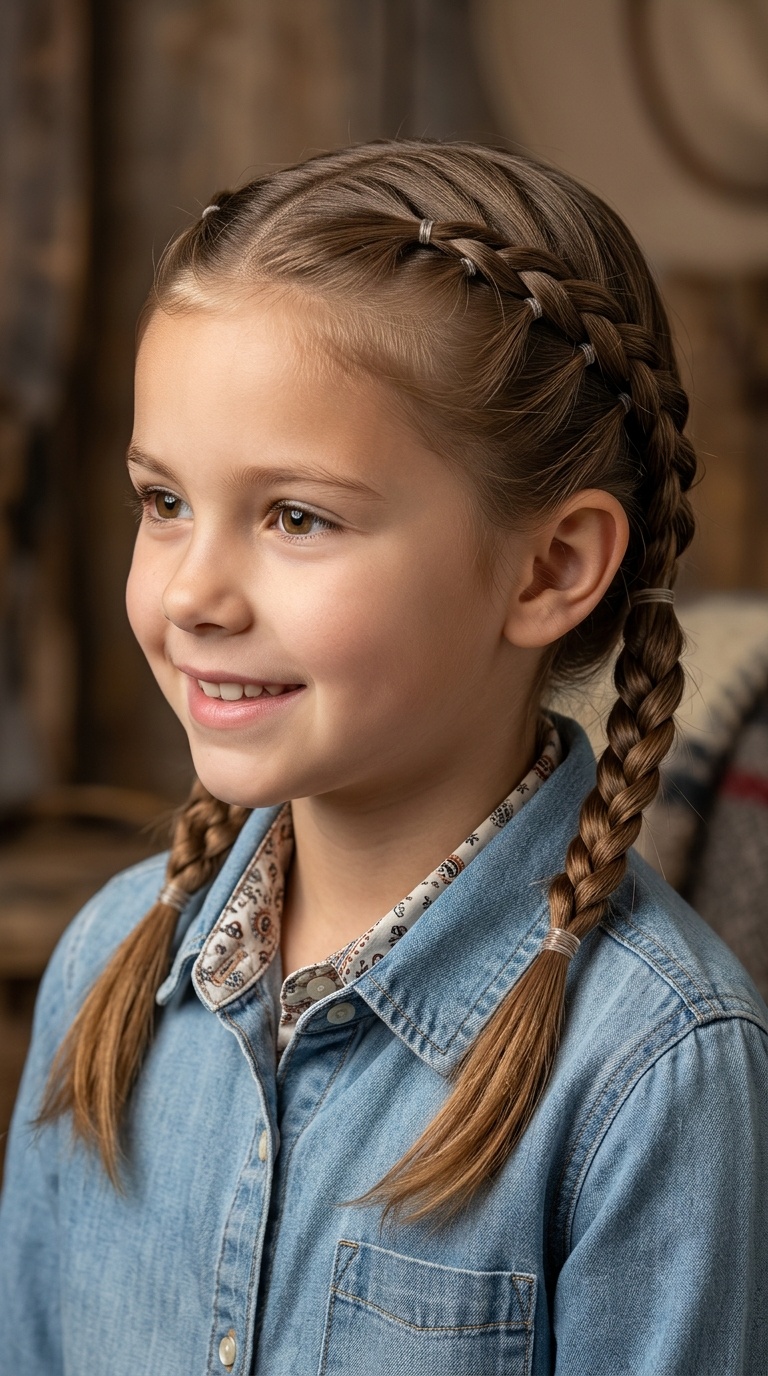
This technique involves creating a series of small ponytails that feed into each other along the back of the head. It keeps every layer of hair secure and flat.
Since the elastics are placed close to the scalp, they create a very low-profile “ladder” effect. This ensures that the hat sits as low as possible on the brow for a traditional look.
This is the best style for hair with many short layers that usually fall out of a braid. It “locks” the hair in sections from the forehead all the way to the nape.
10. Loose Waves with Front Braids
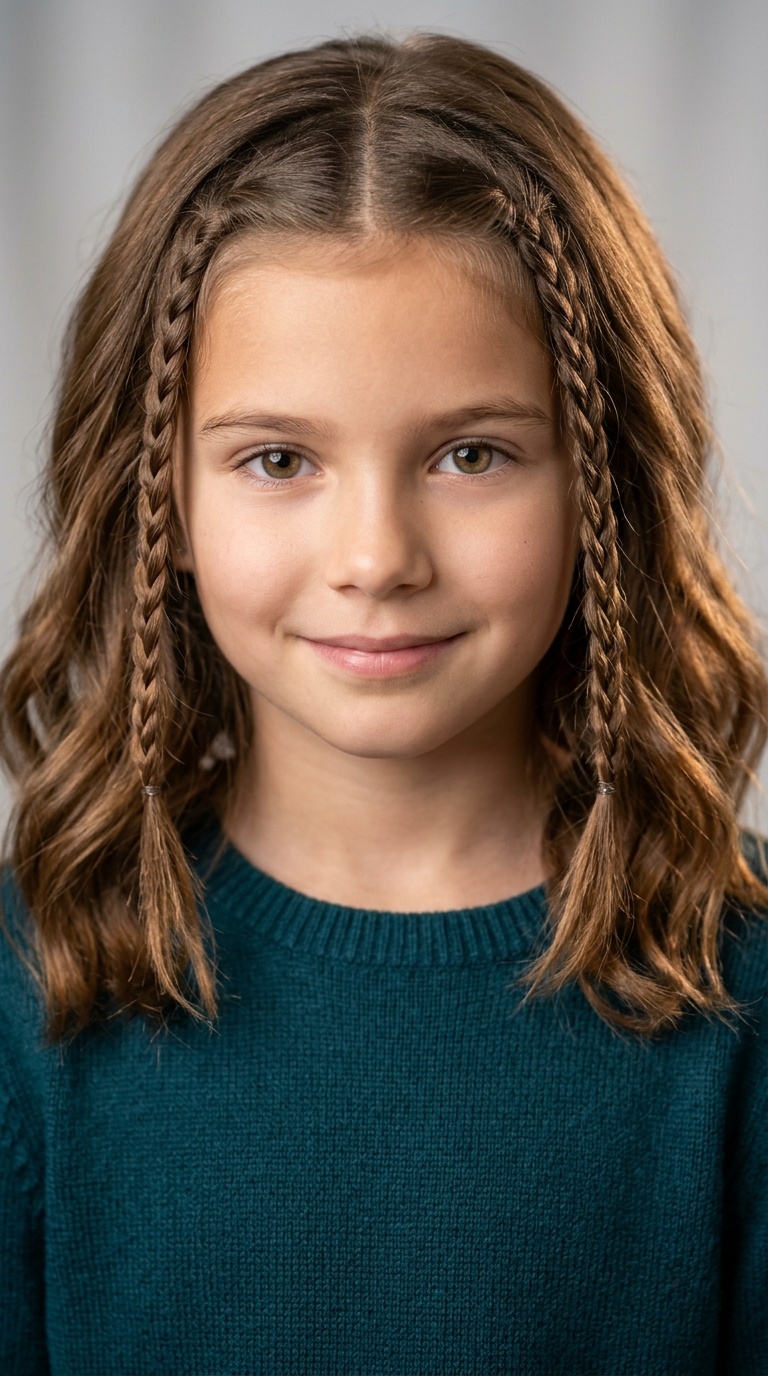
For a more casual trail-ride look, small accent braids in the front can be paired with loose hair in the back. The braids keep the hair out of the eyes while the rest stays free.
The key is to keep the braids very thin so they don’t change the circumference of the head. This allows the hat to fit exactly as it was measured.
This style works best for photo shoots or relaxed outings where maximum security isn’t the primary goal. It captures a classic “Boho-Western” aesthetic perfectly.
11. Multi-Elastic Mohawk (Low Profile)
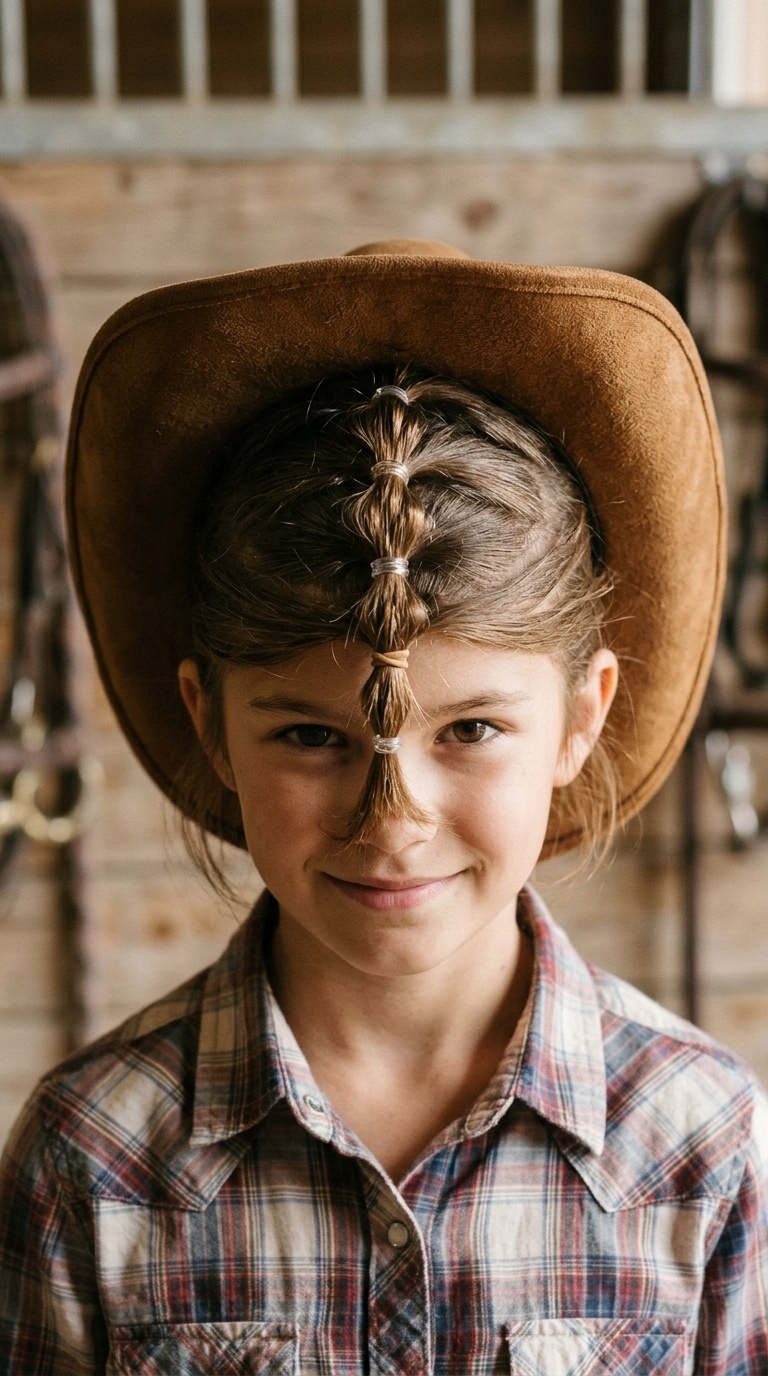
The low-profile mohawk uses a series of small ponytails down the center of the head, but they are pulled tight to stay flat. It’s a very secure way to manage thick, unruly hair.
This style is particularly good for staying power because even if one elastic breaks, the rest of the style stays intact. It fits comfortably under the crown of any Western hat.
More Amazing Ideas


Use elastics that match the hair color for a seamless look, or bright colors for a fun, youthful vibe. It’s a high-energy style that’s ready for the rodeo.
12. Wrapped Side Ponytail
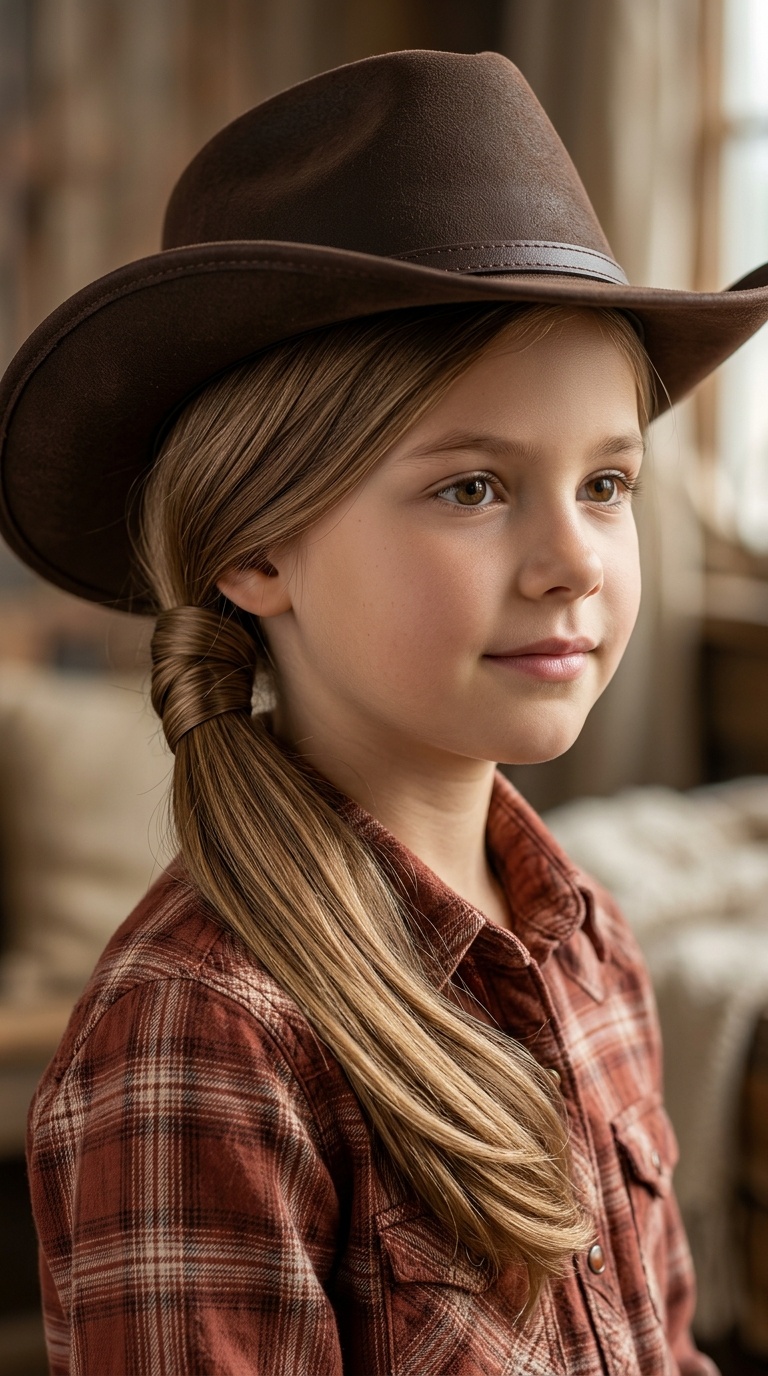
The wrapped side ponytail is a simple variation that pulls the hair to one side, just below the ear. Wrapping a section of hair around the base gives it a finished, professional look.
This style is popular because it allows the ponytail to be seen from the front, which looks great in photographs. It doesn’t interfere with the back of the hat’s brim at all.
Use a heavy-duty elastic to ensure the weight of the side pony doesn’t cause it to sag. A firm base is essential for maintaining the look throughout the day.
13. Triple Low Braids
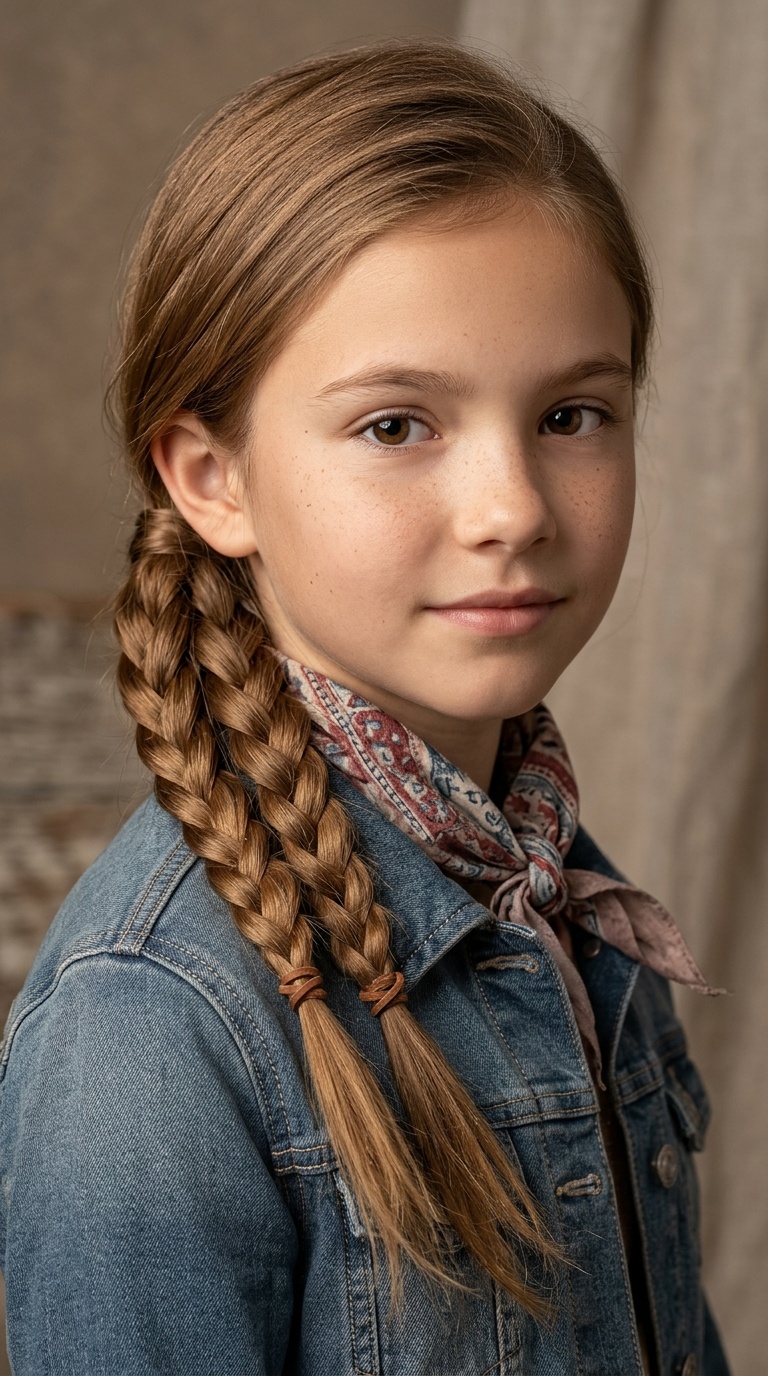
Instead of two braids, try three. This divides the hair into smaller sections, making the braids even flatter and easier to tuck away if needed.
The center braid follows the spine, while the two side braids sit just behind the ears. This distribution of hair volume is the most efficient for a perfect hat fit.
Triple braids are also excellent for creating crimped waves the next day. It’s a “two-for-one” style that parents and kids both appreciate.
14. The “Inside-Out” Topsy Tail
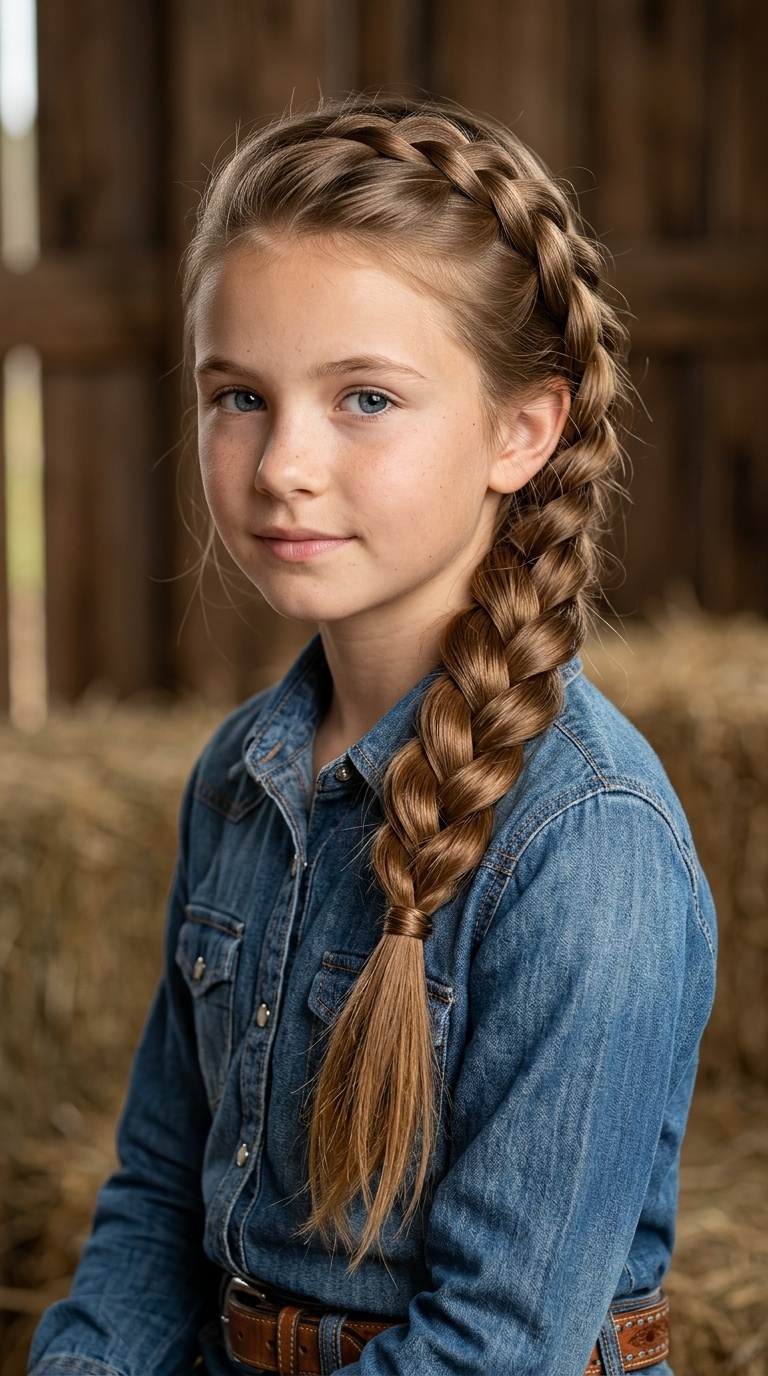
The topsy tail is created by flipping a low ponytail through a gap in the hair above the elastic. It creates a beautiful twisted detail at the nape of the neck.
This style is very flat and doesn’t have the “bump” that some knots or buns create. It’s an easy way to make a simple ponytail look much more intricate.
More Amazing Ideas




This works best on hair that is at least shoulder-length. It’s a quick style that can be done in under two minutes before a ride.
15. French Braid into Low Bun
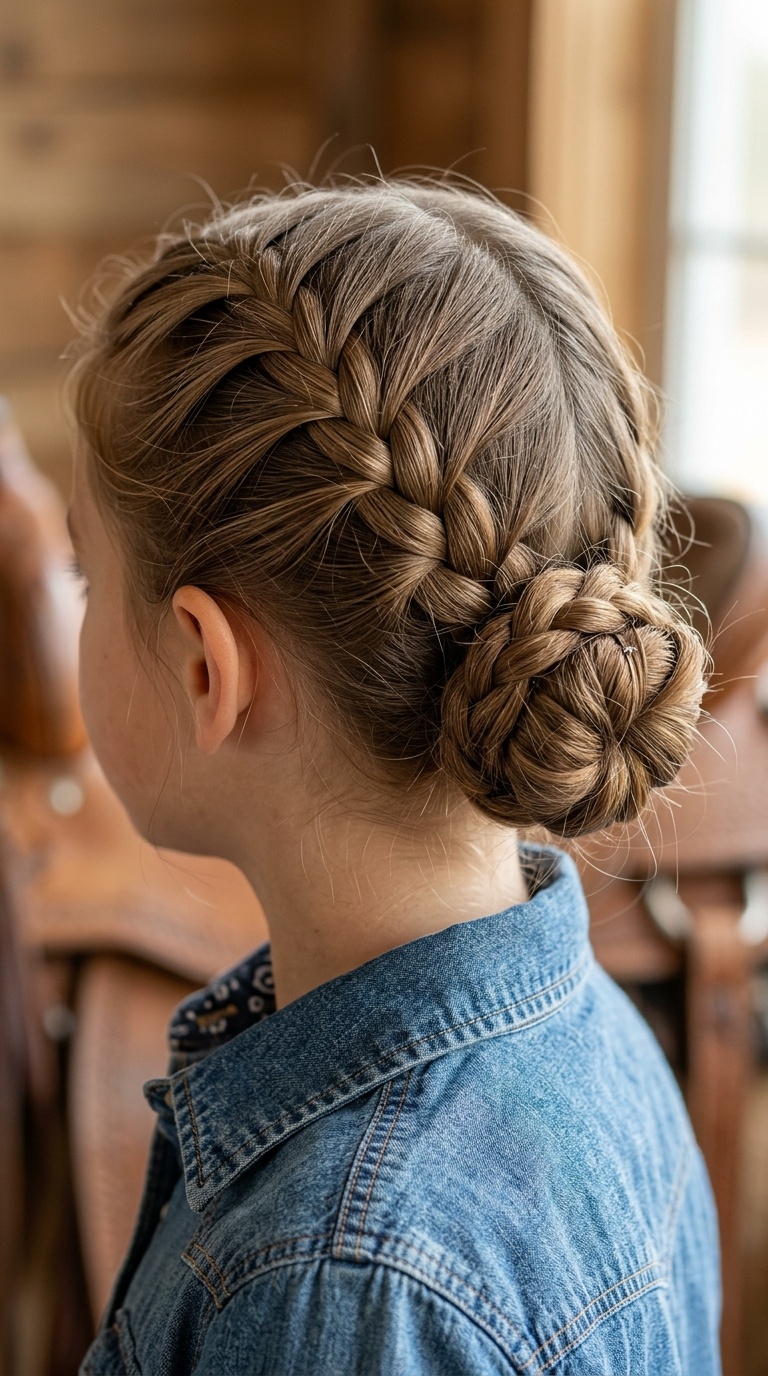
A French braid that starts at the crown and ends in a low bun combines the security of a braid with the neatness of a bun. It’s the “gold standard” for formal Western events.
Because the French braid pulls hair from the sides, it prevents any bagging or sagging under the hat. The bun at the bottom provides a clean finish that clears the brim.
Use a few bobby pins to secure the bun firmly to the base of the head. This prevents the bun from bouncing and potentially knocking the hat forward.
16. Snake Braid Accent
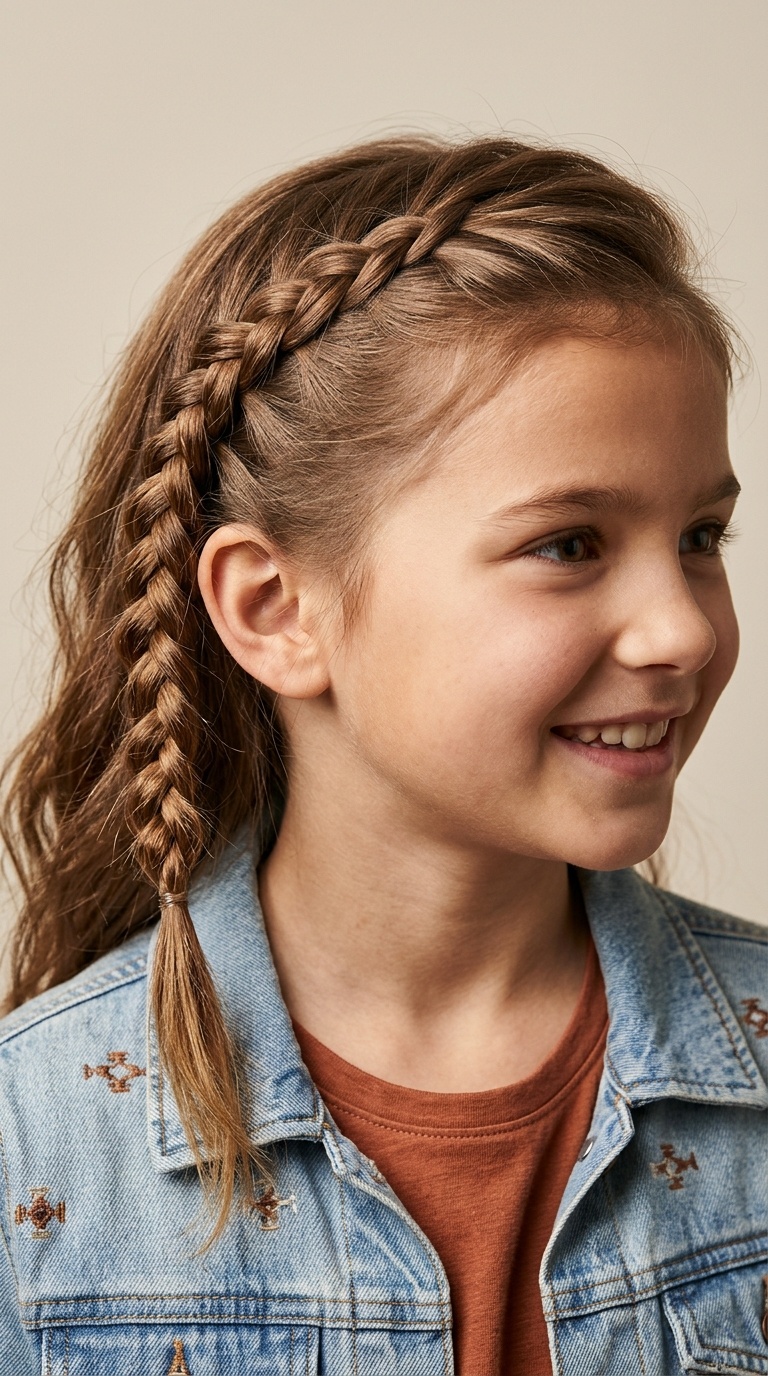
The snake braid is a unique, wiggly braid that serves as a decorative accent. It can be incorporated into a low ponytail or a side braid for extra flair.
It’s a conversation starter that doesn’t add any bulk to the hairstyle. It keeps the hair “fun” while still respecting the functional requirements of wearing a Western hat.
To achieve the snake effect, braid a standard three-strand braid, then hold one strand and push the other two up. It creates a textured look that stays flat against the head.
How do I keep a Western hat from falling off?
The best way to keep a hat secure is to choose a hairstyle that is flat against the scalp. Low ponytails or braids at the nape of the neck allow the hat’s sweatband to make full contact with the head. If the hair is too bulky, the hat will sit too high and catch the wind.
More Amazing Ideas



Are low hairstyles better than high ones for riding?
Yes, low hairstyles are essential for riding with a Western hat. A high bun or ponytail will physically block the crown of the hat, making it impossible to wear correctly. For safety and style, always keep the hair gathered at or below the “occipital bone” at the back of the head.
What hair products help cowgirl styles last?
A good quality pomade or styling wax is excellent for taming flyaways at the hairline. Since Western hats can create friction, using a light-hold hairspray after the hat is on can help keep everything in place. Avoid overly greasy products that might stain the felt of an expensive hat.
Can these styles be done on short hair?
Most of these styles, especially the low twin braids and the “hidden elastic” method, work well for shorter hair. For very short hair, focus on small side braids or “pigtails” that gather the hair behind the ears. This keeps the hair out of the face even if it isn’t long enough for a single ponytail.
How do I prevent “hat hair” after a long ride?
To minimize “hat hair,” ensure the hair is completely dry before putting the hat on. Damp hair will “set” in the shape of the hat’s sweatband. Using a silk scrunchie for low ponytails can also help prevent the harsh crease that plastic elastics sometimes leave behind.
Is it better to style hair wet or dry for hats?
It is generally better to style hair dry or very slightly damp with product. Wet hair is heavy and can stretch, leading to the hairstyle loosening as it dries throughout the day. Dry styling also protects the inner liner of the Western hat from moisture damage and sweat stains.