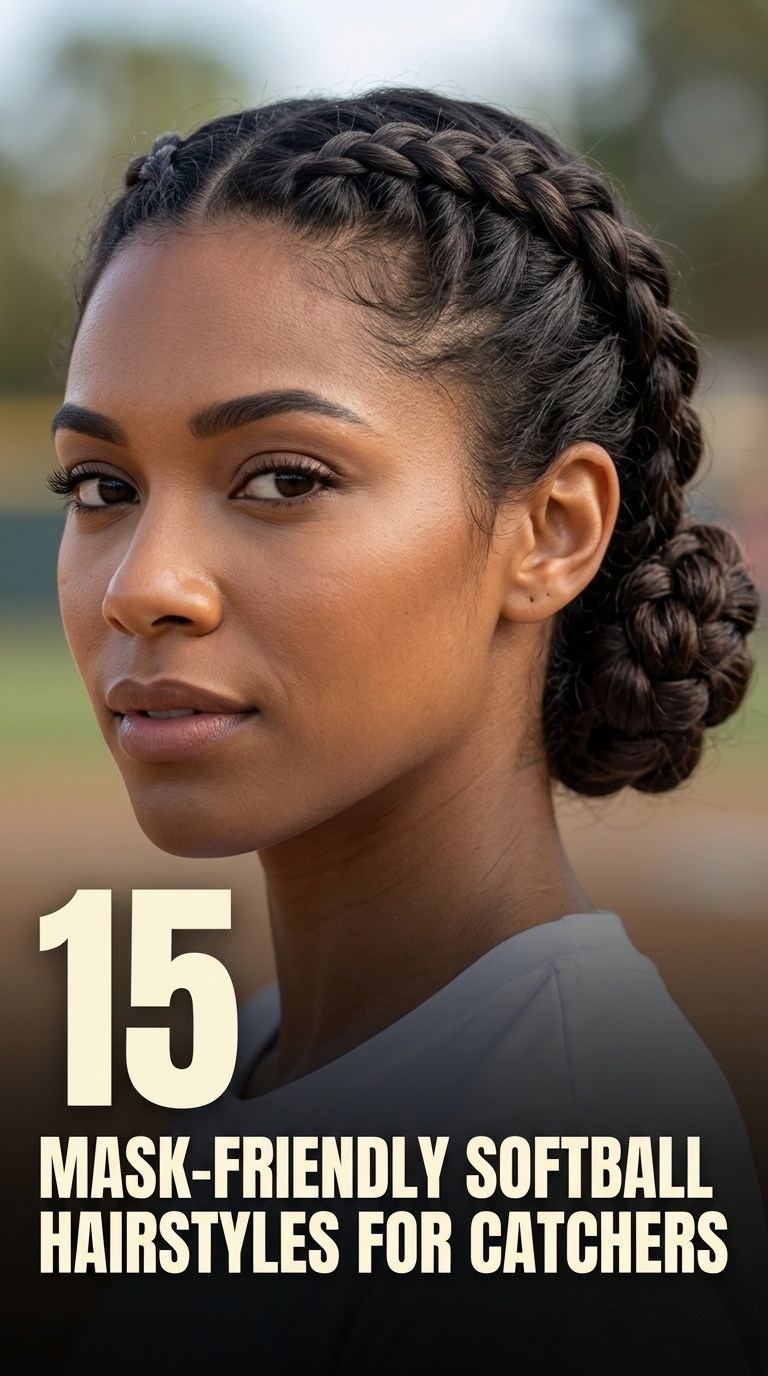
Being a catcher is arguably the most physically demanding position on the diamond. You are constantly moving, squatting, and most importantly, removing and replacing your mask.
Standard hairstyles often fail under the pressure of a catcher’s gear. Traditional high ponytails interfere with the back plate, while loose strands get caught in the cage’s padding.
Finding the right balance between security and comfort is essential for peak performance. You need a style that stays flat against the head and remains secure through every inning.
These 15 mask-friendly softball hairstyles for catchers are designed to withstand dirt, sweat, and the constant friction of high-intensity play. Stay focused on the game, not your hair.
1. Low Double Dutch Braids
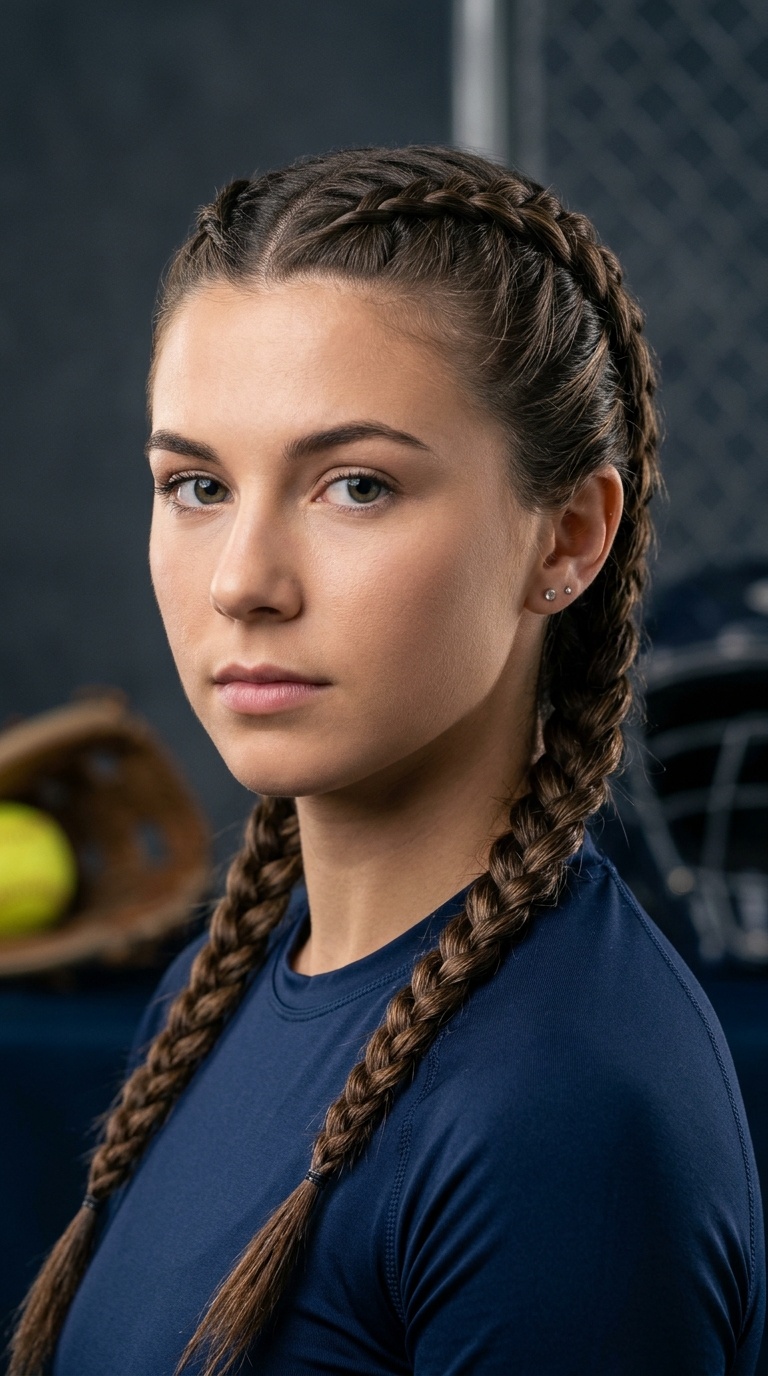
Double Dutch braids are a gold standard for catchers because they keep hair extremely tight to the scalp. By crossing sections under rather than over, you create a sturdy structure.
This style is perfect for masks because the braids sit flat against the head. There are no bumps or knots to interfere with the harness or the protective padding.
To keep this style through a double-header, use a light-hold gel while braiding. This prevents “fuzzing” when you pull your mask off quickly after a pop-fly or play at home.
2. The Low Bubble Braid
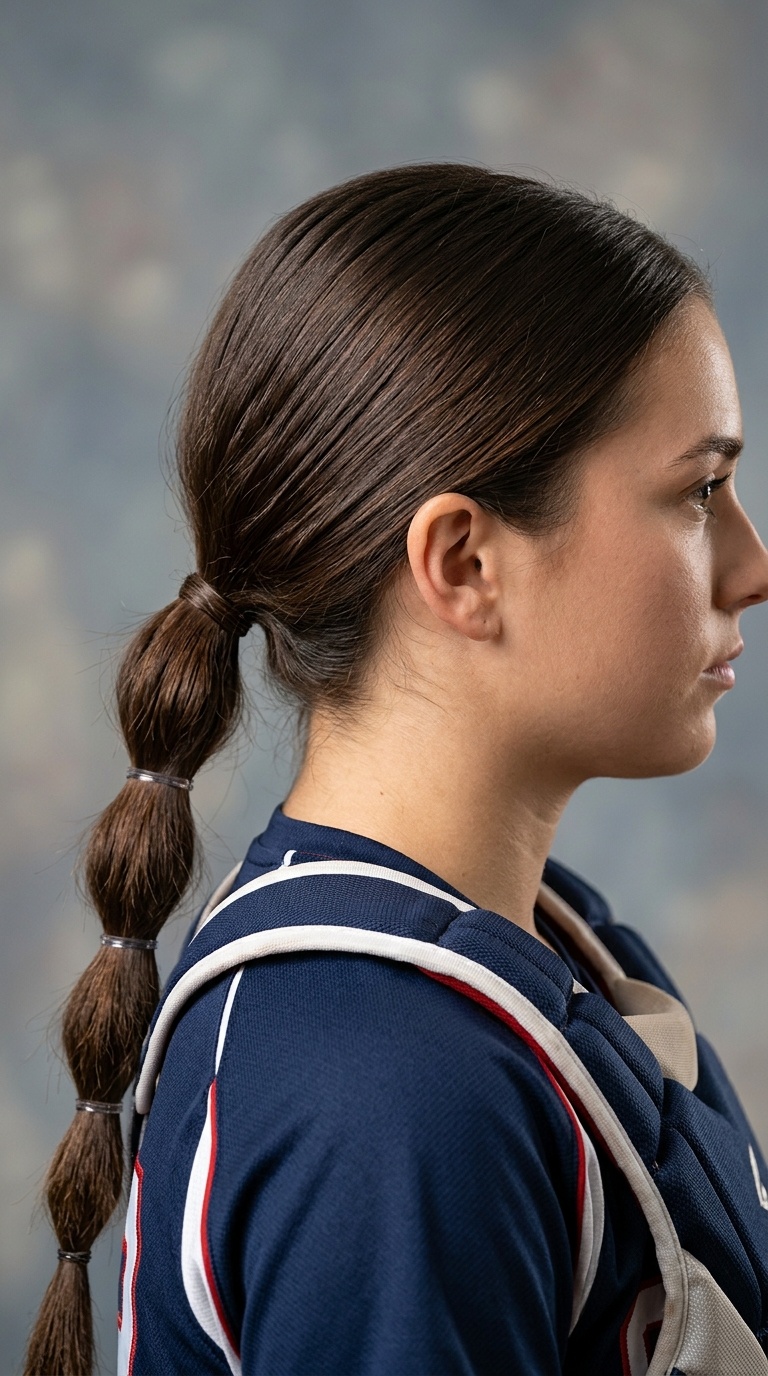
The bubble braid is an excellent alternative for those who find traditional braiding difficult. It involves creating a low ponytail and adding elastics every two inches down the length.
Because the hair is secured at multiple points, it is much less likely to snag on the mask straps. It provides a sleek, aerodynamic profile that sits comfortably below the mask’s bottom rim.
More Amazing Ideas





For maximum durability, use “no-snag” plastic elastics that match your hair color. This ensures that even if one section gets tugged by the gear, the rest of the style stays intact.
3. Single Low French Braid
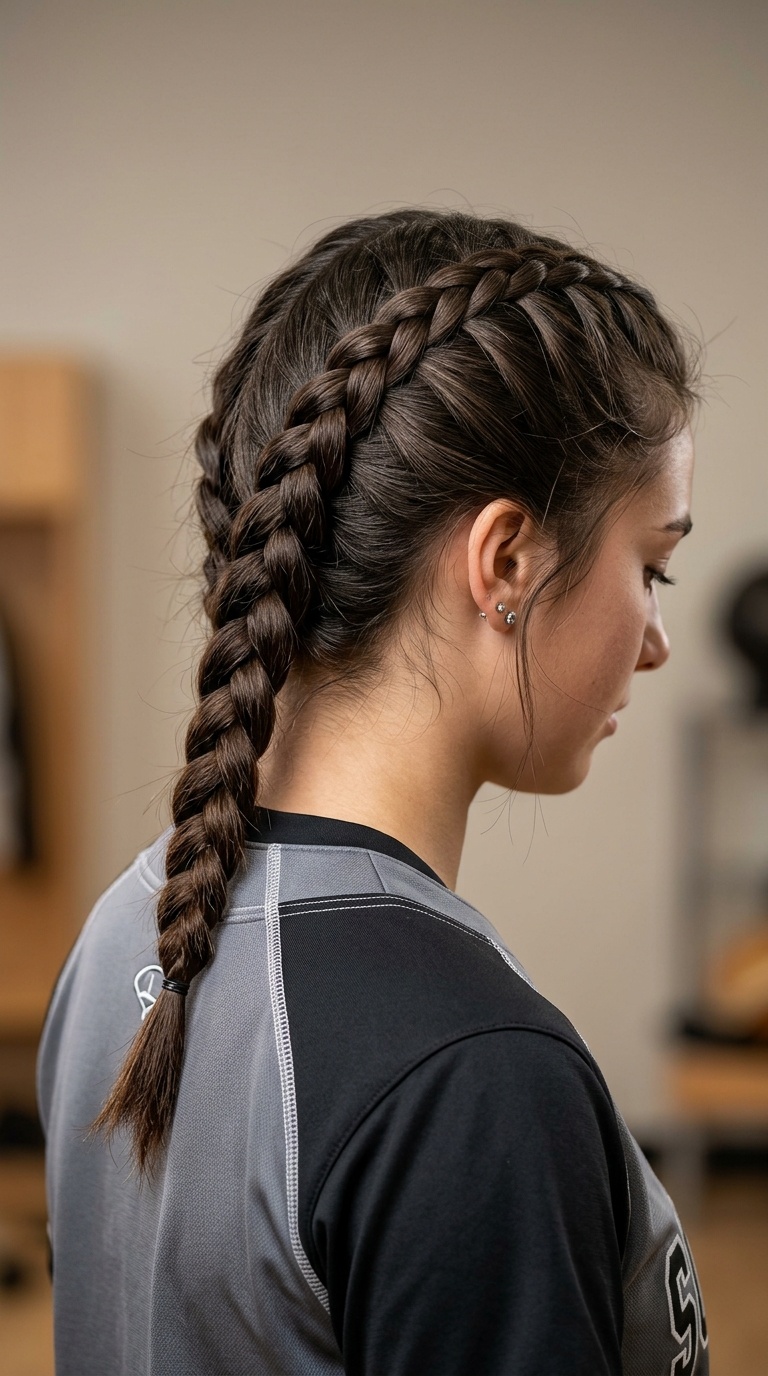
A single French braid starting from the forehead and ending at the nape is a classic choice. It gathers all flyaways into one central, controlled column of hair.
This style is mask-friendly because the tension is distributed evenly across the scalp. It eliminates the “bulk” that often occurs with buns or high-set styles, allowing the mask to sit flush.
If you have layers that tend to pop out, use a small amount of pomade on the side sections. This keeps the edges clean and prevents hair from blocking your peripheral vision.
4. Low Fishtail Braid
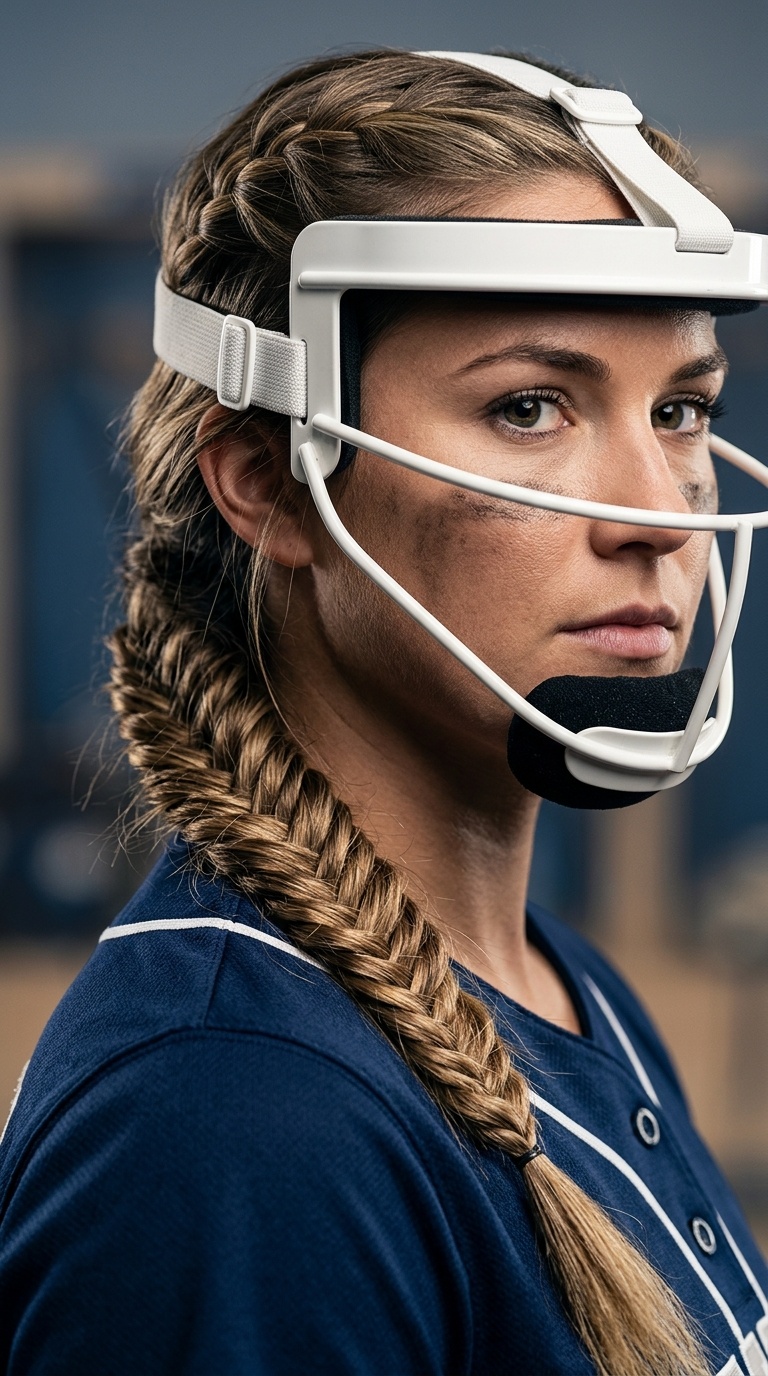
The fishtail braid offers a much tighter weave than a standard three-strand braid. This tightness is beneficial for catchers who deal with wind or high-speed movement behind the plate.
The flat nature of the fishtail ensures that the back of the mask harness doesn’t shift during play. It keeps the weight of the hair centered and low, preventing neck fatigue.
While it takes a bit longer to execute, the longevity is superior. It tends to look better as the day goes on, even after multiple mask transitions.
5. Flat Twist Low Bun
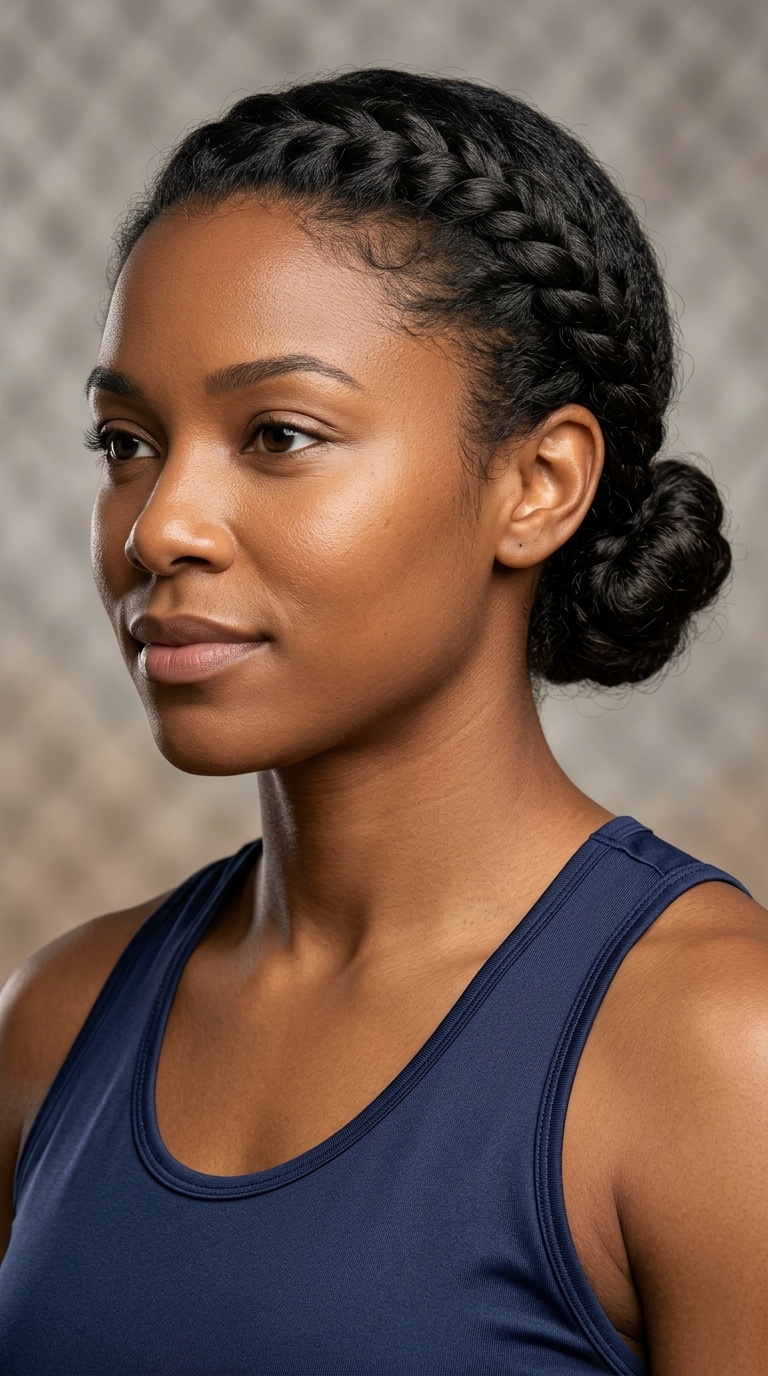
Flat twists are similar to cornrows but involve twisting two sections of hair instead of three. This creates a very low-profile look that hugs the head closely.
More Amazing Ideas




By securing the ends in a small, flat bun at the very base of the neck, you clear the way for the mask straps. It ensures there is zero interference with the helmet’s protective shell.
Use several flat bobby pins to secure the bun rather than a bulky scrunchie. This keeps the back of the head as flat as possible for the best mask fit.
6. Cornrows into a Low Ponytail
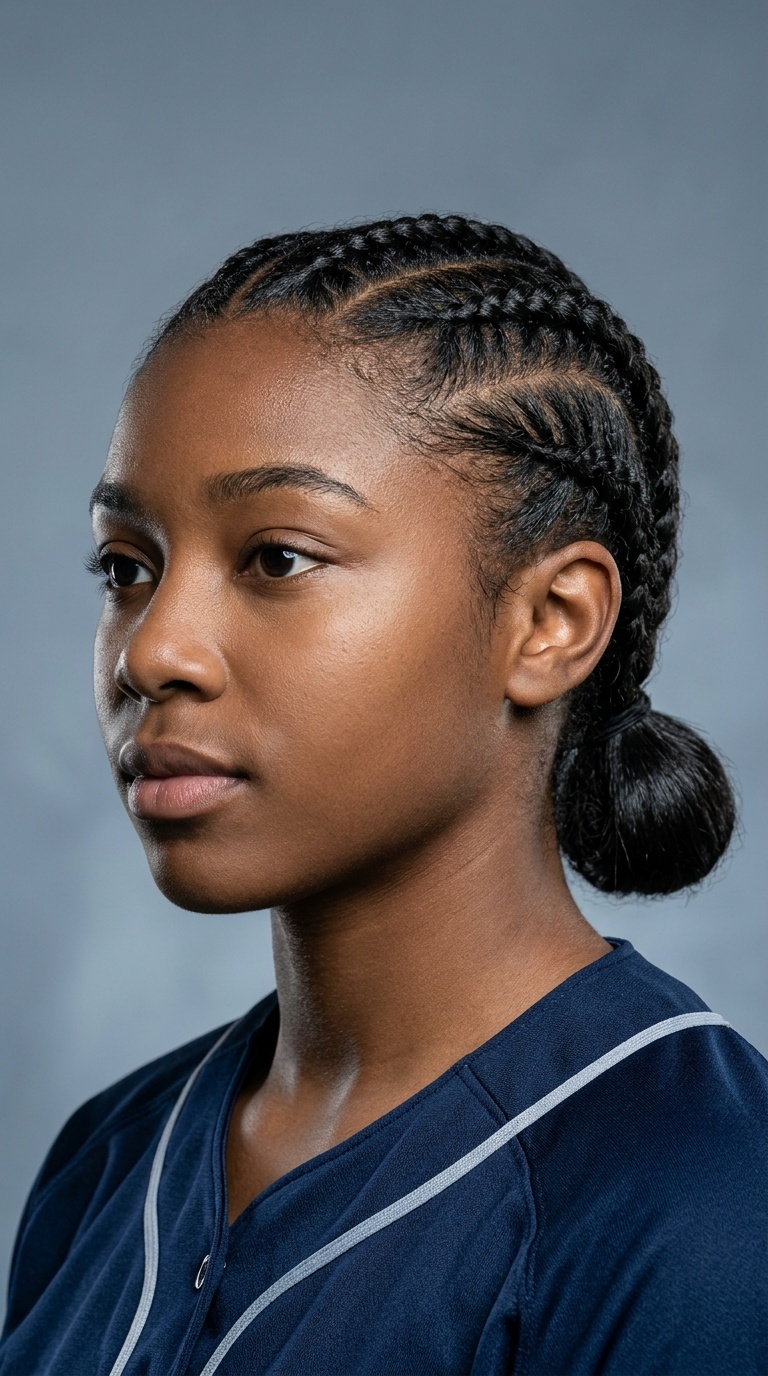
Cornrows provide the ultimate security for athletes with a lot of hair volume. By braiding close to the scalp, you manage the bulk and keep everything streamlined.
Ending the cornrows in a low ponytail at the nape allows for natural movement. This prevents the hair from being pinched between the mask’s back plate and the catcher’s neck.
This is a great multi-day style for long tournaments. You can sleep in them and head straight to the field without having to re-style your hair between games.
7. Low Infinity Braid
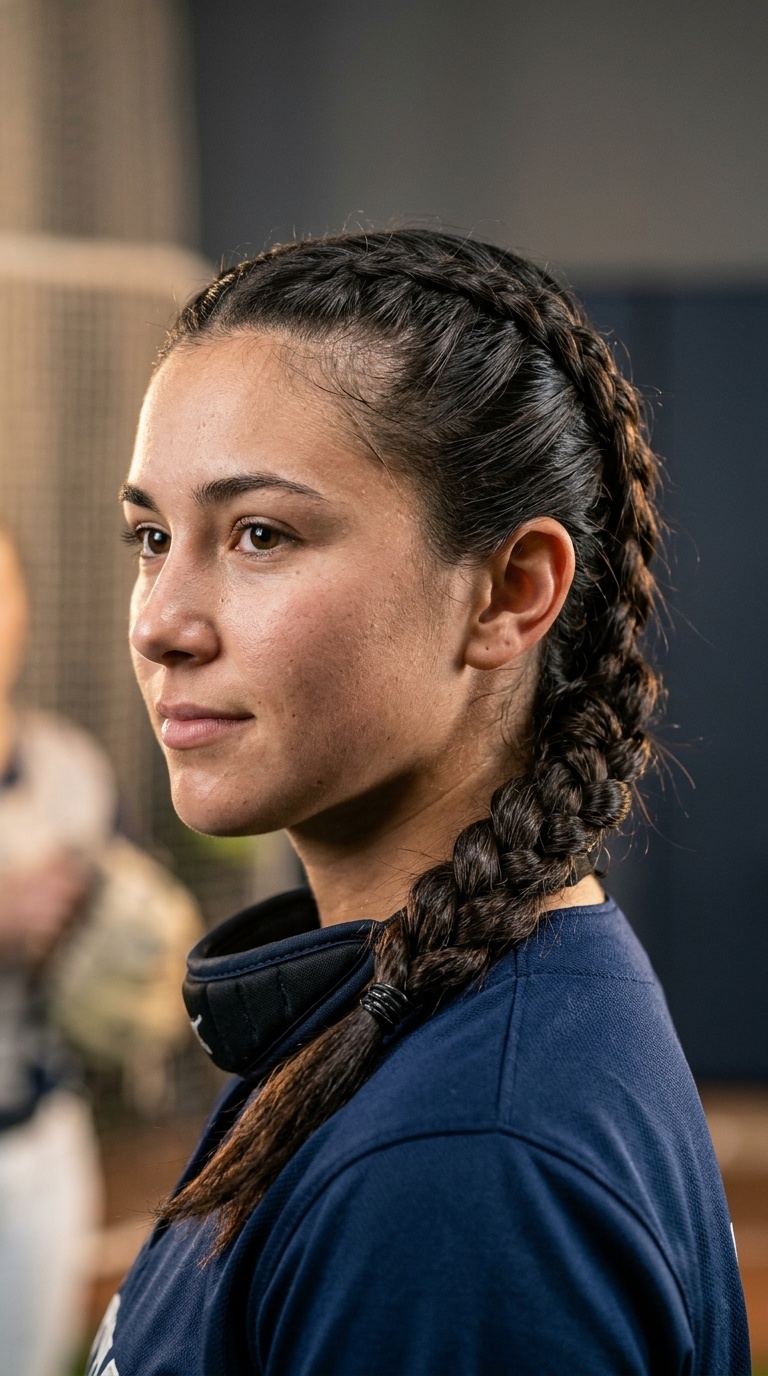
The infinity braid is a technical style that results in a very flat, woven appearance. It distributes the hair horizontally rather than in a round, thick rope.
For a catcher, this flatness is a major advantage. It minimizes the gap between the head and the mask, ensuring the safety gear fits exactly as the manufacturer intended.
Finish the end with a sturdy elastic and a bit of hairspray. The intricate weave prevents individual strands from escaping and getting caught in the mask’s metal cage.
8. Triple Low French Braid
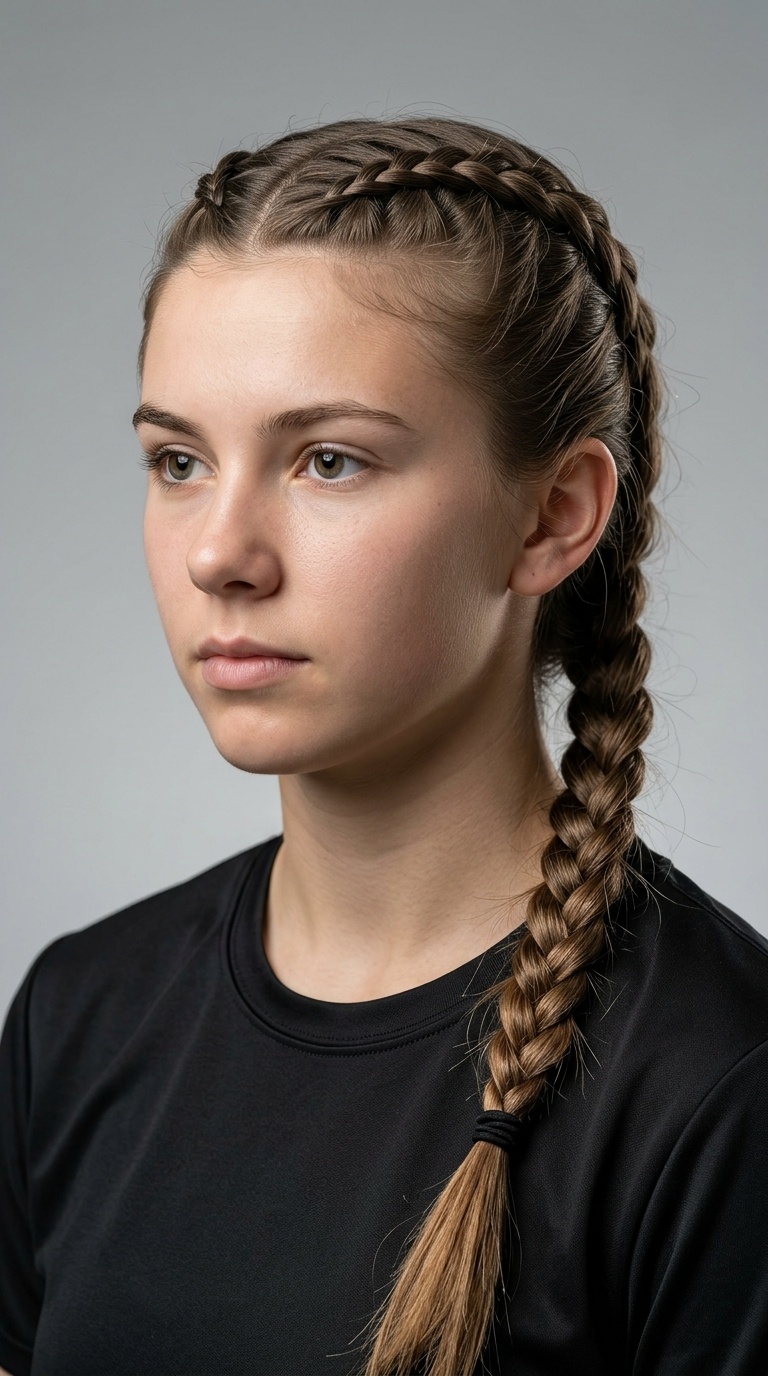
By dividing the hair into three vertical sections, you can create three smaller French braids. This distributes the hair’s weight more evenly than a single large braid.
More Amazing Ideas





This style is particularly effective for players with very thick hair. It prevents a large “bump” at the back of the head that could push the mask forward during a play.
Keep the braids close together as they reach the nape of the neck. Secure them all with one single band to create a unified, low-profile tail that hangs clear of gear.
9. Low Pull-Through Braid
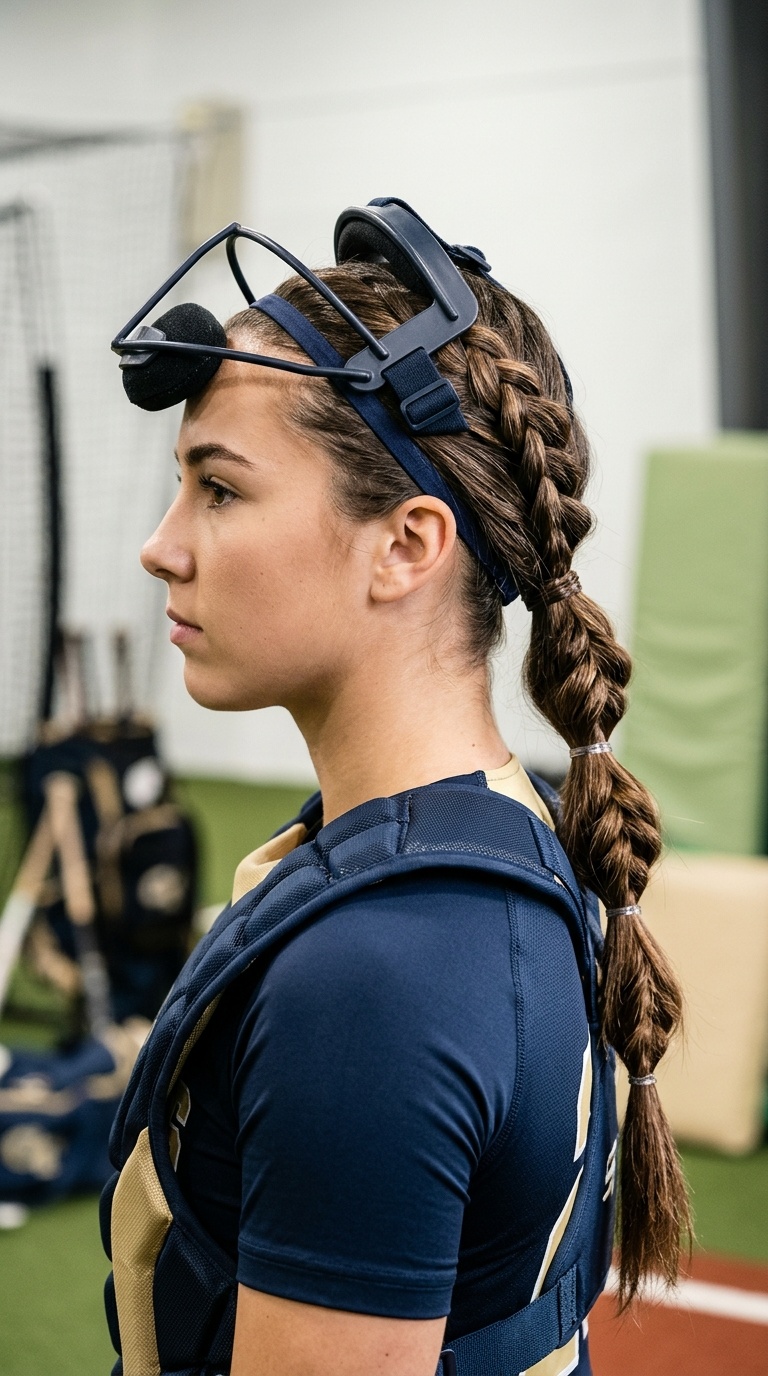
A pull-through braid is created by linking small ponytails together. It offers the visual appeal of a braid but with the extreme security of multiple elastics.
This style is nearly impossible to ruin with a mask. Even if the mask’s velcro or straps rub against the hair, the internal elastics keep the structure perfectly in place.
Use clear elastics for a seamless look. This style also adds a bit of “cushion” at the back of the neck, which some catchers find more comfortable against the lower strap.
10. Slicked Low Knot
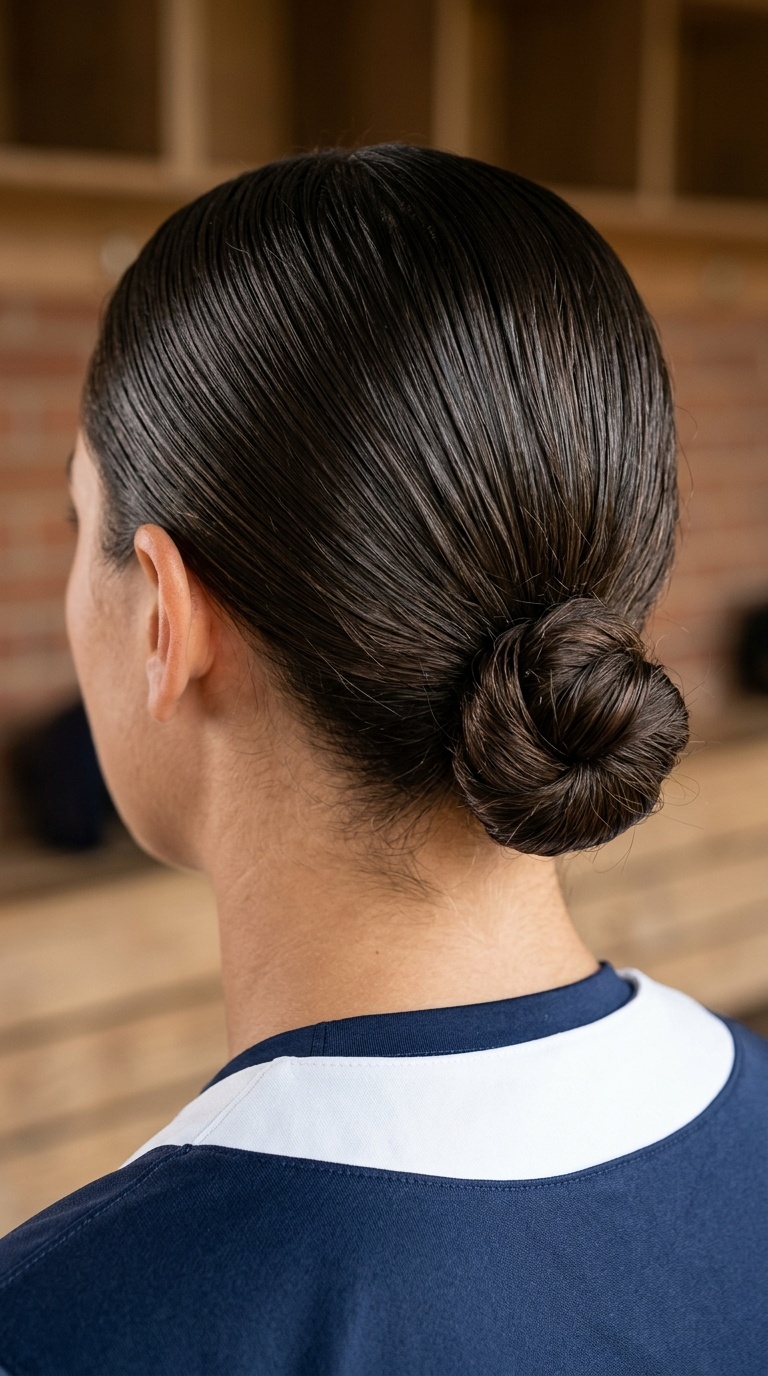
For those who prefer a bun, the slicked low knot is the only way to go. The key is placing the knot below the occipital bone so it sits underneath the mask harness.
Use a heavy-duty hair gel to slick back all flyaways and “baby hairs.” This prevents the common problem of hair getting pulled forward into the eyes when the mask is removed.
Secure the knot with a hair net or thin elastics to keep it as small as possible. A bulky bun will push the mask upward, potentially exposing the chin or throat.
More Amazing Ideas





11. Reverse French Braid into Low Pony
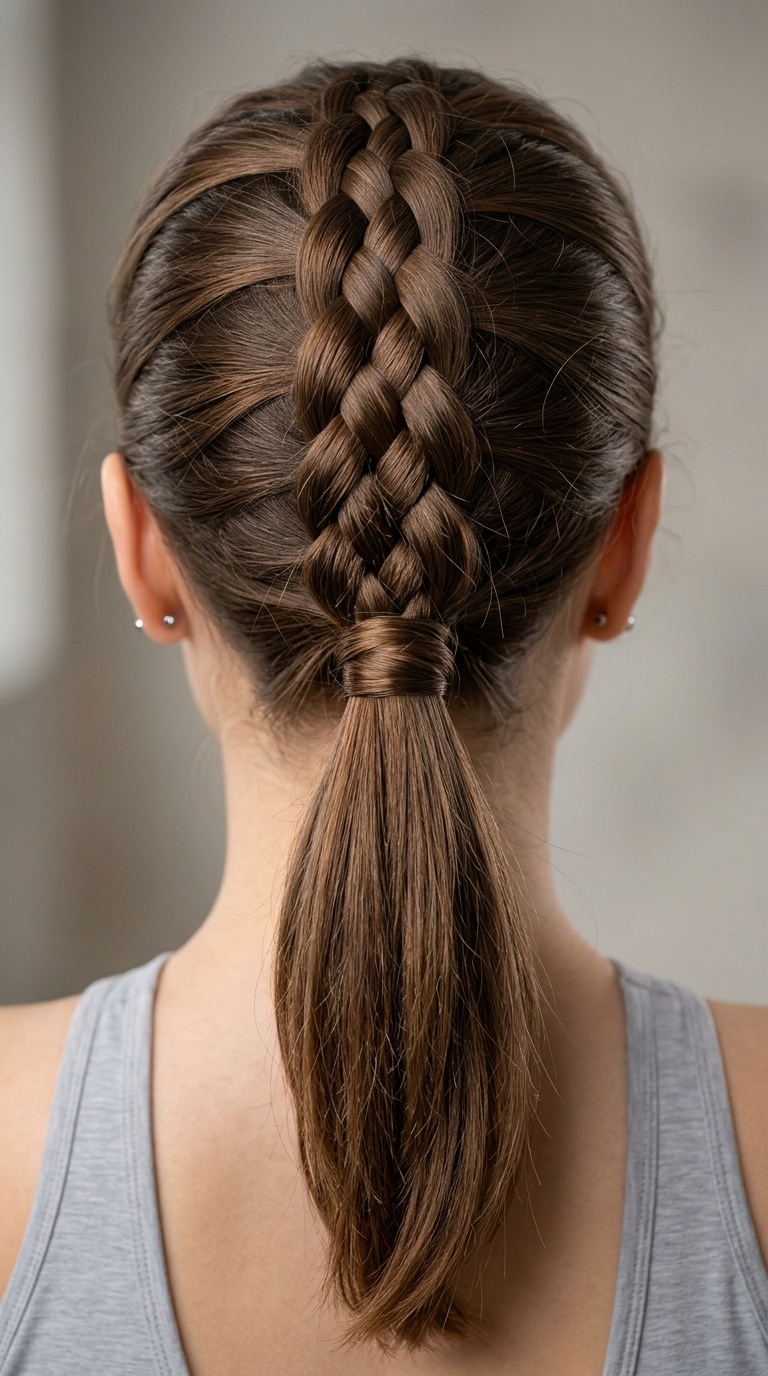
A reverse French braid starts at the nape of the neck and works upward. However, for catchers, we stop at the mid-point to create a secure, low-sitting anchor.
This style is unique because it secures the hair that usually falls out of a ponytail first. It keeps the “kitchen” (the hair at the base of the neck) neat and tidy.
This is especially helpful for catchers who look up frequently to track pop-ups. It ensures no loose hair tickles the neck or distracts from the ball.
12. Low Side Braid
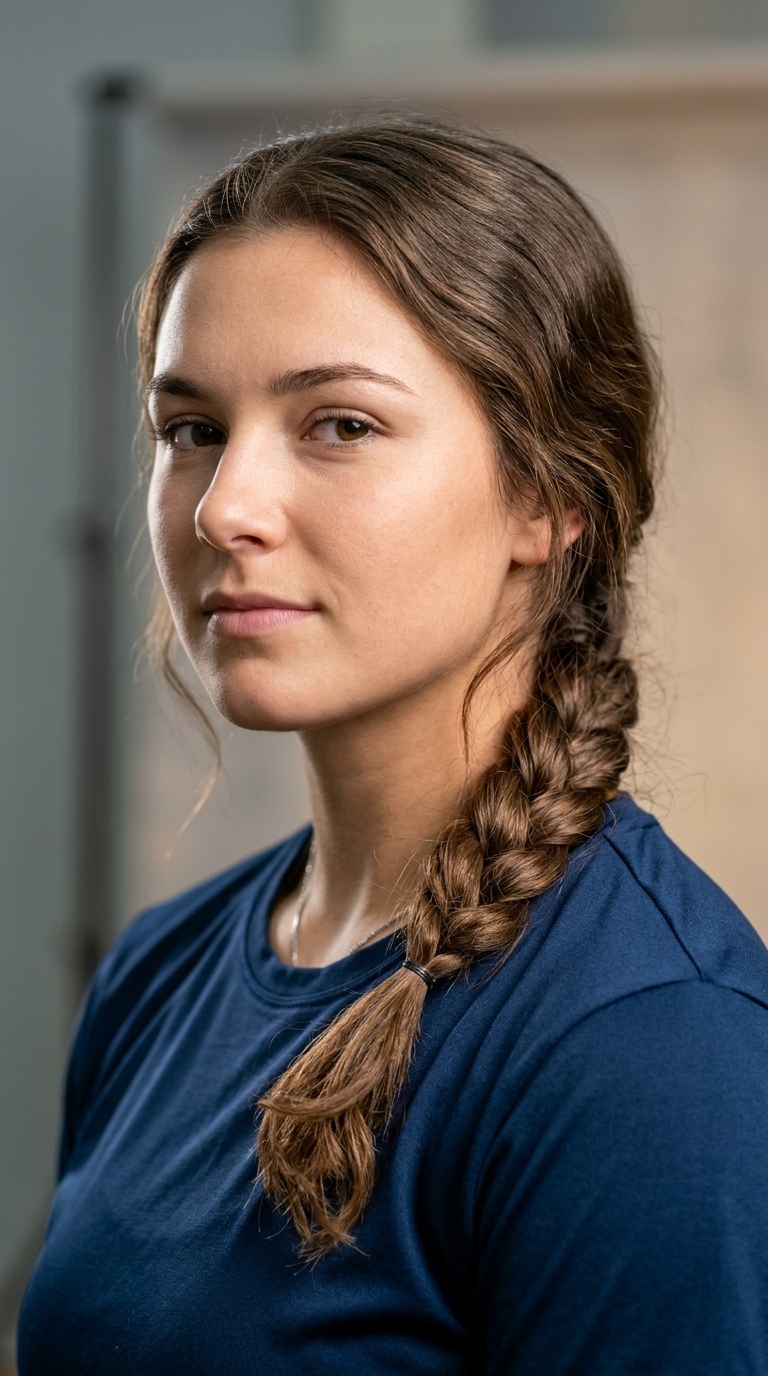
A side braid is an excellent choice for catchers because it moves the bulk of the hair away from the back plate entirely. It rests over the shoulder instead.
By keeping the hair to the side, you ensure the back of the mask sits perfectly flush against the skull. This provides the most stable and safe fit for the helmet.
Be sure to start the braid tightly behind the ear. This prevents the hair from sliding back toward the center and getting caught in the mask’s side hinges.
13. 4-Strand Low Braid
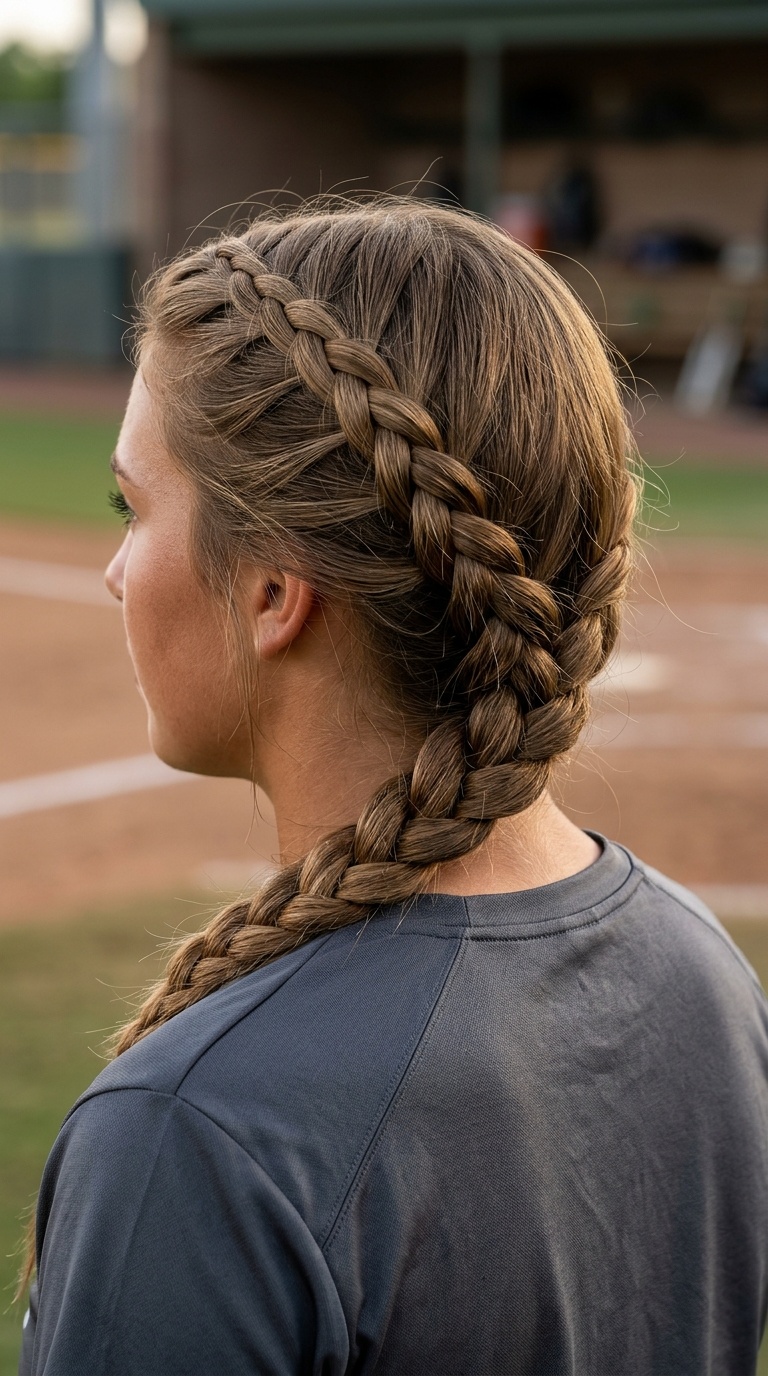
The 4-strand braid is wider and flatter than a traditional 3-strand braid. Its square-like structure lies very comfortably against the back of the catcher’s neck.
Because it is wider, it is less likely to roll or shift inside the mask’s harness. It stays centered and provides a consistent feel throughout the entire game.
This style works best on medium to long hair. It provides a professional, polished look that stands up to the rigors of dirt and constant movement.
More Amazing Ideas





14. Braided Low Piggy Buns
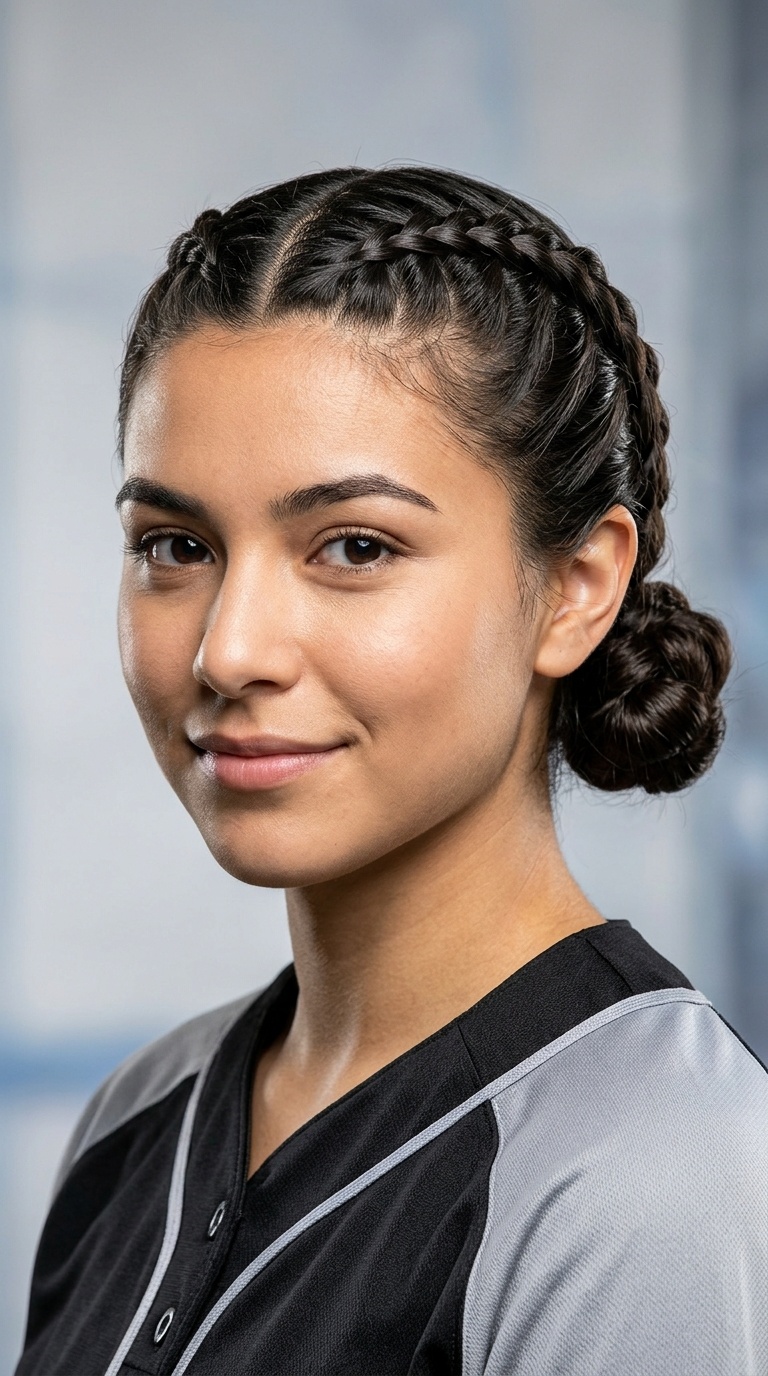
If you have very long hair, two small braided buns at the base of the neck can be very effective. Place them wide enough that the central mask strap sits between them.
This “channeling” technique allows the mask to stay centered and secure. The braids ensure that the buns don’t unravel, even during a sliding play or a collision.
Use spin pins or flat bobby pins to keep the buns close to the head. The goal is to avoid any “protrusion” that could be snagged by the mask’s elastic straps.
15. Low Rope Twist
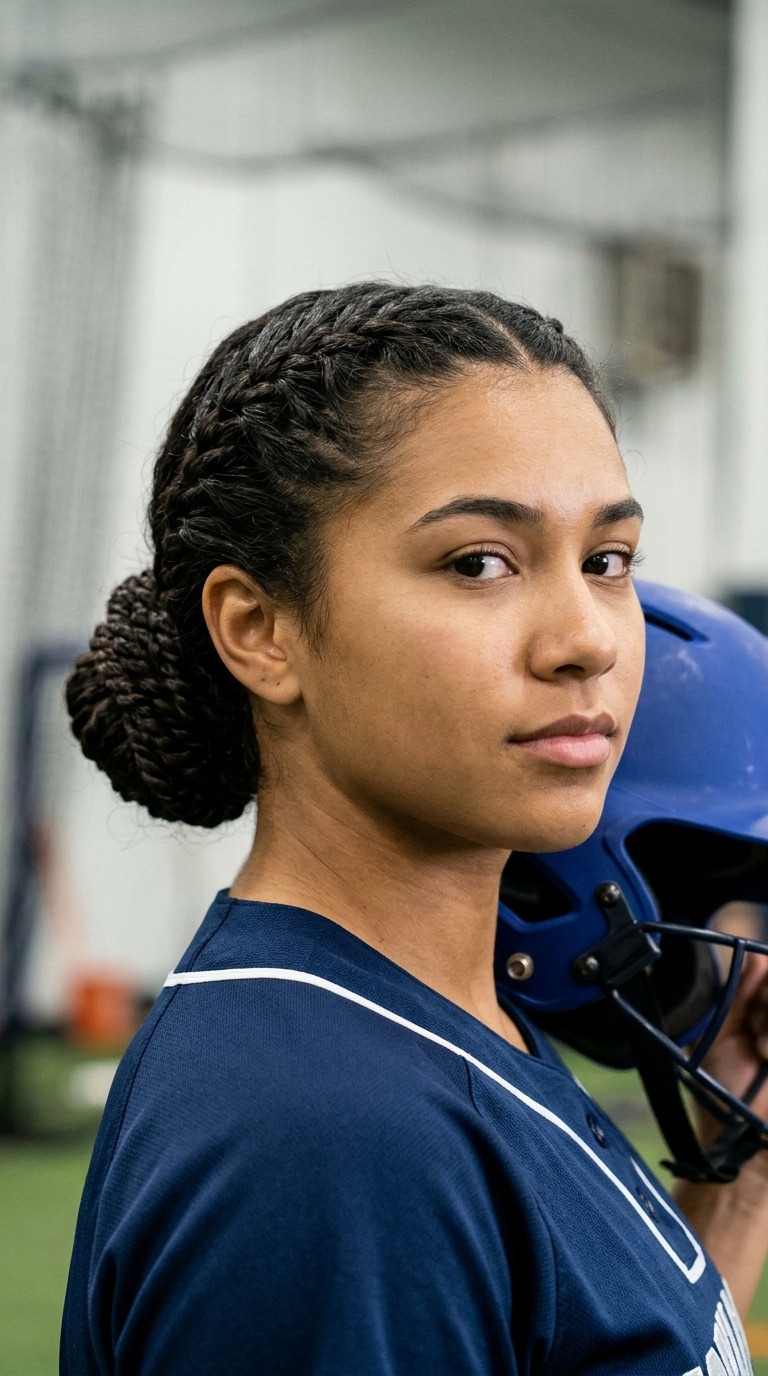
The rope twist is a two-strand style that is much faster to do than a braid. When done tightly, it creates a very dense and durable column of hair.
For catchers, the rope twist is great because it doesn’t have the “loops” of a traditional braid that can catch on gear. It is a smooth, twisted surface that resists snagging.
Apply a small amount of hair oil to the strands before twisting. This keeps the hair hydrated and prevents the friction of the mask from causing breakage or split ends.
How do I prevent my hair from snagging on the mask?
The best way to prevent snagging is to ensure that no loose loops of hair are exposed. Using tighter braiding techniques like Dutch or French braids keeps the hair strands secured and flat against the scalp, minimizing the surface area that can get caught in velcro or buckles.
More Amazing Ideas




Are headbands recommended for catchers?
Yes, but only if they are the non-slip, thin variety. A thick, padded headband can change the way your mask fits, which could be a safety hazard. Choose a thin silicone-grip headband to keep flyaways back without interfering with the mask’s internal padding.
Which hair ties stay in place during a long game?
Long-lasting hold is best achieved with “no-snag” polybands or heavy-duty athletic elastics. Avoid using soft, fabric scrunchies for the main structural hold, as they tend to slide down when wet with sweat. Use the fabric ties only as a secondary decorative element if desired.
How can I manage short hair under a mask?
For players with short hair, “flat twists” or small cornrows along the hairline are the most effective. If the hair is too short to braid, use a generous amount of strong-hold hair gel and secure the sections with flat snap-clips that lie flush against the head.
Should I apply product before braiding?
Applying a light gel, mousse, or pomade to damp hair before braiding is highly recommended. This “sets” the style and creates a barrier against sweat. It also helps the braid stay tight and reduces the number of flyaways that appear after you’ve taken your mask off a dozen times.
Why is a low style better than a high style?
Most catcher’s masks and helmets have a back plate and a harness system designed to cradle the base of the skull. A high ponytail or bun creates a physical obstruction that pushes the mask forward, limiting your field of vision and potentially compromising the protective capabilities of the gear.