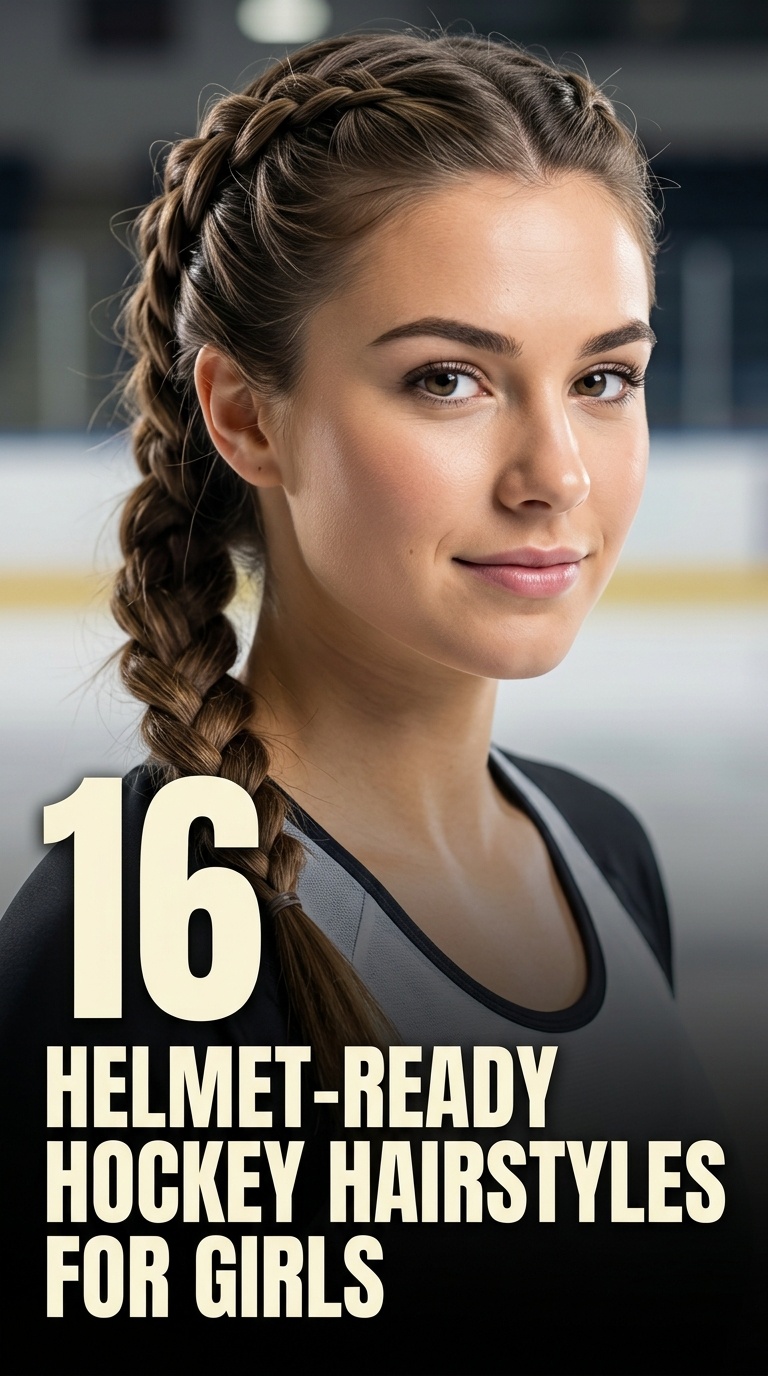
Every female hockey player knows the struggle. You want to look good on the ice but need your hair out of your face.
A loose strand can ruin a breakaway. Finding a style that fits under a heavy helmet is a total game-changer.
We have curated sixteen easy, helmet-ready styles for girls. These looks keep you focused on the goal, not your flyaways.
1. Classic Double Dutch Braids
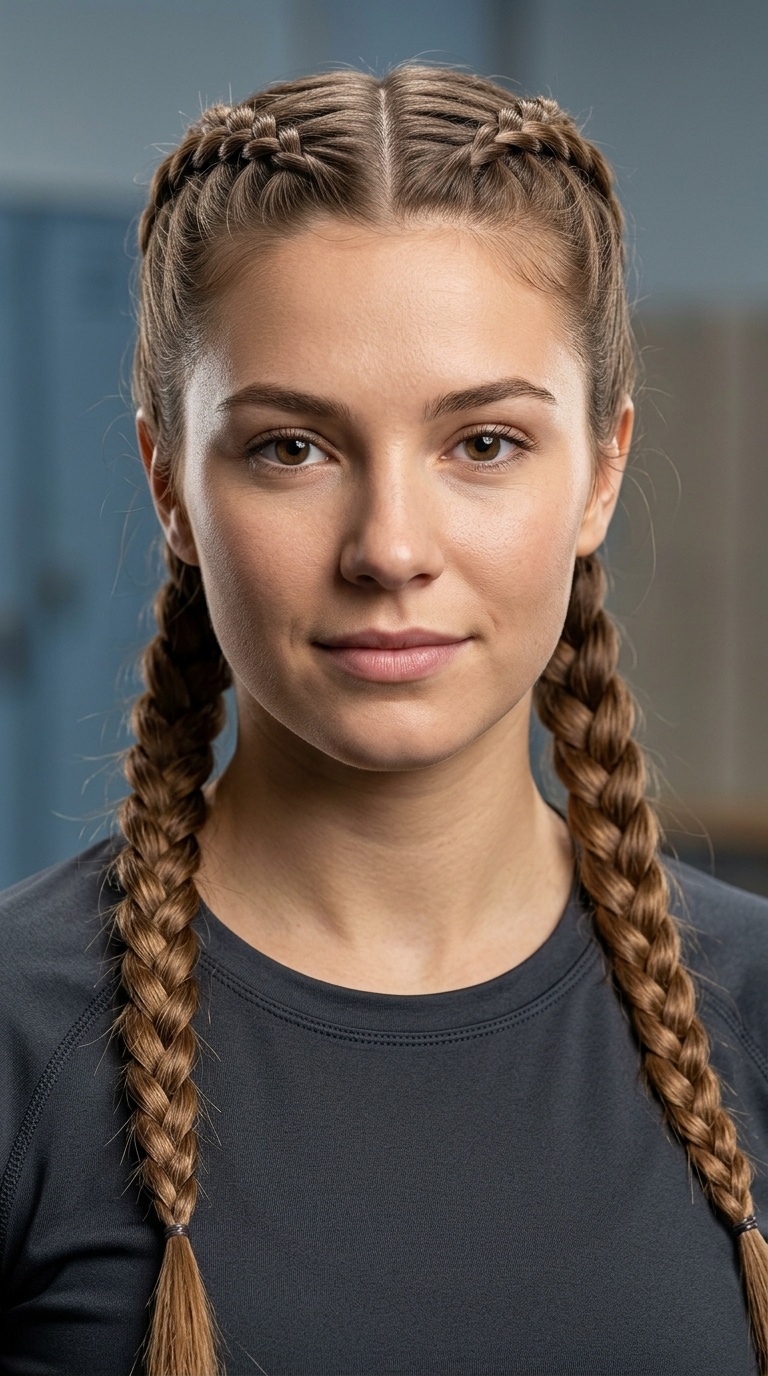
Double Dutch braids are the gold standard for girls on the ice. By weaving the hair under rather than over, you create a secure, raised structure that stays tight.
These braids sit flat against the scalp, which is essential for a snug helmet fit. They distribute the weight of your hair evenly across your head to prevent pressure points.
This style works beautifully for all hair textures, from straight to highly textured curls. It keeps every strand locked in place through three intense periods of play.
2. The Low Bubble Braid
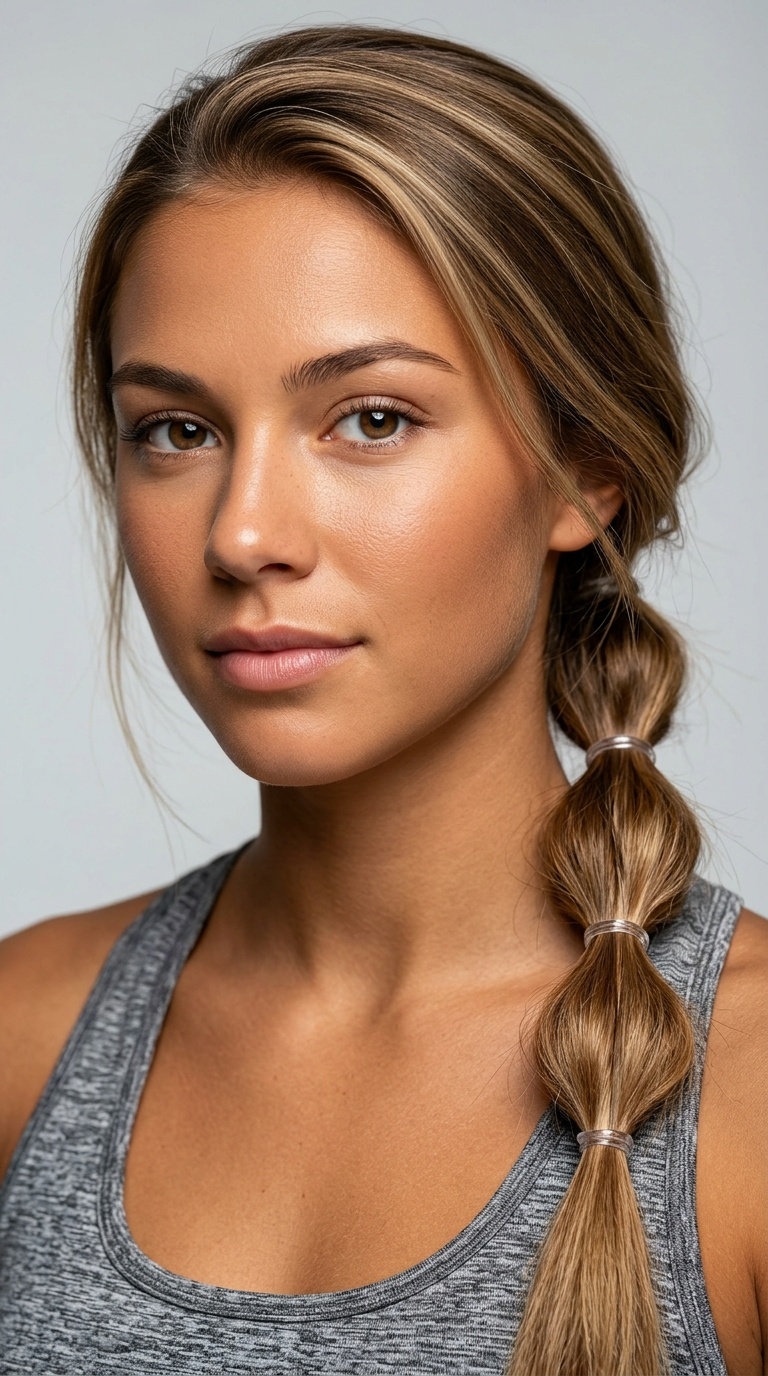
If you find traditional braiding difficult, the bubble braid is your best friend. You simply use small elastics to create “bubbles” down the length of a low ponytail.
This style is perfect for girls with very long hair who need to manage bulk. It prevents the hair from tangling or getting caught in the Velcro of your neck guard.
To keep it helmet-ready, ensure the first elastic starts right at the nape of the neck. This keeps the crown of your head flat so your helmet sits level.
More Amazing Ideas





3. Sleek Low Bun
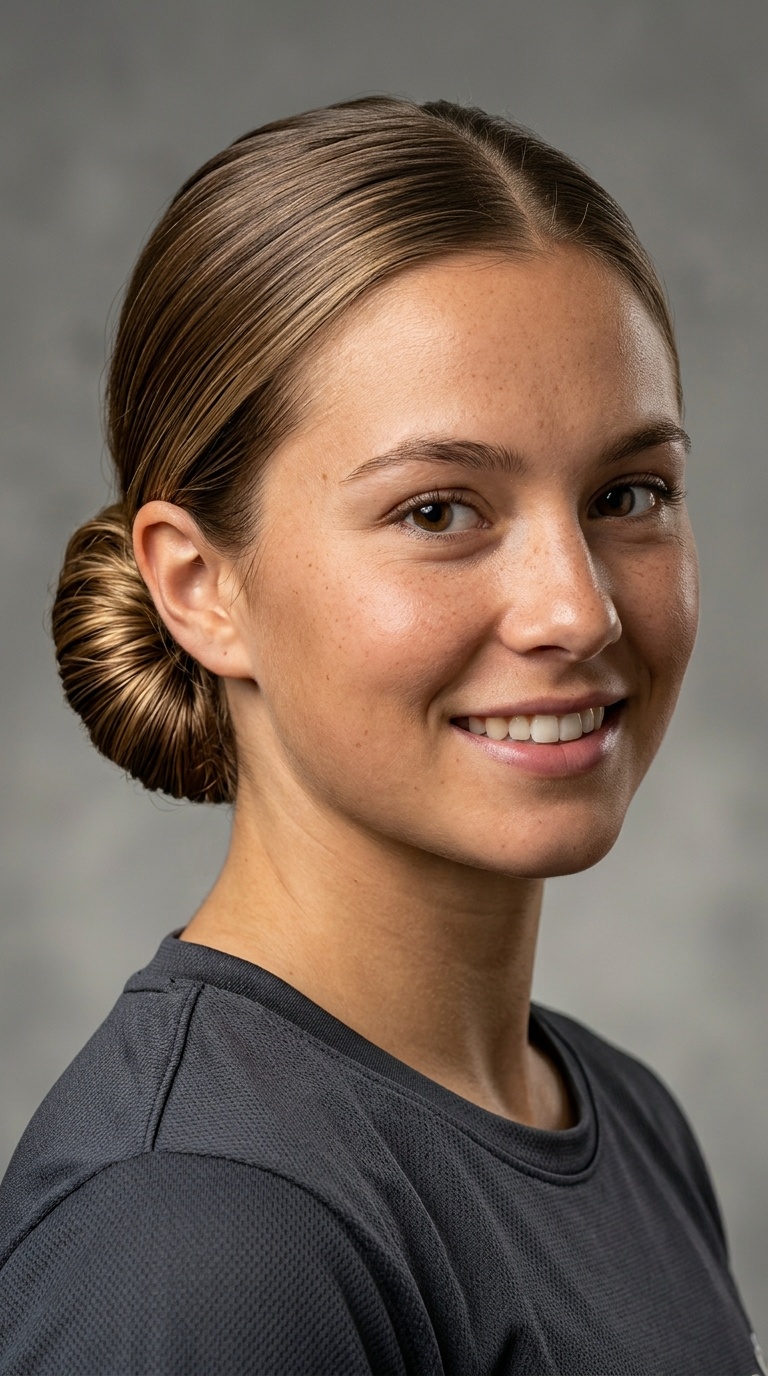
The sleek low bun is a sophisticated choice for players who want zero hair movement. It involves pulling the hair into a tight pony at the base of the skull.
Twist the hair into a flat coil and secure it with a heavy-duty hair tie or a scrunchie. The key is keeping the bun low enough to clear the back of the helmet.
This style is particularly great for girls with medium-length hair. It provides a clean, professional look that stays put even during heavy physical contact along the boards.
4. French Braid into a Ponytail
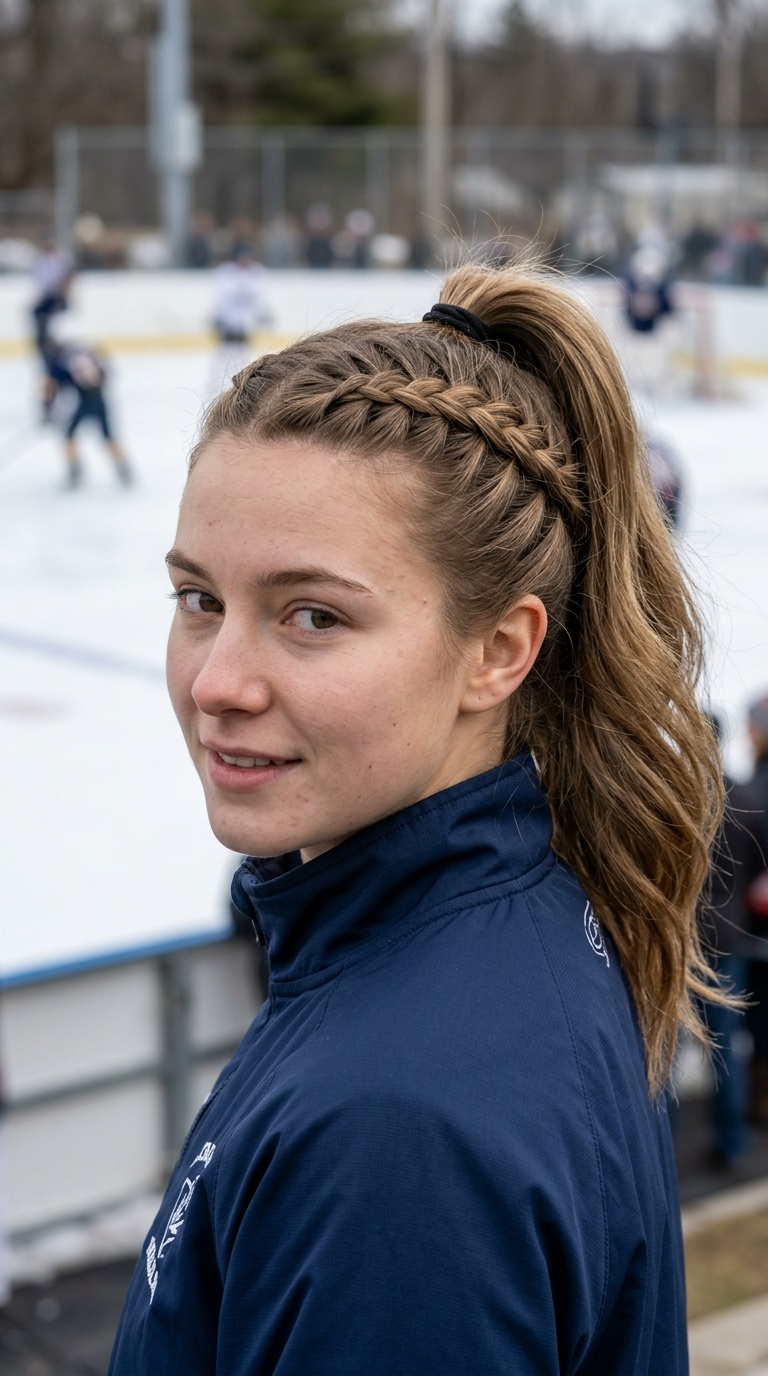
Combining a French braid with a ponytail offers the best of both worlds. The braid keeps short layers and “baby hairs” from falling into your eyes during the game.
Once the braid reaches the nape of your neck, secure it with an elastic and let the rest hang. This allows for a bit of movement while keeping the top secure.
This is an excellent option for girls with thicker hair who find a full braid too bulky. It reduces the mass under the helmet while maintaining a stylish look.
5. Triple Side-Row Braids
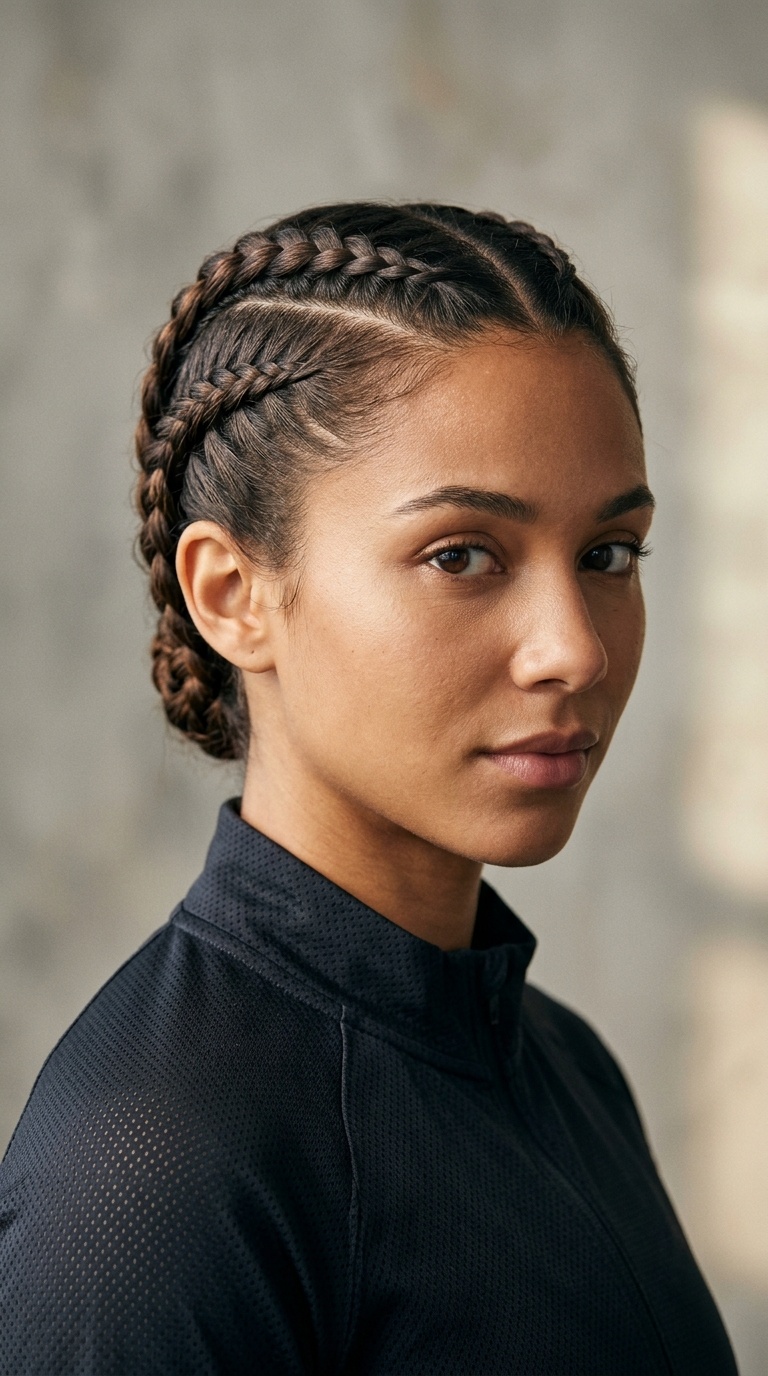
For girls with a lot of side volume, triple side-rows are incredibly effective. You create three small braids along the side of the head that lead into a back pony.
This style is highly inclusive for various ethnicities as it mimics the security of cornrows. It keeps the hair extremely flat against the skull for an aerodynamic fit.
It is a durable choice for weekend tournaments where you might play multiple games. These braids are sturdy enough to sleep in and still look fresh for the next puck drop.
More Amazing Ideas





6. The Fishtail Braid
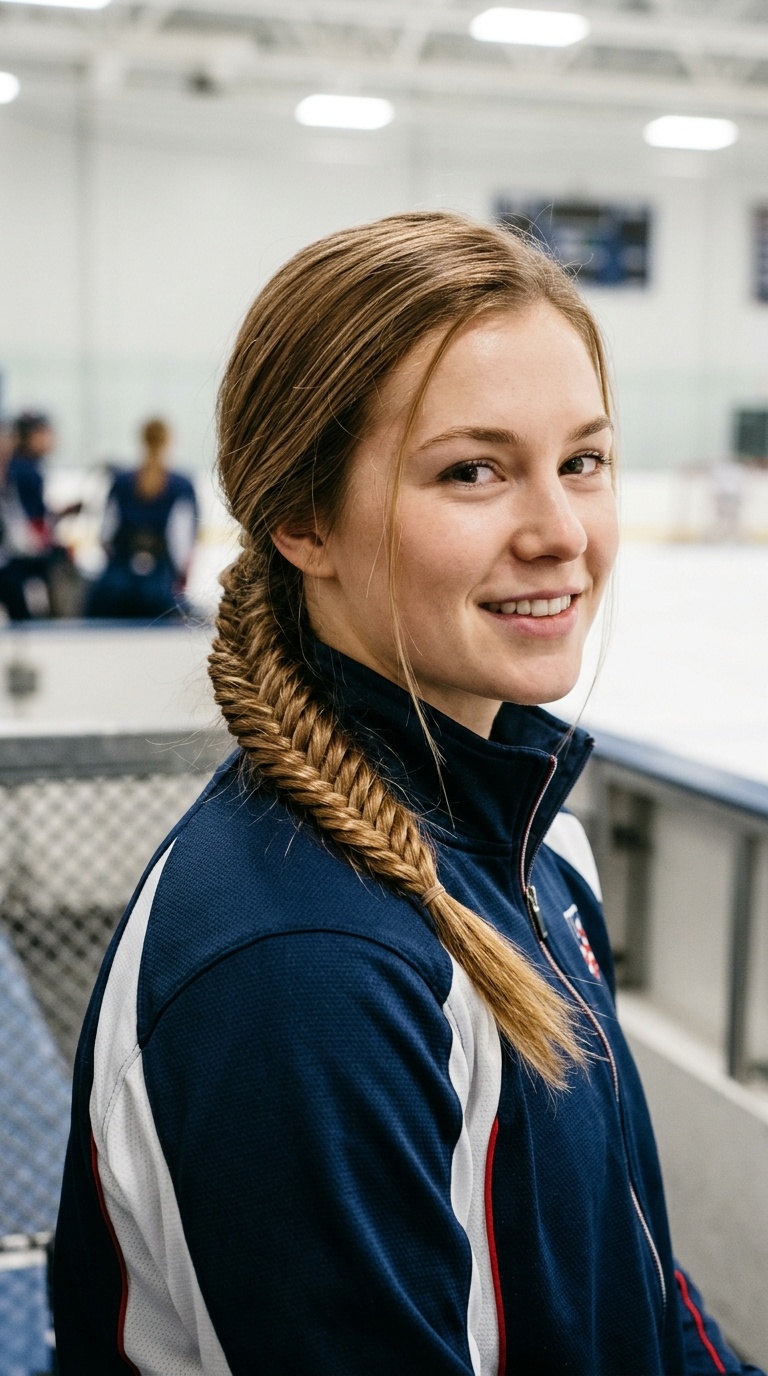
The fishtail braid is a stylish alternative that looks much more complicated than it actually is. It involves weaving two sections of hair together for a textured finish.
While it takes a few more minutes than a standard braid, it is incredibly secure. The tight weave ensures that even shorter layers won’t poke out mid-game.
Fishtails look even better as they get slightly “messy,” making them perfect for sports. They provide a feminine touch to your gear without sacrificing any on-ice performance.
7. The Knotted Low Pigtails
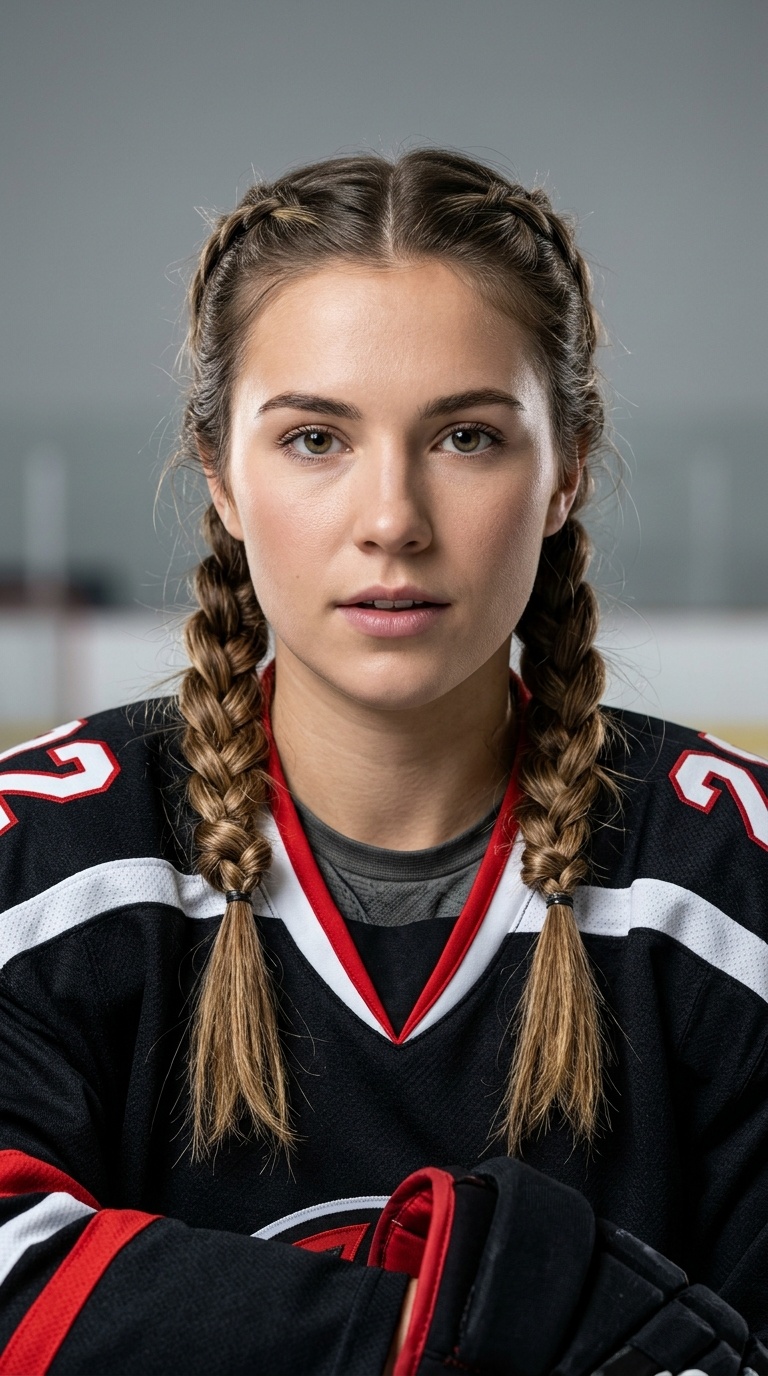
Low pigtails are a classic “hockey girl” look, but adding knots makes them more secure. Simply tie the two sections of hair like shoelaces before securing them with elastics.
This style is perfect for younger girls who want a cute look that still fits under their gear. The pigtails sit on either side of the neck, staying out of the way.
It is one of the fastest styles to achieve in a cold locker room. If you are running late for warm-ups, this is your go-to “easy” hairstyle.
8. The “Pull-Through” Braid
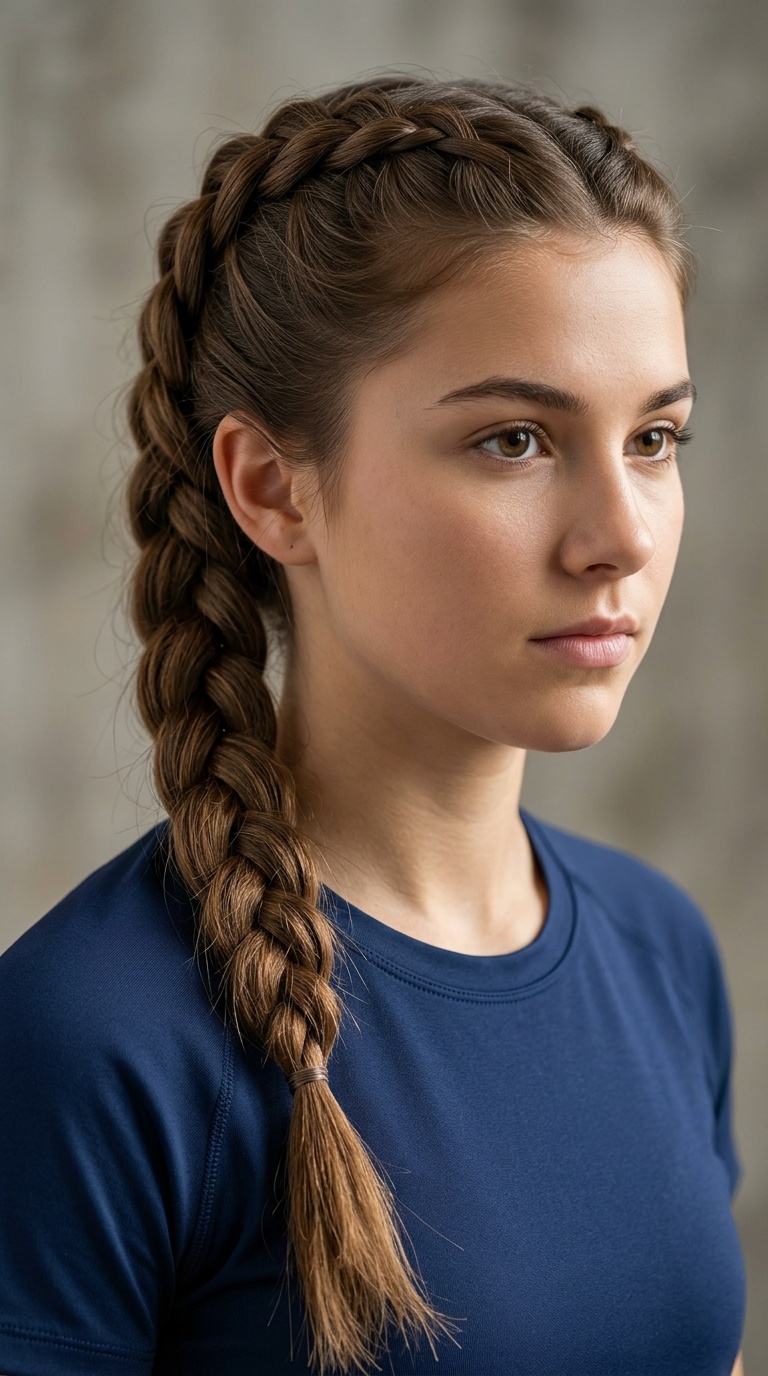
The pull-through braid is a “braid” made entirely of small ponytails looped through each other. It creates a voluminous look without the bulk of a thick traditional braid.
Because it uses multiple elastics, it is virtually impossible for this style to fall out. Even if one section loosens, the rest of the hair remains perfectly intact.
This is a fantastic option for girls with fine hair that tends to slip out of regular braids. It provides the grip needed to stay secure under a heavy, moving helmet.
More Amazing Ideas


9. Flat Twist Crown
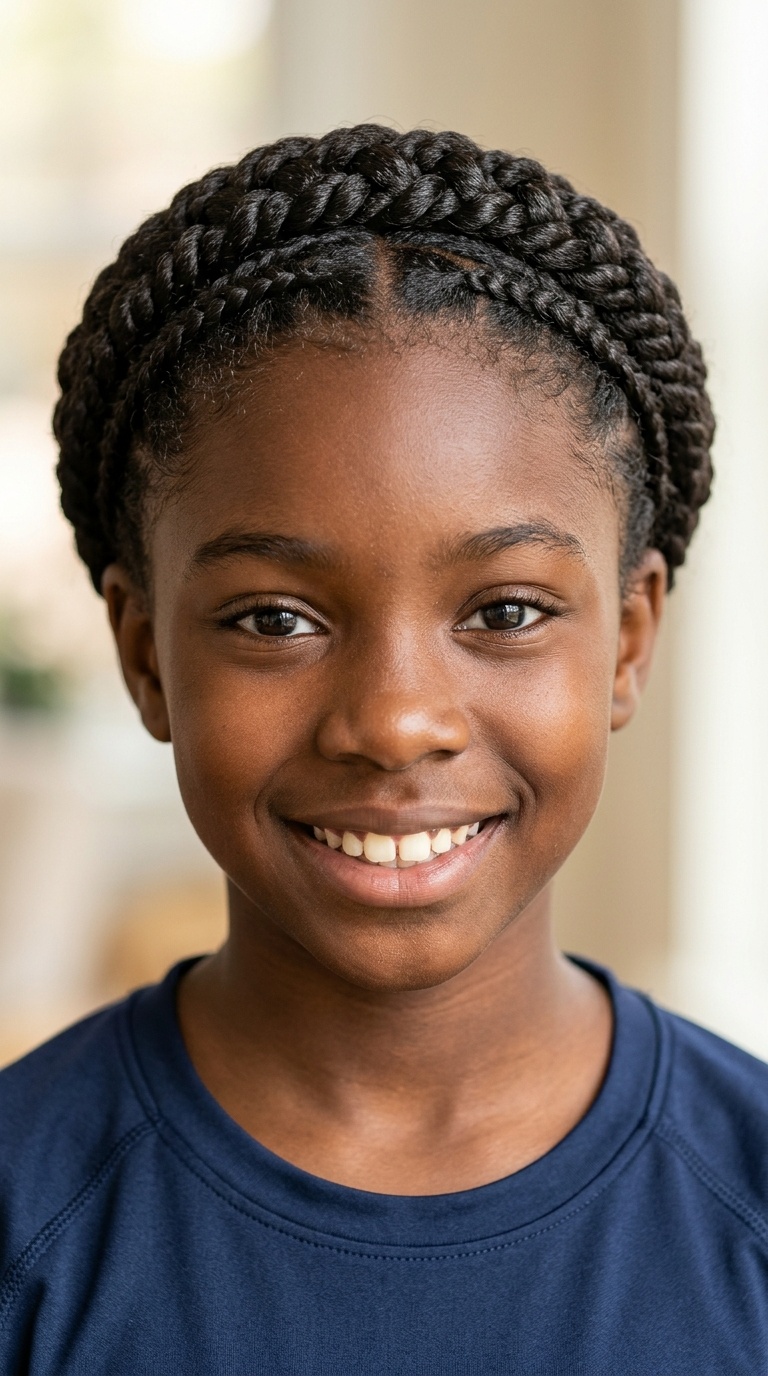
A flat twist crown involves twisting sections of hair along the hairline back toward the neck. It is a great heat-free way to keep hair managed and protected.
This style is particularly beneficial for girls with natural or curly hair textures. It protects the edges from the friction of the helmet padding while looking elegant.
Because the twists are flat against the head, there is no interference with the helmet’s internal cage. It ensures the most comfortable and safe fit possible.
10. The Multi-Elastic High-to-Low Pony
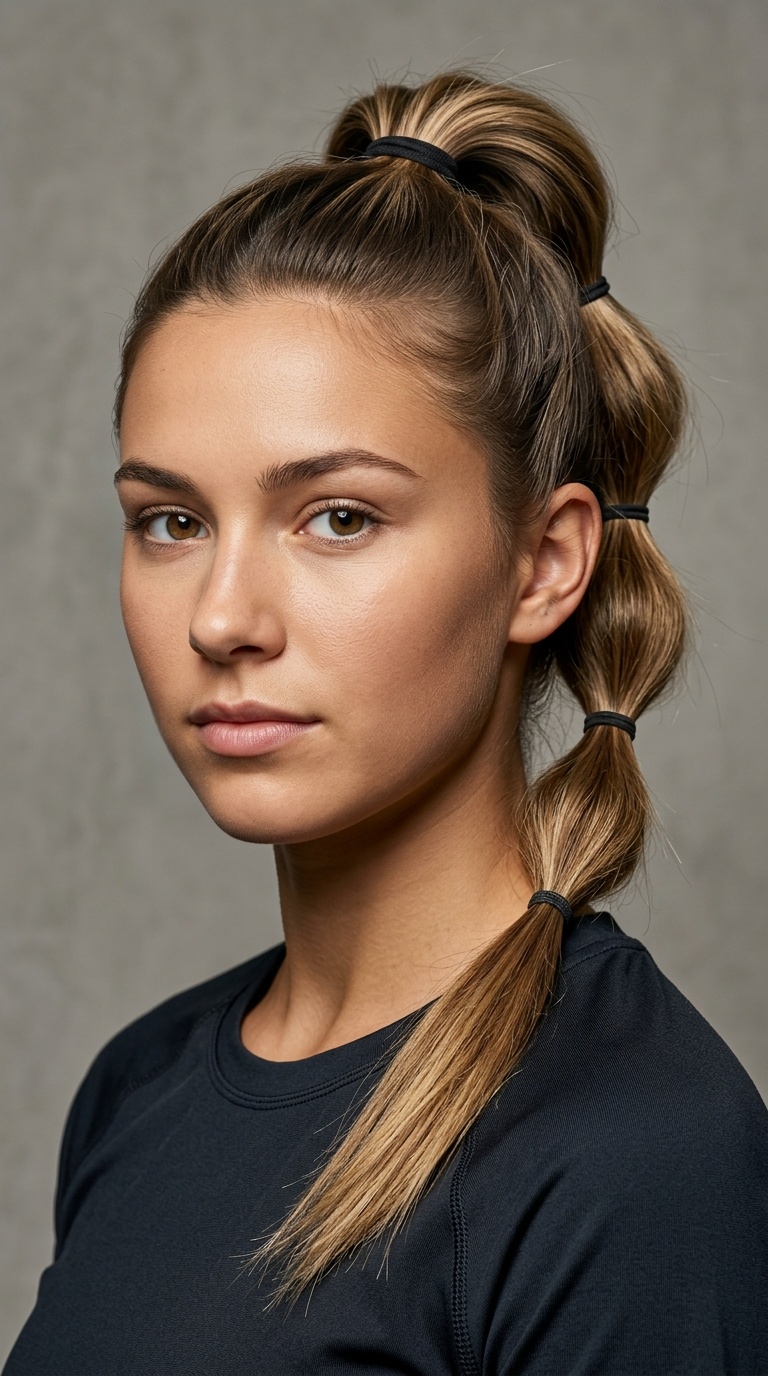
This style uses a series of elastics to pull hair back in stages, starting from the forehead. It acts like a series of anchors to keep the hair from shifting.
It is the ultimate solution for girls with lots of short layers or bangs. Each section is pinned down by an elastic before it can escape and cause a distraction.
The final tail should be kept low to accommodate the helmet’s rear support. It is a functional, streamlined look that screams “game ready.”
11. The Inverse Tucked Braid
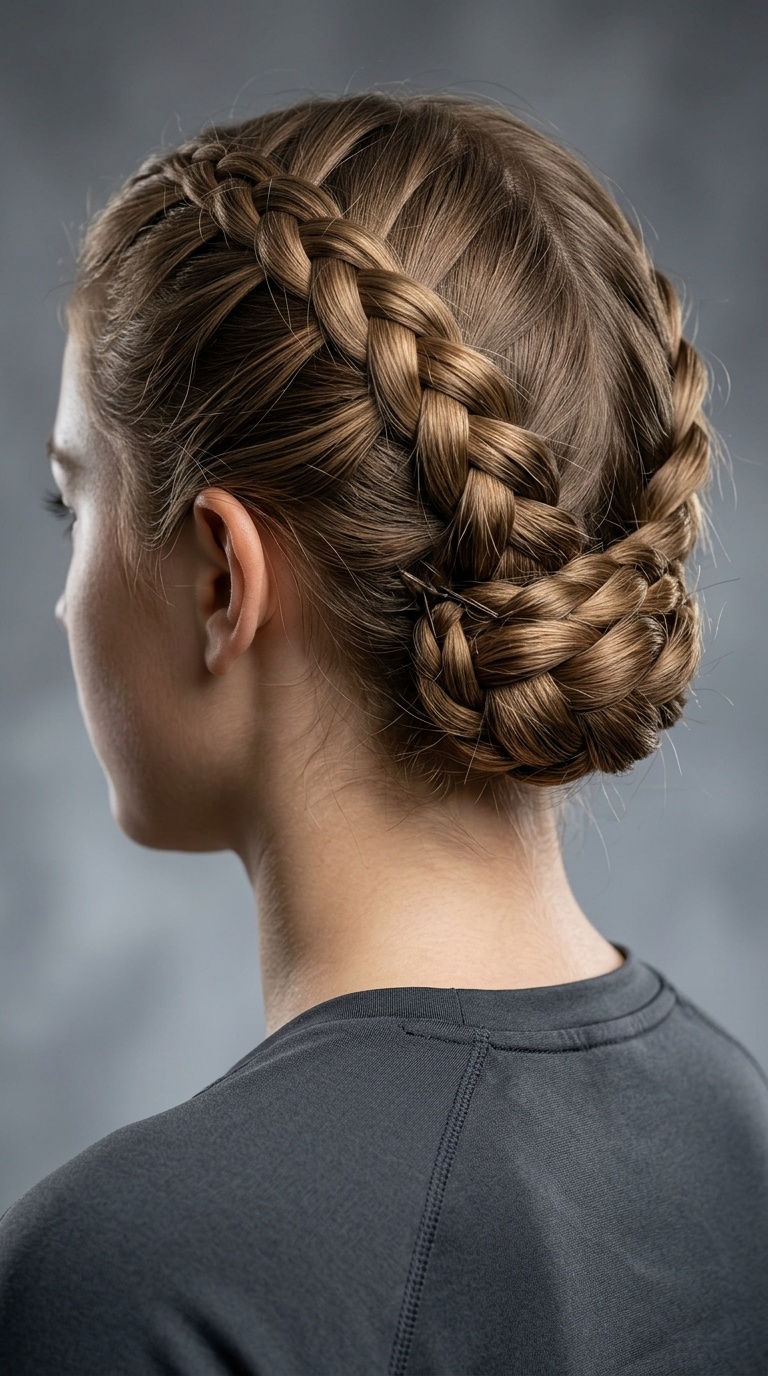
The inverse tucked braid involves a standard braid that is then folded up and tucked under. You can secure the “tail” near the nape with pins or another elastic.
This is a safety-first style that prevents opponents or sticks from accidentally catching your hair. It keeps the hair completely contained within the footprint of the helmet.
For girls who find long braids annoying while skating, this “tucked” method is the perfect fix. It feels light, secure, and stays completely out of your field of vision.
More Amazing Ideas





12. Cross-Over Side Braids
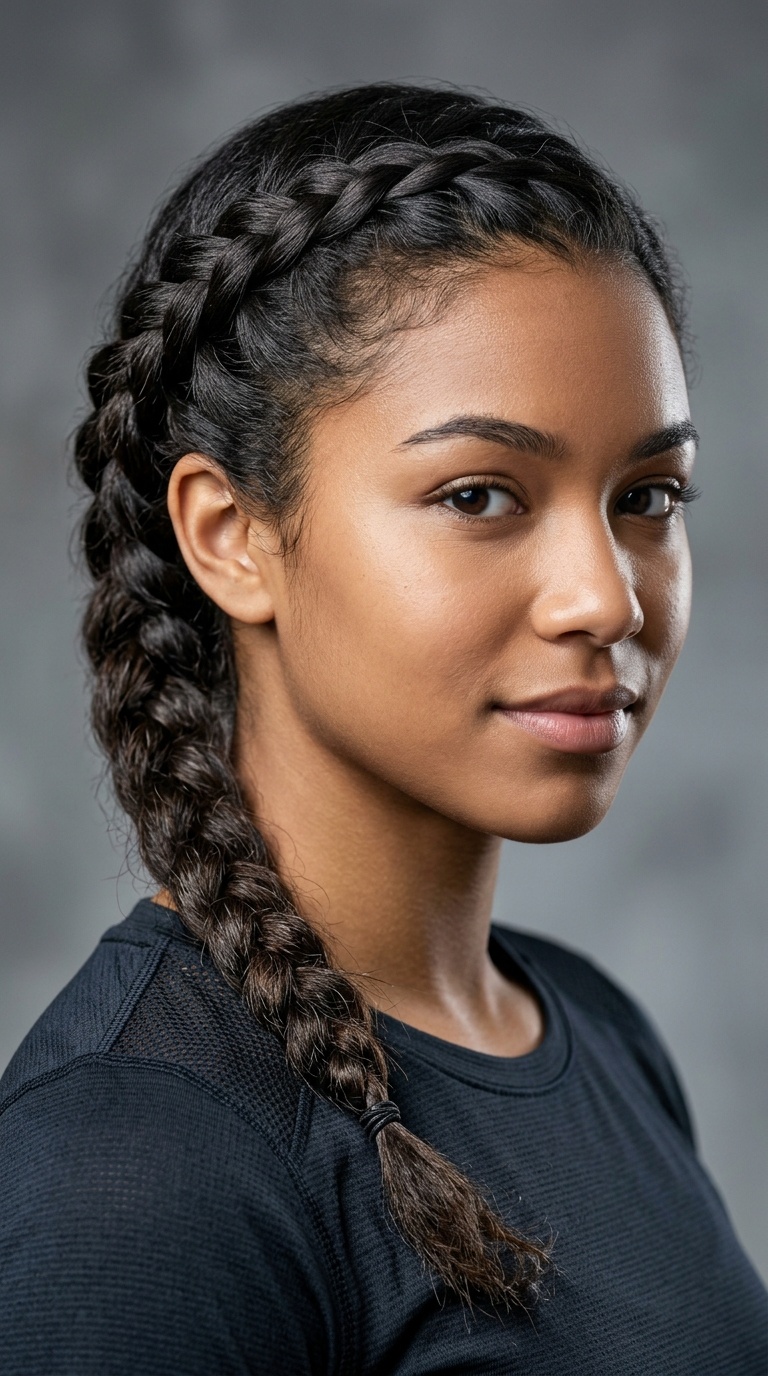
Cross-over braids involve taking two braids from the temples and crossing them at the back. This creates an “X” shape that adds extra tension and security.
This style is excellent for girls who experience “helmet slide” where the helmet moves forward. The texture of the crossed braids helps the helmet grip the head better.
It is a stylish, athletic look that works well for girls of all ages. It manages the hair near the ears, which is often a problem area for helmet comfort.
13. The Four-Strand Flat Braid
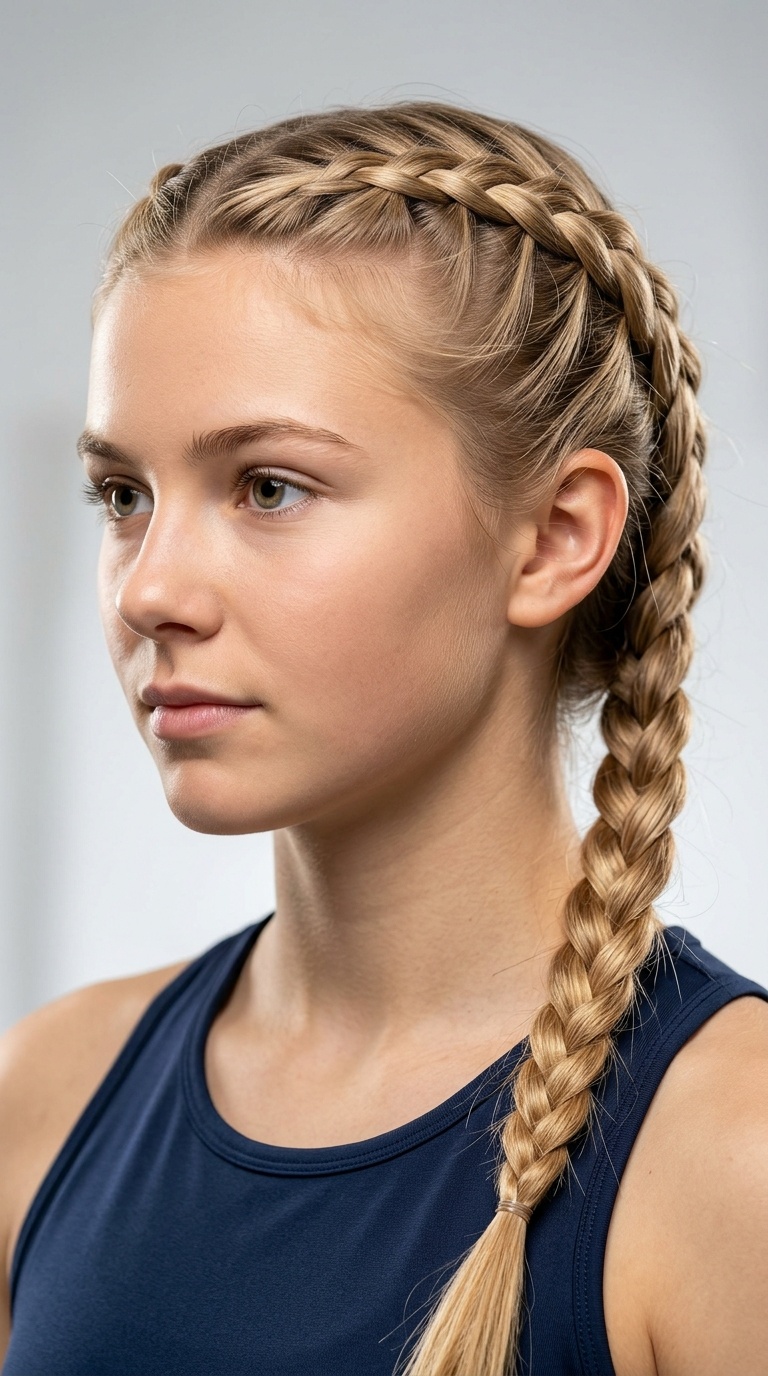
A four-strand braid is wider and flatter than a traditional three-strand version. This increased surface area makes it sit very comfortably against the back of the neck.
It is a great choice for girls with thick, heavy hair that usually creates a “lump” under the helmet. The four-strand technique spreads the hair out more evenly.
While it requires a little practice, the results are incredibly professional and durable. It holds its shape through sweat, humidity, and high-speed skating.
14. The “Snake” Braid
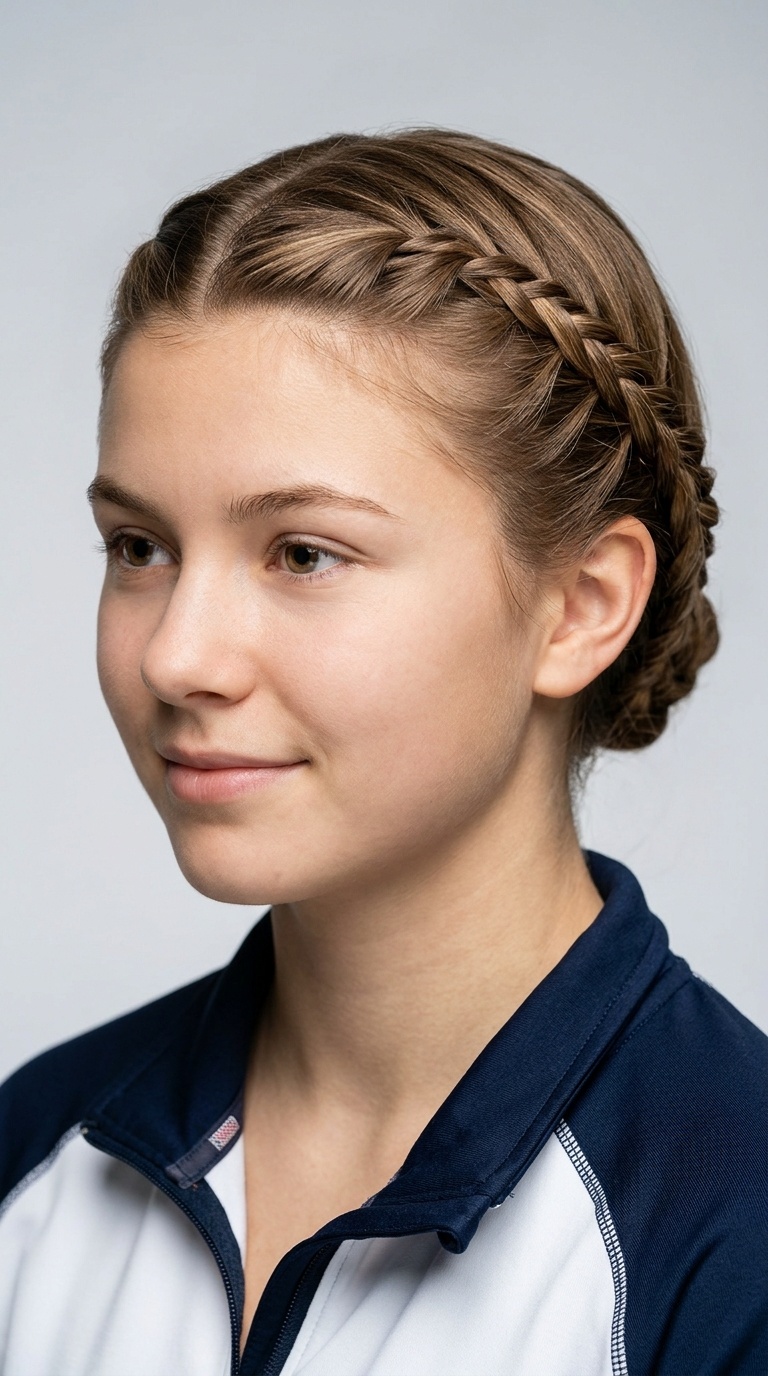
The snake braid is a single French braid that curves across the back of the head. It starts on one side and finishes on the other, following the natural curve of the skull.
This prevents the hair from bunching up in the center, where many helmets have their adjustment dials. It is a clever way to customize your hair to your specific gear.
It is a fun, unique style that helps girls stand out in the locker room. Despite its cool look, it remains easy to do once you master the basic French braid.
More Amazing Ideas





15. The Low Rope Twist
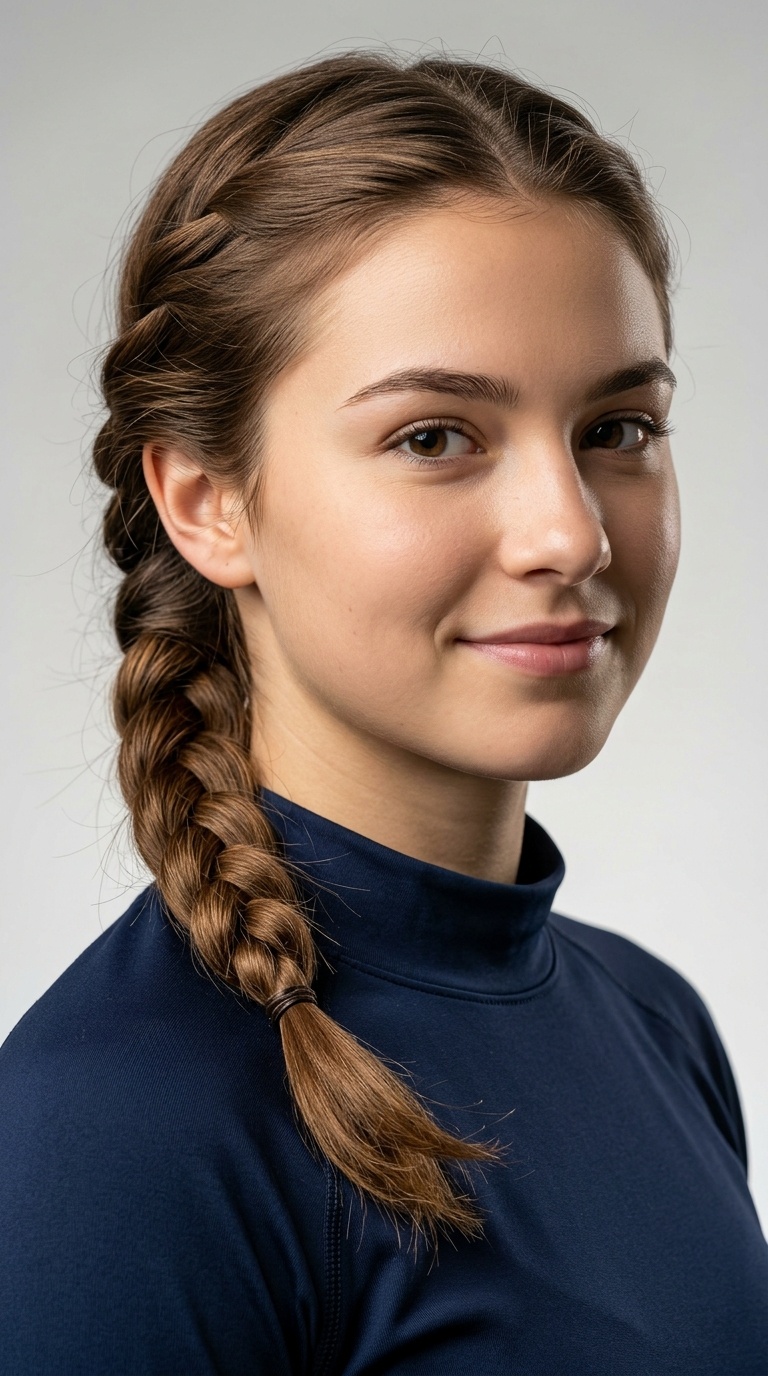
The rope twist is made by twisting two sections of hair in one direction and then wrapping them in the other. This creates a rope-like effect that is very sturdy.
It is much faster than a standard three-strand braid and provides a sleek, modern aesthetic. It works particularly well on damp hair right before a game.
This style is perfect for girls who want a “clean” look without any stray hairs. The tension of the twist keeps everything streamlined and helmet-ready in seconds.
16. The Micro-Braided Low Pony
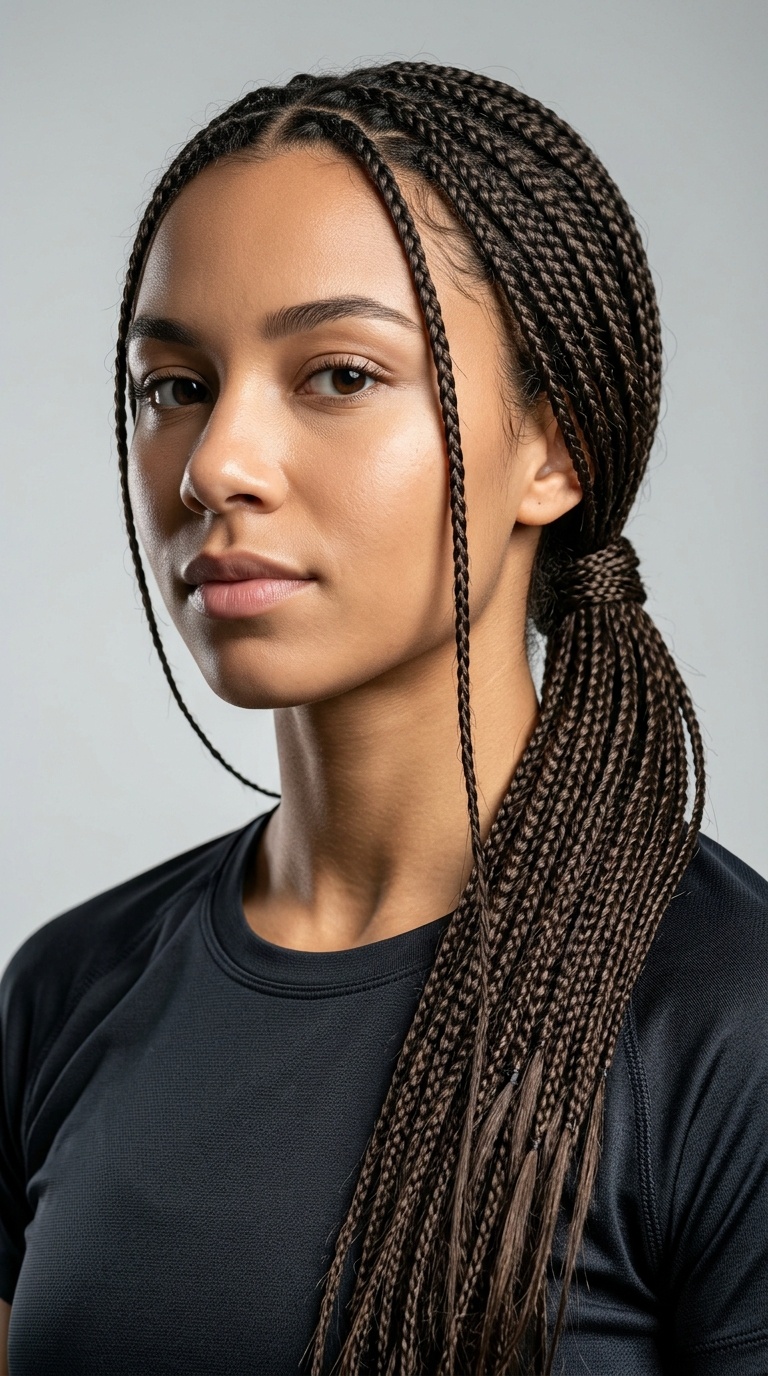
This style involves making two tiny “micro” braids at the hairline and pulling them back into a ponytail. It targets the “wispy” hairs that usually fall into the eyes.
It is a great compromise for girls who don’t want a full head of braids. You get the security of a braid at the front with the ease of a ponytail at the back.
This look is very easy to achieve for players of all skill levels. It is the perfect blend of fashion and function for the modern female hockey player.
How do I prevent my hair from frizzing under the helmet?
Using a small amount of lightweight gel or leave-in conditioner before styling can create a barrier against friction. You can also wear a thin, moisture-wicking skull cap or headband under your helmet to keep the hair flat and protected from the internal padding.
More Amazing Ideas




What is the best hairstyle for girls with short hair playing hockey?
For girls with short hair, the best approach is using “micro-braids” or small “pull-through” sections along the hairline. These secure the bangs and side pieces that are too short for a ponytail, ensuring they don’t block your vision during the game.
Will these hairstyles work with thick or curly hair?
Yes, most of these styles, especially the Double Dutch braids and Flat Twists, are designed to manage high-volume hair. These techniques compress the hair and distribute it evenly across the scalp, which is essential for a safe and comfortable helmet fit.
How can I make my hockey hairstyle last all day for a tournament?
To ensure a style lasts through multiple games, use “no-snag” elastics and consider braiding the hair while it is slightly damp. Finishing with a strong-hold hairspray or a setting mousse will help lock the braids in place against wind and sweat.
Are there any safety concerns regarding hairstyles and hockey helmets?
The most important safety factor is ensuring the hairstyle doesn’t create a “lump” that tilts the helmet forward or backward. A helmet must sit level on the head to protect the temples and base of the skull; always choose low, flat styles to maintain this protection.
Can I use metal clips or barrettes under my hockey helmet?
It is strongly recommended to avoid metal clips or hard plastic barrettes under a helmet. In the event of an impact, these hard objects can cause bruising or lacerations; instead, use soft elastics, fabric headbands, or “spin pins” that sit flush against the head.