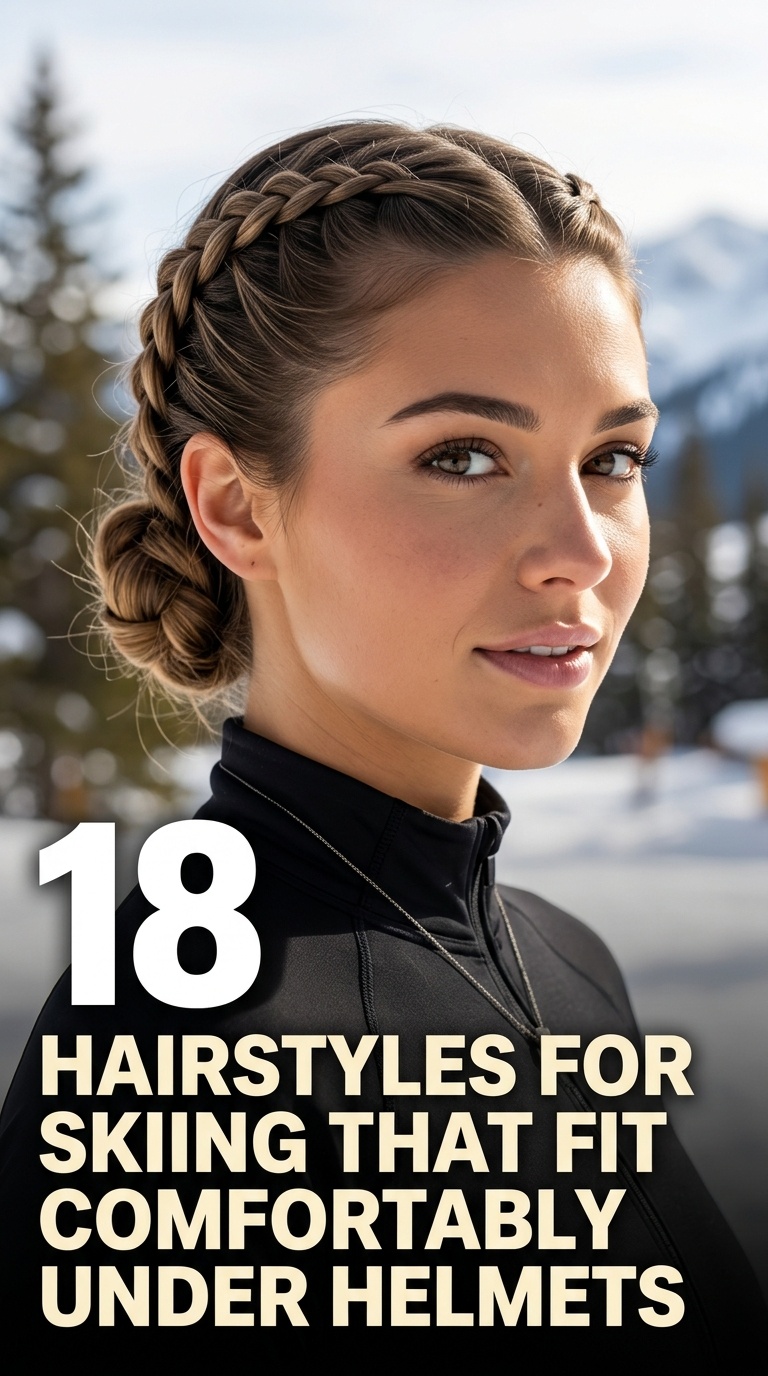
Hit the slopes with confidence. Nothing ruins a ski day like a bulky hairstyle. Helmet safety is the top priority for every run.
The right style keeps hair out of your face. It also prevents painful pressure points under your gear. Say goodbye to “helmet hair” for good.
Explore these functional and stylish options. These 18 Hairstyles for Skiing that Fit Comfortably Under Helmets are perfect for your next mountain adventure.
1. Classic Double Dutch Braids

Dutch braids are the gold standard for mountain sports because they sit flat against the scalp. By crossing sections under rather than over, you create a secure structure that won’t budge during high-speed runs.
This style is particularly effective at keeping flyaways contained. Since the braids start at the hairline and work back, they prevent hair from whipping into your goggles or mouth while skiing.
When you finish the day at the lodge, you can unravel these for effortless “apres-ski” waves. They provide a double benefit of performance on the snow and style for the evening.
2. Low French Braids
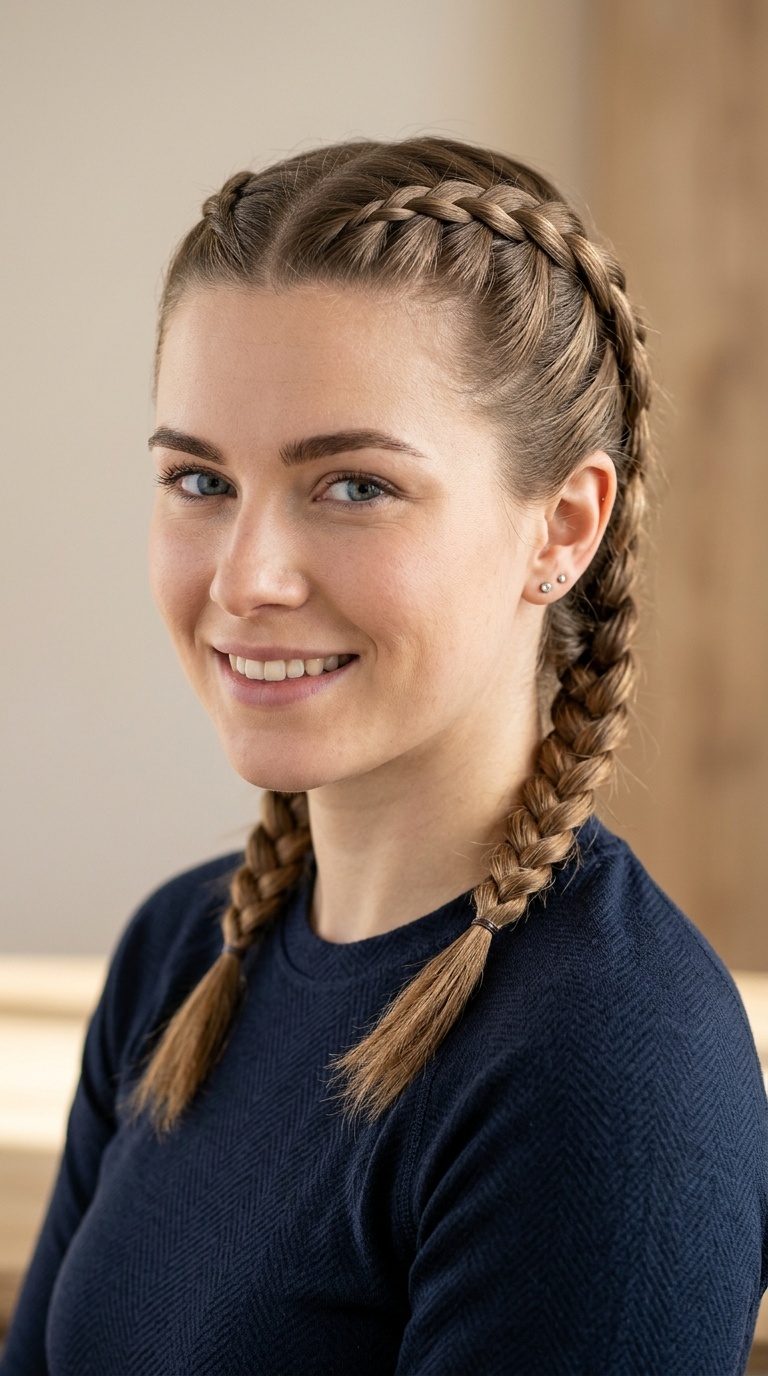
French braids offer a sleeker, more understated look compared to the Dutch variety. The hair is woven inward, creating a smooth surface that allows the helmet liner to slide on easily.
Because the volume is distributed evenly across the back of the head, there are no lumps to cause discomfort. This is essential for maintaining the proper fit and safety rating of your helmet.
This style works exceptionally well for those with layered hair. The continuous weaving captures shorter pieces that might otherwise slip out of a standard ponytail or lower bun.
3. The Low Bubble Braid
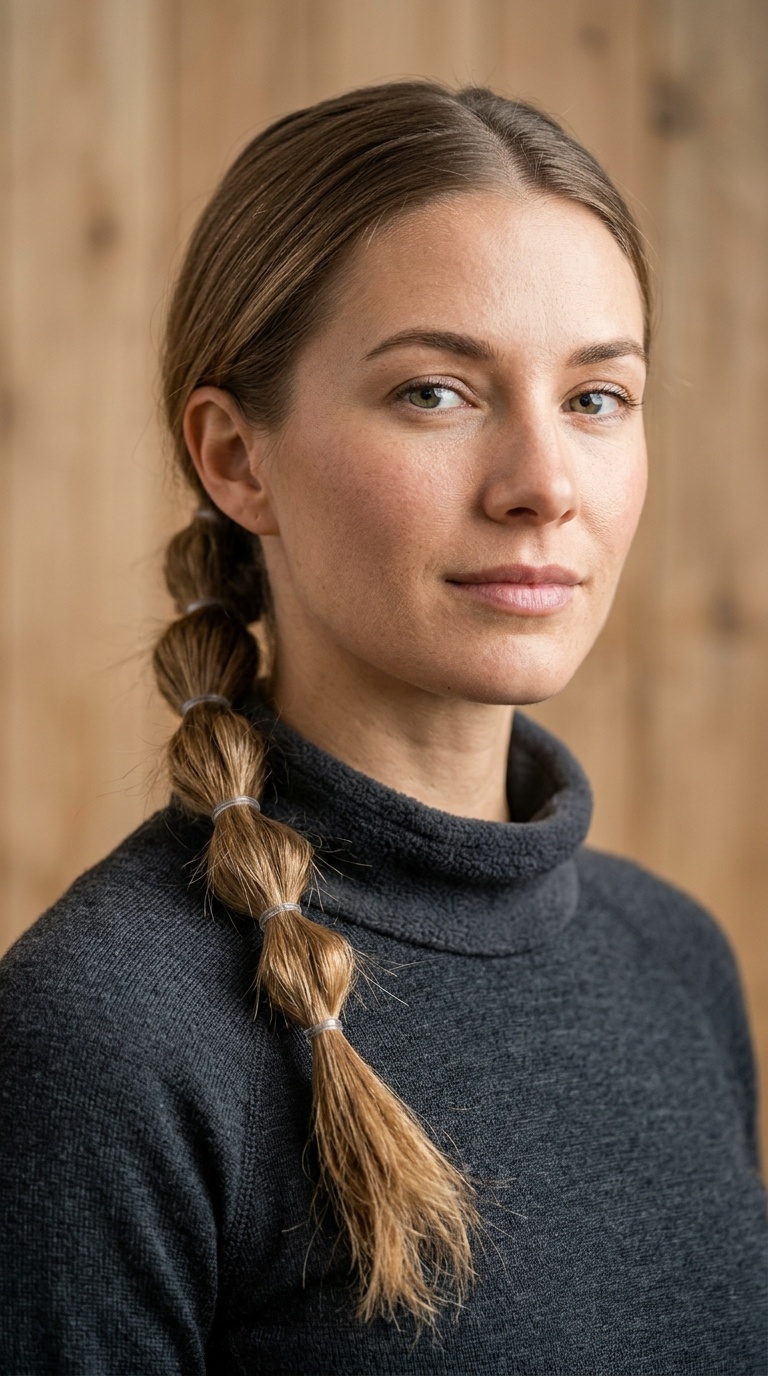
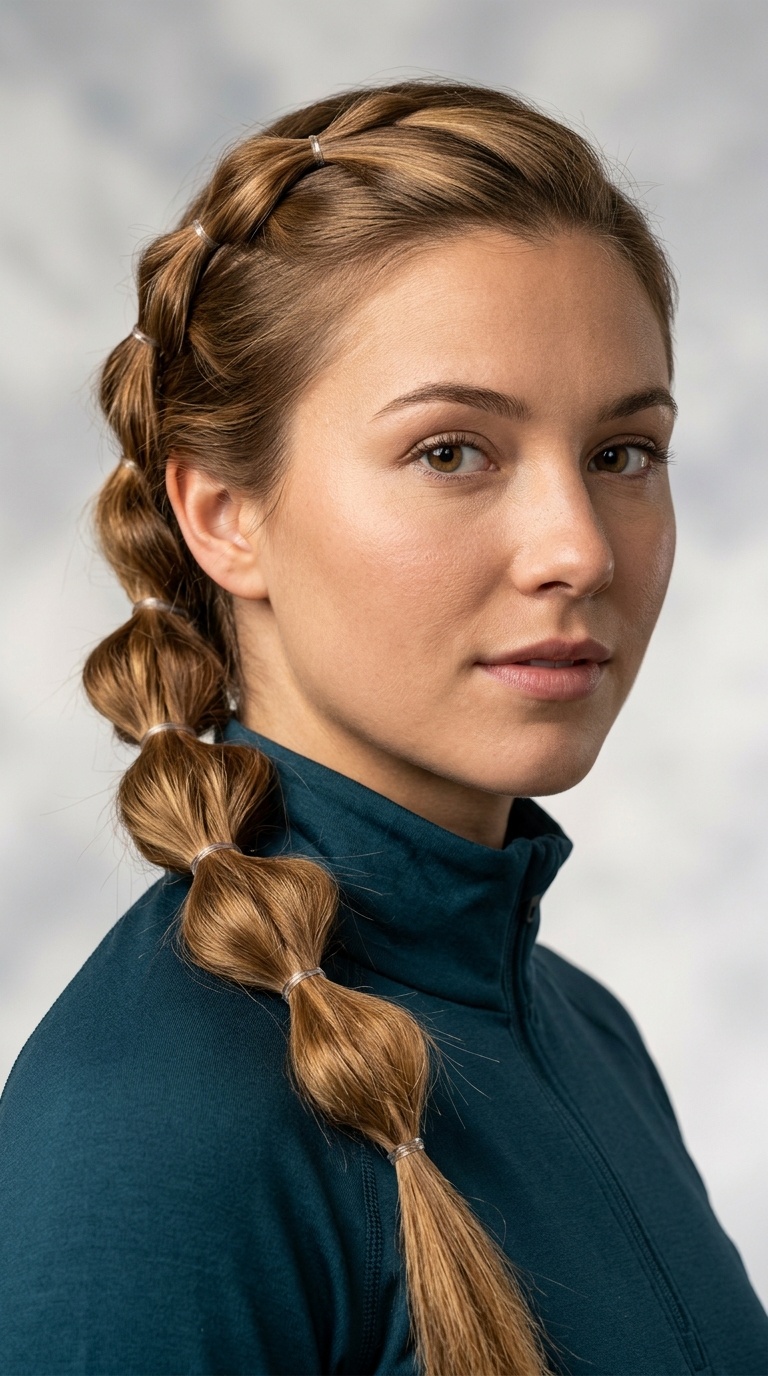
The bubble braid is a modern favorite that requires very little technical braiding skill. By using small elastics at intervals down a low ponytail, you create “bubbles” of hair that look intricate.
More Amazing Ideas





This style is excellent for skiing because it keeps the hair gathered and heavy. It prevents the wind from creating massive tangles in the length of your hair while you descend the mountain.
Ensure the first elastic starts at the very nape of the neck. This positioning ensures that the helmet’s adjustment dial at the back can tighten securely without catching on the hair.
4. Low Chignon or Nape Bun
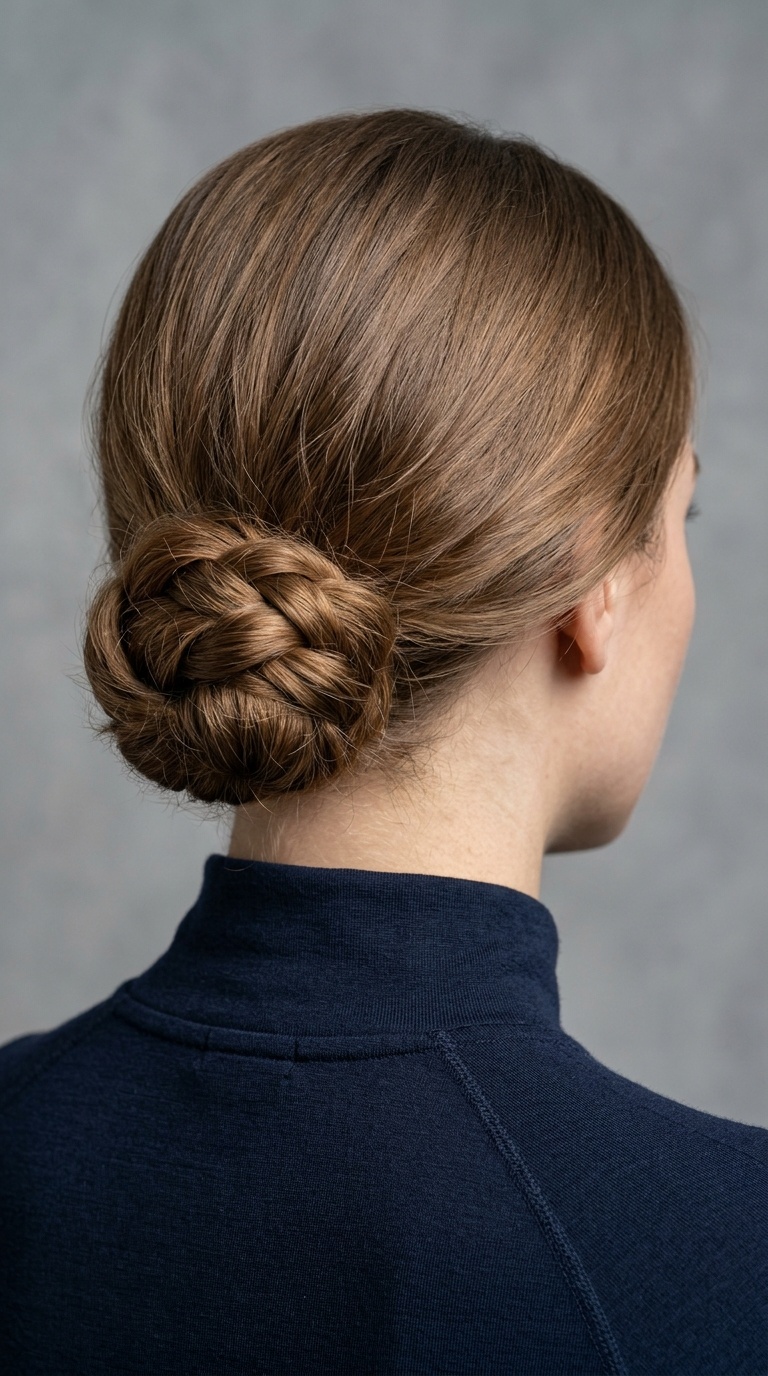
A low chignon is the ultimate solution for those who want their hair completely tucked away. By securing the bun at the very base of the skull, you avoid any interference with the helmet shell.
This style is particularly useful for snowy or wet conditions. Keeping the ends of the hair tucked into a bun protects them from moisture and the friction of a ski jacket collar.
Use “spin pins” or flat U-shaped pins instead of bulky clips. Flat fasteners ensure that there is no localized pressure against your head when the helmet is buckled tight.
5. Side-Swept Fishtail Braid
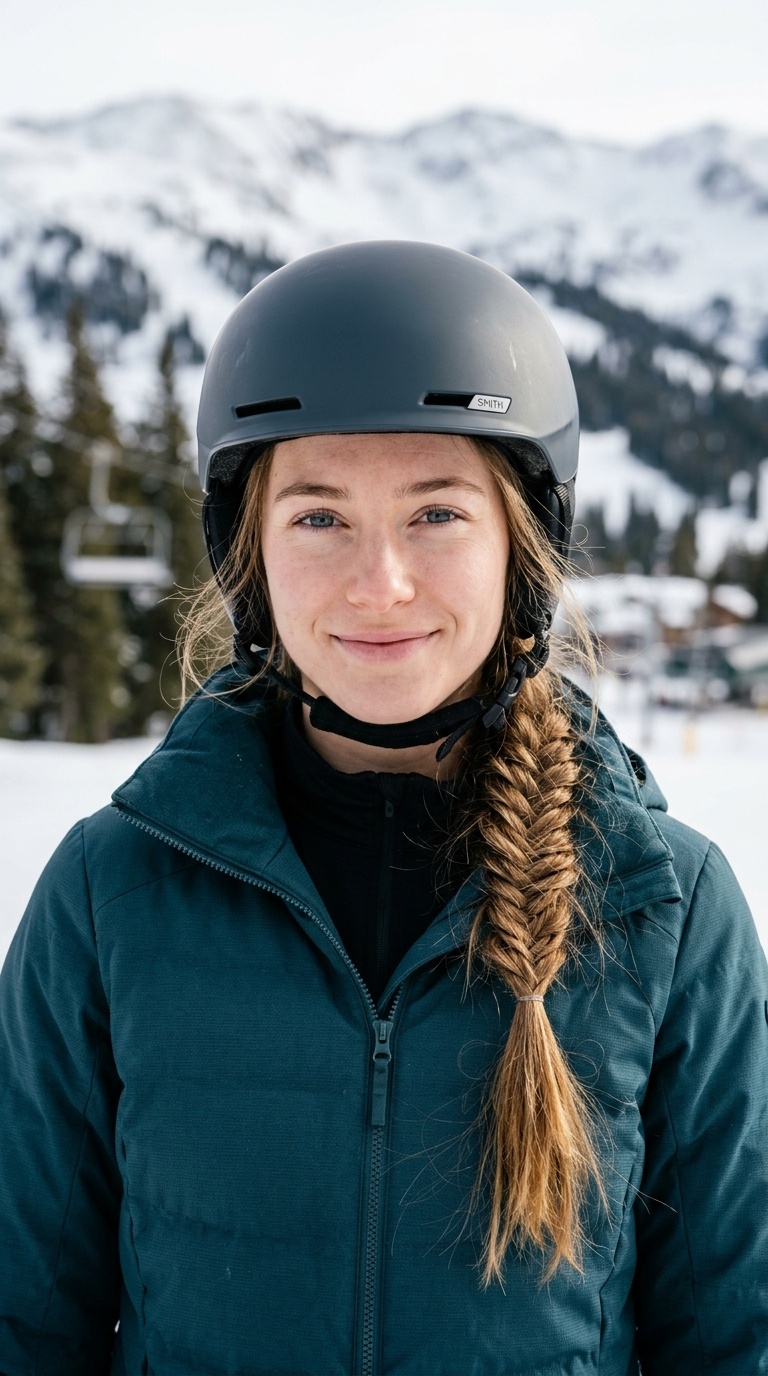
A side-swept fishtail is both functional and highly photogenic for those mountain selfies. By directing the hair over one shoulder, you remove all bulk from the back of the neck entirely.
This orientation is perfect for skiers who find that center-back braids get caught in their jacket zippers. It allows for a full range of head motion without any pulling or snagging.
The fishtail weave is tighter and more intricate than a standard three-strand braid. This extra security means it is less likely to fray or become “fuzzy” after hours of intense physical activity.
6. Sleek Low Ponytail
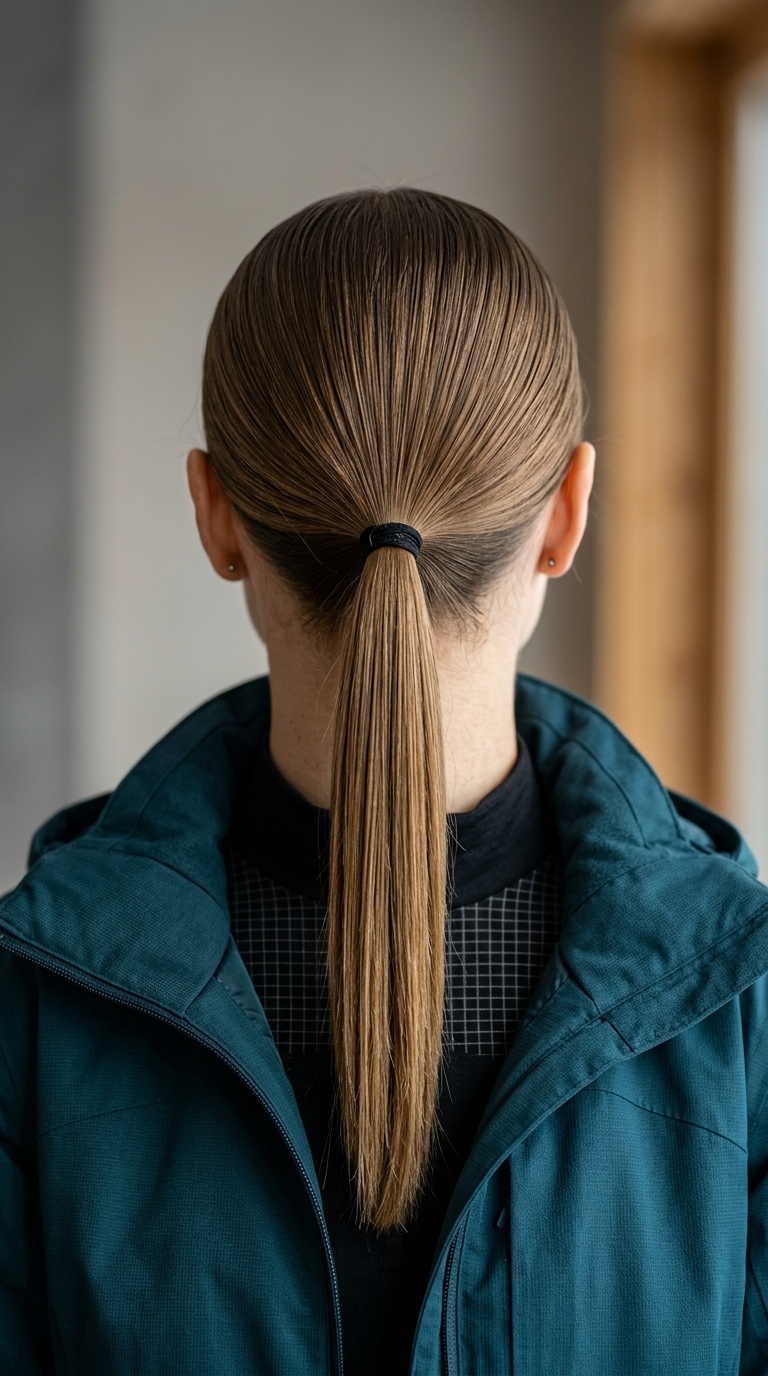
Sometimes simplicity is the best strategy for a long day on the lift. A sleek low ponytail is quick to assemble and fits perfectly under any standard ski or snowboard helmet.
More Amazing Ideas



To elevate this look and prevent tangles, use a smoothing serum before tying. This creates a barrier against the dry mountain air and reduces the static electricity often caused by helmet liners.
Always use a seamless hair tie or a “hair cloud” to prevent breakage. Since the ponytail sits right where the helmet meets the neck, minimizing friction is key to hair health.
7. Twin Low Space Buns
Low space buns offer a playful aesthetic while remaining strictly functional. By splitting the hair into two small buns behind the ears, you keep the center of the neck completely clear.
This spacing is ideal for helmets that have a large rear adjustment wheel. It allows the mechanical parts of the helmet to sit flush against the head for maximum safety and comfort.
These buns also help balance the weight of the hair. If you have very thick or heavy hair, splitting the volume into two smaller sections can prevent neck fatigue during a full day of skiing.
8. The Pull-Through Braid
The pull-through braid is a hybrid between a ponytail and a braid that offers incredible durability. It uses multiple elastics to “lock” the hair in place, making it nearly impossible to mess up.
Because this style is made of interconnected loops, it stays flat against the back of the head. It provides the visual volume of a thick braid without the actual thickness that might cramp a helmet.
This is a “set it and forget it” hairstyle. Even if you take your helmet off and on multiple times for breaks, the pull-through structure remains crisp and tidy.
9. Rope Twisted Pigtails
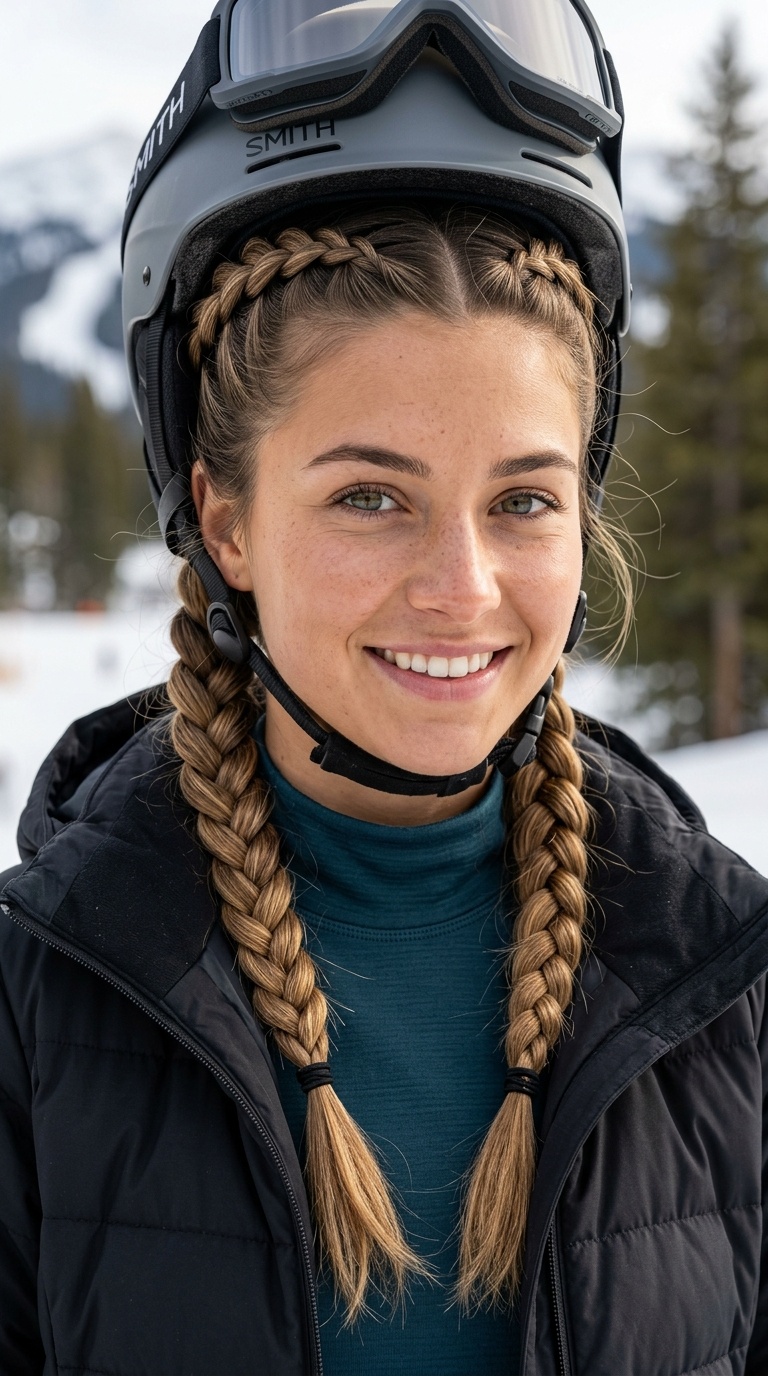
Rope twists are created by twisting two sections of hair individually and then wrapping them around each other. The result is a sturdy, cord-like effect that looks sophisticated and rugged.
More Amazing Ideas




Unlike standard braids, rope twists have a very low profile. They lay extremely flat against the neck, making them one of the most comfortable options for tight-fitting performance helmets.
This style is also very easy to fix on the go. If a twist comes loose, it takes only seconds to re-wrap it even while wearing gloves, making it a practical choice for the slopes.
10. Four-Strand Side Braid
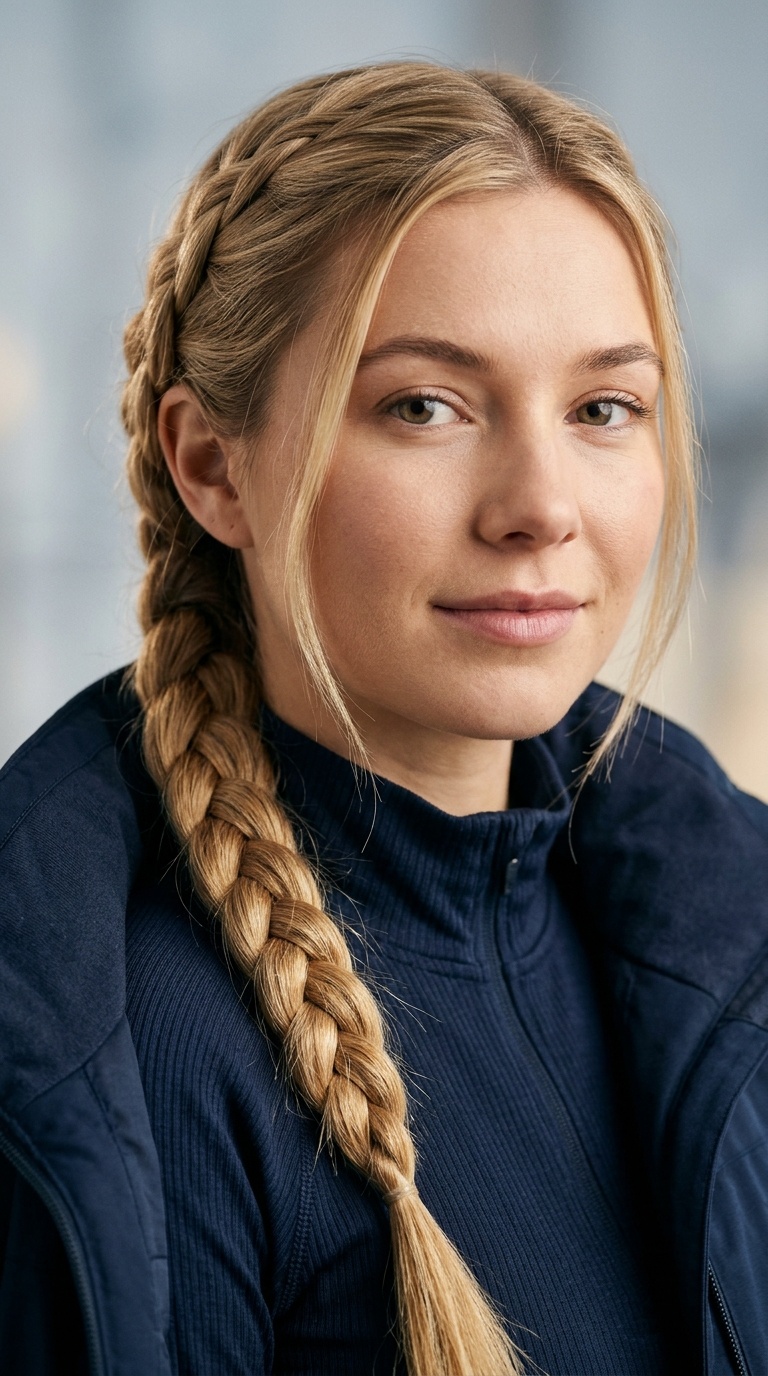
For those who want a more unique look, the four-strand braid offers a woven, ribbon-like appearance. When pulled to the side, it stays out of the way of all gear and outerwear.
The flat nature of a four-strand weave is its secret weapon for helmet compatibility. It distributes the hair horizontally rather than vertically, preventing any “lump” under the helmet rim.
This style works best with medium to long hair. It provides enough weight to keep the hair draped over the shoulder even when you are picking up speed on a downhill run.
11. Low Tuck-and-Roll
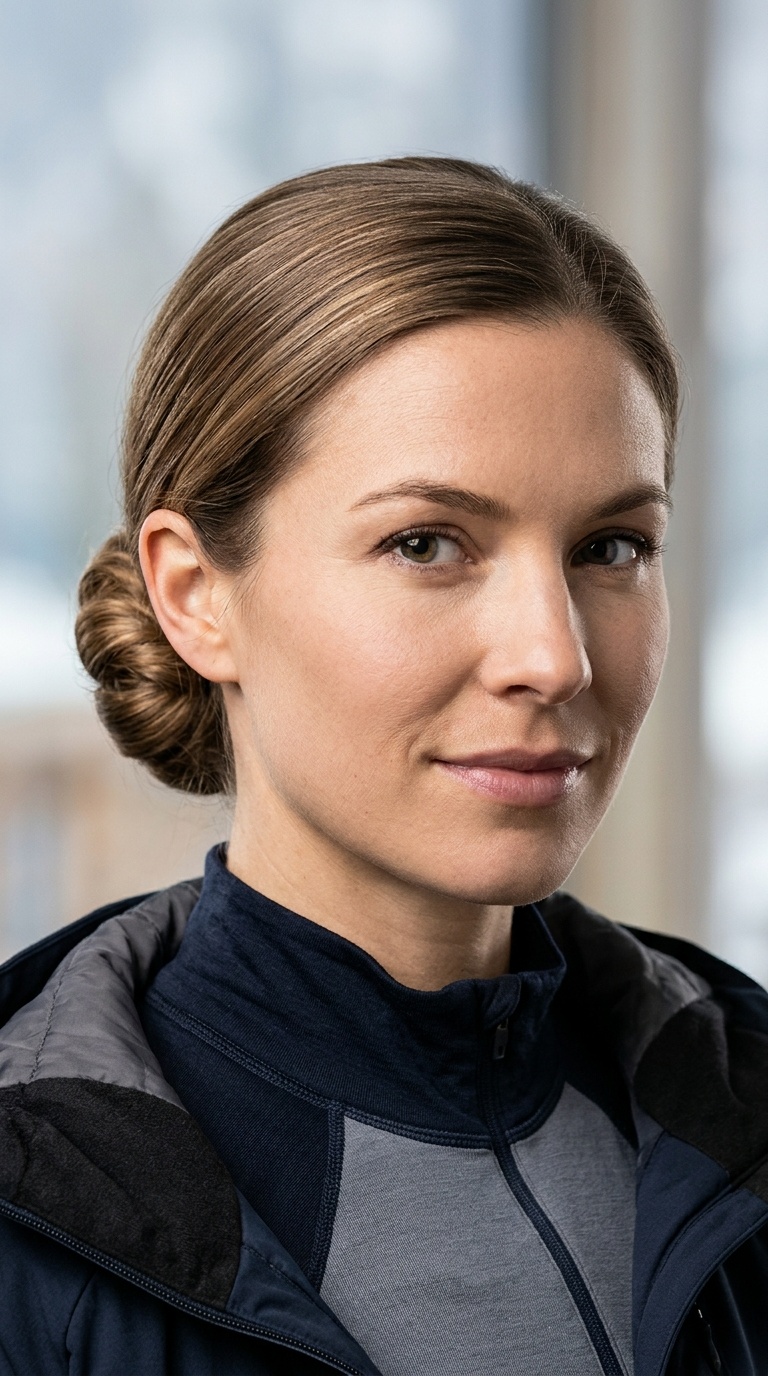
The tuck-and-roll involves twisting the hair along the hairline and tucking it into a horizontal roll at the nape. It creates a very clean, professional look that is entirely snag-free.
This style is excellent for keeping the neck cool. By lifting the hair off the skin and securing it, you prevent the “sweaty neck” feeling that often occurs during intense spring skiing.
Because the hair is rolled inward, the ends are completely protected from the elements. This is a great choice for those trying to prevent split ends caused by wind and cold.
12. Multiple Accent Micro-Braids
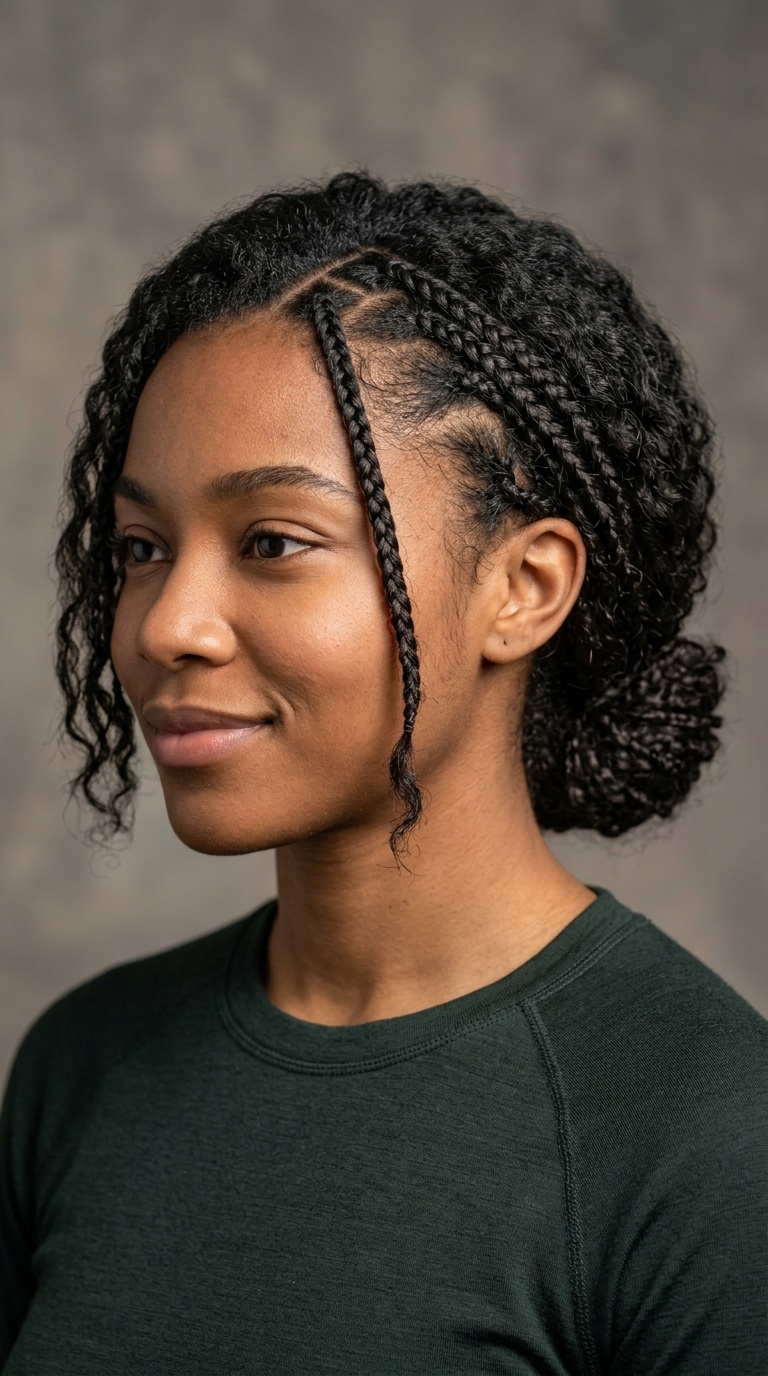
If you prefer to keep your hair mostly down but need it out of your face, micro-braids are the answer. Small braids at the temples can be tied back or tucked behind the ears.
More Amazing Ideas





This approach keeps the bulk to a minimum. You get the protection of a braid where it matters most—the hairline—without the heaviness of a full-head style.
Combine this with a thin, moisture-wicking “buff” or neck gaiter. The braids stay tucked under the fabric, while the rest of the hair flows freely from the back of the helmet.
13. The “Infinity” Braid
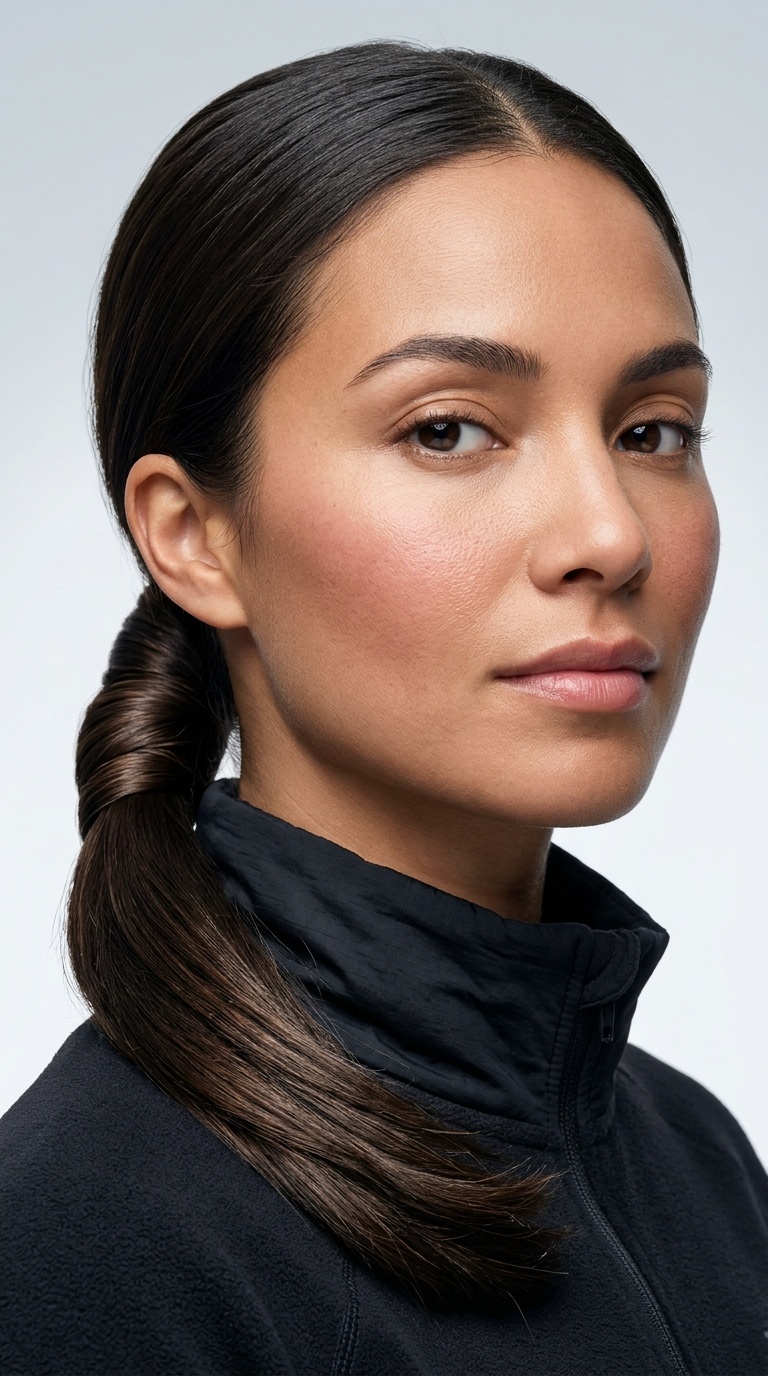
The infinity braid uses a figure-eight pattern to create a flat, intricate weave. It is prized in the outdoor community for its ability to stay tight regardless of physical movement.
Since the pattern is inherently flat, it sits perfectly underneath the lower harness of a ski helmet. It won’t create the “pressure headache” that thicker braids sometimes cause.
This style is particularly effective for very long hair. It manages the length efficiently and keeps the hair from becoming a tangled mess in the wind.
14. Wrapped Low Ponytail
A wrapped ponytail involves taking a small section of hair and wrapping it around the elastic base. This hides the tie and adds an extra layer of security to the style.
This small addition makes the ponytail more rigid at the base. It prevents the ponytail from sagging or sliding down as you hit bumps or navigate through moguls.
The result is a polished look that feels very secure. It ensures your hair stays exactly where you put it from the first chairlift to the last run of the day.
15. The Hidden Crown Braid
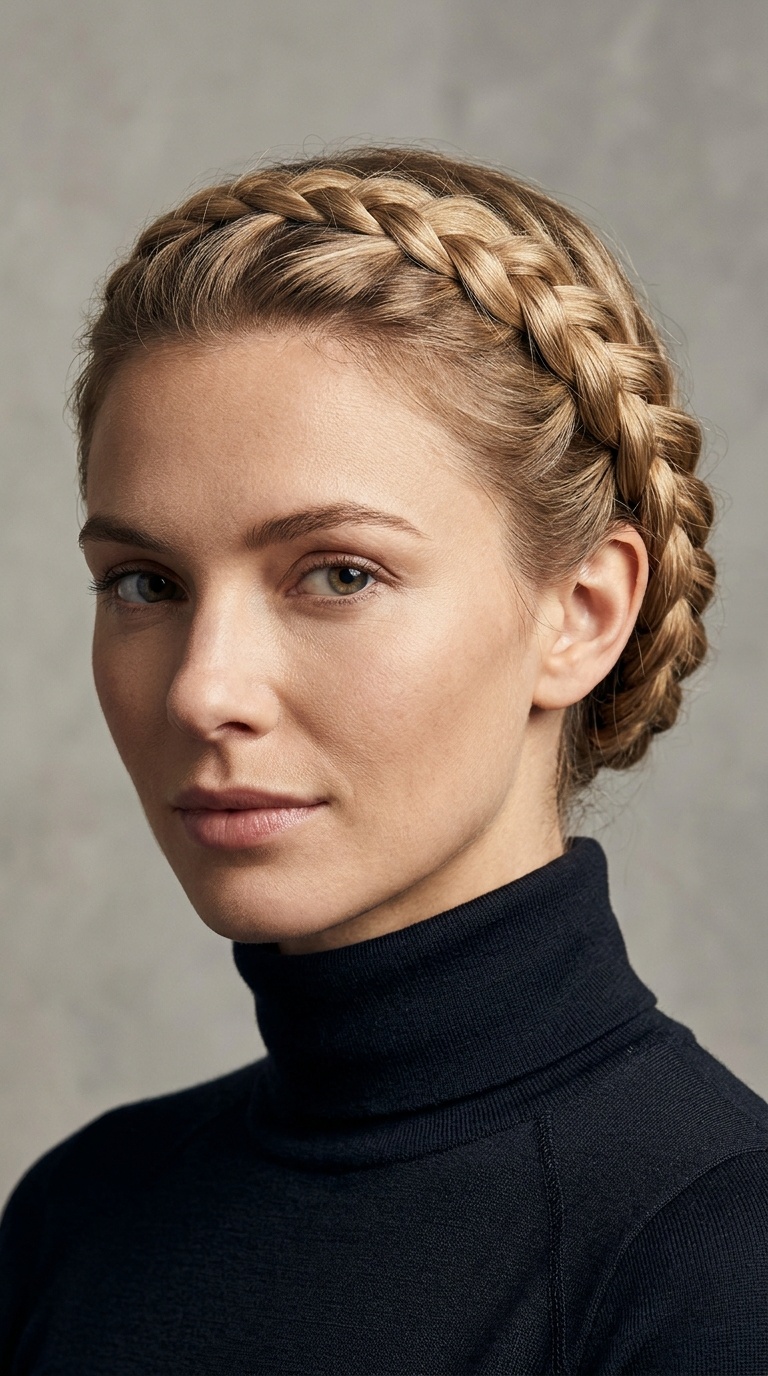
A crown braid that sits low around the back of the head is a masterclass in helmet-friendly design. It follows the natural curve of the helmet’s base, staying entirely out of the way.
By pinning the hair in a circular fashion, you distribute the weight across a larger area. This prevents any single point of tension on the scalp, which is vital for all-day comfort.
More Amazing Ideas




This style is essentially “bulletproof.” Once pinned correctly, it can withstand falls, heavy snow, and the constant removal of gear without needing a single touch-up.
16. Diagonal French Braid
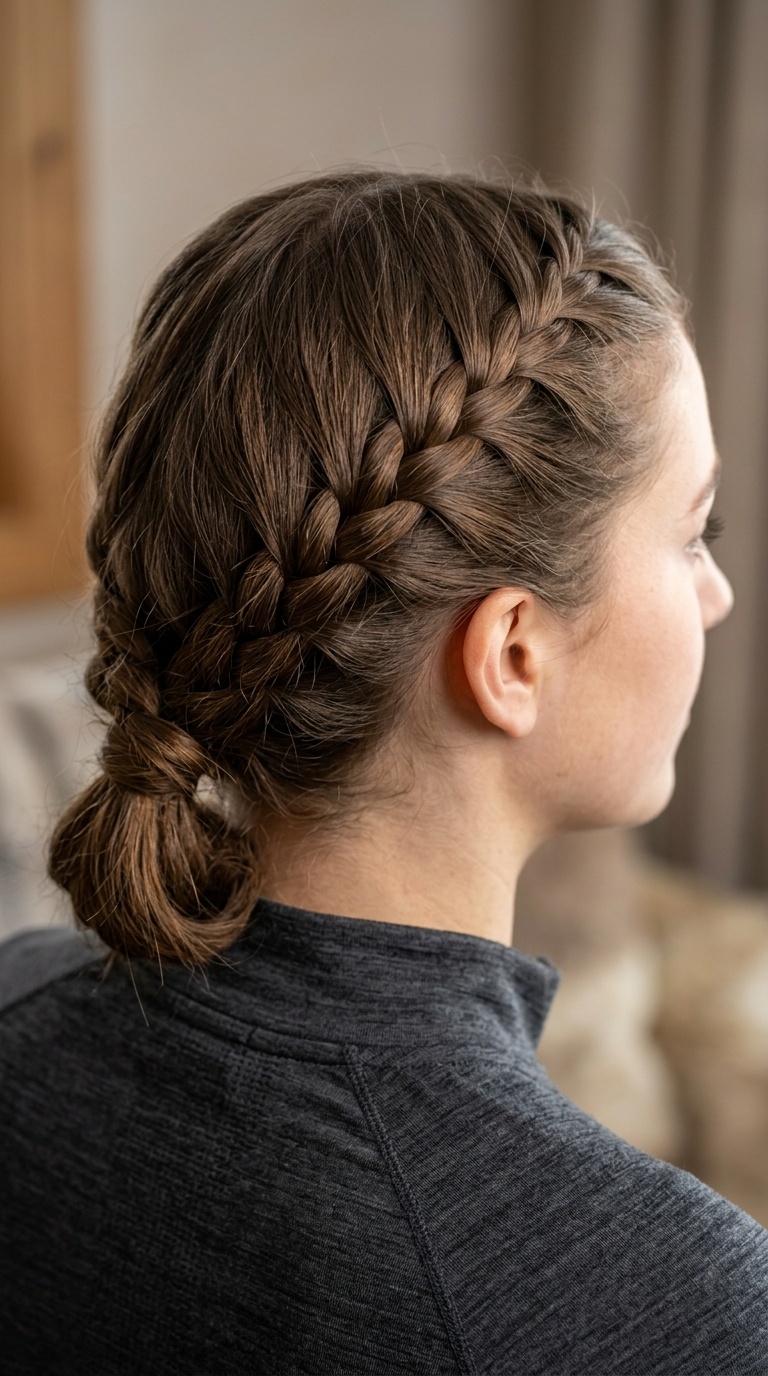
The diagonal French braid starts behind one ear and travels across the nape to the opposite side. This creates a beautiful asymmetrical look that is functionally superior.
Because the braid follows the lower rim of the helmet, it avoids the “center bump” entirely. This is the best choice for skiers who use helmets with very tight, aerodynamic profiles.
The diagonal path also allows for a longer braid length on shorter hair. By using the full width of the head, you can capture more hair into the secure woven structure.
17. Twisted Side Pigtails
Twisted pigtails are a softer alternative to traditional braids. By twisting the sections toward the face and then together, you create a rope-like effect that is soft against the neck.
These are incredibly comfortable for those with sensitive scalps. There is no tight pulling at the roots, yet the hair remains contained and managed under the helmet straps.
This style is very easy to do with cold hands. If you need to reset your hair in the lodge, you don’t need a mirror or complex finger movements to get it back in place.
18. The Sleek Low “Loop”
The loop is a variation of the ponytail where the ends are not pulled all the way through the final turn of the elastic. It creates a small, flat loop of hair at the nape.
This is the ultimate “quick fix” for long hair. It shortens the length so the hair doesn’t get caught in your gear, but keeps the profile flat enough to fit under the helmet.
More Amazing Ideas





It is particularly useful for changing weather. If it starts to snow heavily, you can quickly loop your hair to tuck it inside your jacket collar for total protection.
How do I prevent “helmet hair” frizz?
The best way to prevent frizz is to apply a light leave-in conditioner or anti-static spray before styling. Using silk or satin-lined helmets can also reduce the friction that leads to flyaways and static.
What is the best way to avoid a headache while wearing a helmet?
Ensure your braids or ponytails are positioned at the very nape of your neck, below where the helmet sits. Avoid using large plastic clips or thick elastics that can press into your skull when the helmet is tightened.
Can I wear these styles with a thin beanie under my helmet?
Yes, all of these styles are designed to be low-profile. If you wear a thin, moisture-wicking beanie or “liner” for extra warmth, these braids and low buns will still fit comfortably underneath.
Which style is best for short hair?
Diagonal French braids and micro-accent braids are best for short hair. These techniques capture smaller sections of hair and secure them close to the scalp so they don’t slip out from under the helmet.
Should I braid my hair wet or dry before skiing?
It is usually better to braid your hair dry or slightly damp with product. Braiding soaking wet hair can lead to discomfort and coldness as the water freezes or stays damp against your neck in the mountain air.
How do I keep my hair from tangling in my jacket zipper?
Side-swept styles or low buns are the most effective at preventing zipper snags. If you prefer pigtails or a center braid, ensure they are tucked inside your jacket or managed with a neck gaiter to keep them away from the hardware.