The smell of fresh-cut grass and the sound of a ball hitting a glove mean one thing: Little League season is almost here. For families across the country, timing is everything. Knowing when the season starts and how to register ensures your child doesn’t miss a single inning of fun.
When Does the Spring Little League Season Usually Start?
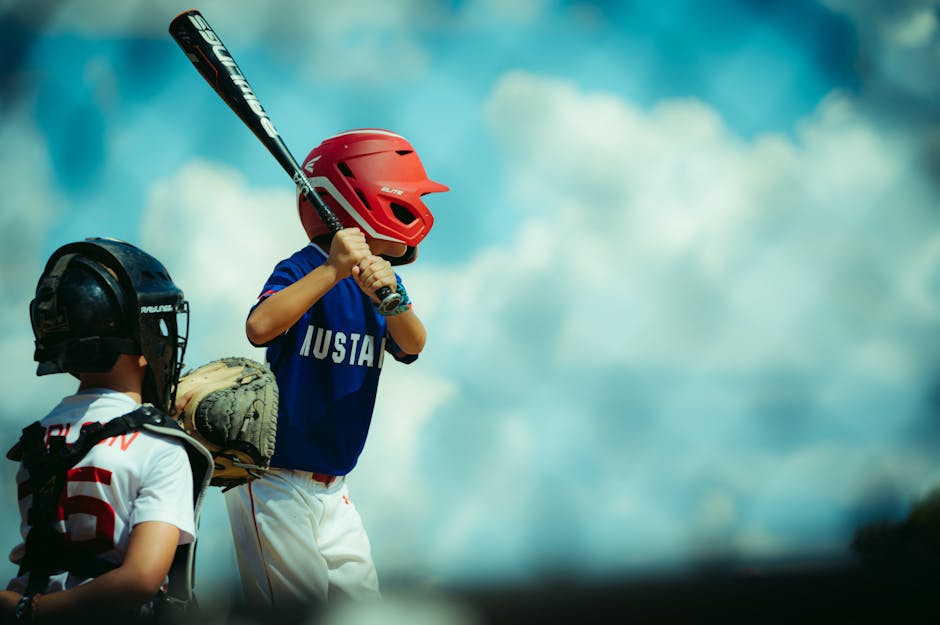
The start of the Little League season is much like the arrival of spring itself. It varies depending on where you live, but there is a general rhythm that most leagues follow. For the majority of communities in the United States, the Little League season officially kicks off in late March or early April. However, the work behind the scenes starts much earlier than that first pitch.
In warmer climates, such as Florida, Arizona, or Southern California, you might see teams taking the field as early as February. In northern states where snow might still be on the ground, the “start” might be delayed until the fields are dry enough to play on. Regardless of the climate, the goal for most leagues is to align their schedule with the school year and the warming weather.
Pre-season Practice Schedules
While the games usually start in the spring, practices often begin several weeks earlier. Once the teams are drafted and rosters are set, coaches will gather their players for team meetings and initial practices. This usually happens in late February or early March. These early sessions are vital. They allow players to shake off the rust, get to know their teammates, and start building the muscle memory needed for throwing and hitting.
Practices during this time are often held twice a week. Coaches focus on the basics: how to hold the ball, how to stand in the batter’s box, and where to run after hitting the ball. For parents, this is the time to finalize schedules and make sure all the gear fits properly after a long winter.
The Excitement of Opening Day
Opening Day is the “Grand Finale” of the pre-season and the “Grand Opening” of the competitive season. It is often a community-wide event. Many leagues hold a parade where players wear their brand-new uniforms and march through town or around the complex. There are often ceremonies, guest speakers, and the ceremonial first pitch, usually thrown by a local hero or a long-time volunteer.
Opening Day typically falls on a Saturday in early to mid-April. It marks the transition from practicing to playing real games. From this point forward, the schedule becomes more consistent, with most teams playing one or two games per week through the end of May or early June.
How Do You Find Your Local Little League?
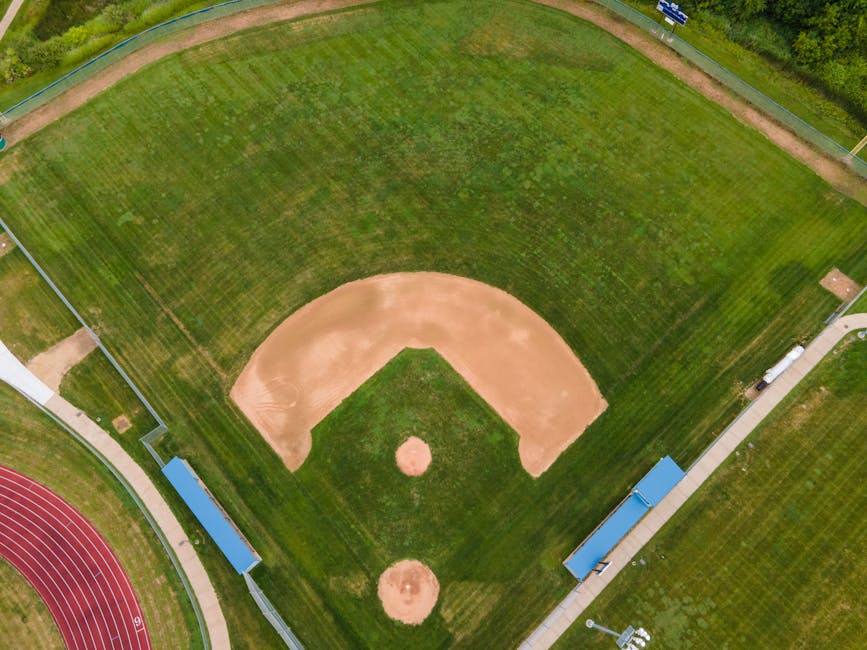
Finding the right league for your child is the first step in the journey. Little League International is very specific about where children can play. Unlike some “travel ball” teams where you can join any group, Little League is built on the idea of community. This means your child usually plays with the kids they go to school with or live near.
Using the Official League Finder Tool
The easiest way to find your league is to use the official “League Finder” tool on the Little League website. You simply type in your home address or your child’s school address. The system will then show you exactly which league your child is eligible to join. This prevents any confusion later in the season, especially if your child is selected for an All-Star team, as eligibility is strictly enforced.
Understanding Boundary and School Rules
Little League uses boundaries to keep the playing field level and maintain the “hometown” feel. There are two ways to qualify for a league. First, if your primary residence is within the league’s boundary, you are in. Second, if your child attends a school that is physically located within the league’s boundary, they can play there even if you live in a different town.
This “school rule” is a favorite for many parents. It allows kids to play with their school friends, making carpooling much easier. If you choose the school option, you will just need a form signed by a school administrator to prove enrollment. It is a simple process that opens up more opportunities for kids to get involved.
What Is the Timeline for Little League Registration?

If you wait until you see kids playing at the park to try and sign up, you are likely too late. Little League registration happens months before the first blade of grass turns green. Because leagues have to order uniforms, reserve fields, and train volunteers, they need their player counts finalized early in the year.
Early Bird Sign-ups
Many leagues offer “Early Bird” registration. This usually starts in November or December. Not only does this help the league plan, but it often saves parents money. Leagues frequently offer a discount of $10 to $25 for those who sign up early. If you have multiple children playing, these savings can really add up. It also guarantees your child a spot before divisions fill up.
Regular and Late Registration Windows
The “Regular” registration window typically runs through January and February. This is when the bulk of families sign up. By late February, most leagues move into “Late Registration.” At this stage, you might have to pay an extra fee, and your child might be placed on a waiting list. Leagues have a hard cap on how many players they can take based on the number of fields and coaches available, so it is always better to act sooner rather than later.
Required Documentation for Parents
When you register, you won’t just be filling out a name and age. You will need to provide proof of age and proof of residency. A birth certificate is the standard for age. For residency, leagues usually ask for three different documents, such as a driver’s license, a utility bill, and a piece of mail like a bank statement. If you are using the school rule, you will need the school enrollment form instead. Having these documents ready as digital files will make the online registration process go much faster.
Why Are Player Evaluations and Tryouts Important?
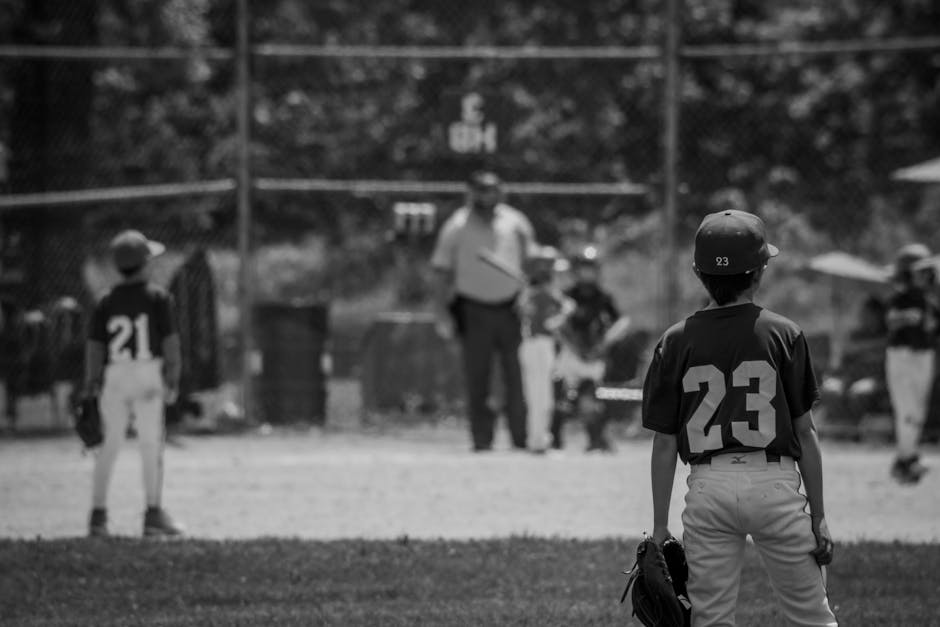
The word “tryout” can be scary for a young child, but in Little League, it is usually called an “evaluation.” In most local leagues, every child who registers will get to play. The goal of these evaluations isn’t to cut players, but to make sure the teams are balanced and fair.
Assessing Skill Levels for Safety
Safety is the number one priority in youth sports. During evaluations, coaches watch kids throw, catch, and hit. This helps them identify if a child is in the correct division. For example, if a child is older but has never played baseball before, putting them in a high-velocity division might be dangerous. Conversely, a very skilled young player might be moved up a level to keep them challenged and safe from boredom. It’s all about finding the “Goldilocks” zone where the challenge matches the skill.
The Draft Process and Team Balancing
After evaluations are finished, the league managers get together for the “Draft.” Imagine a room full of coaches picking players one by one, like the MLB or NFL draft. The goal is to ensure that one team doesn’t end up with all the “superstars” while another team struggles. By spreading the talent around, the league ensures that games are competitive and fun for everyone. This balance is what makes Little League so exciting—any team can win on any given day.
What Equipment Does Your Child Need to Start?
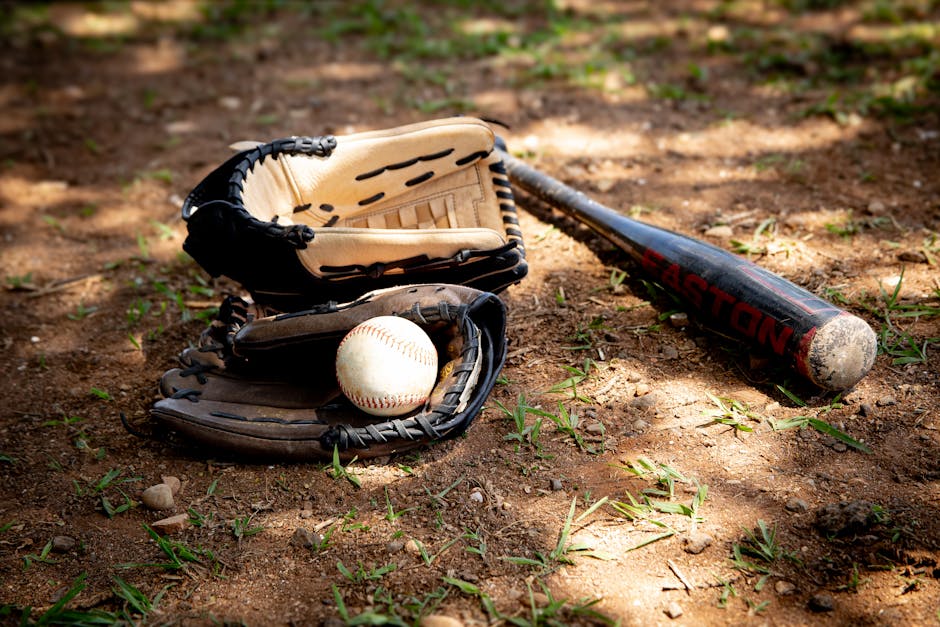
Walking into a sporting goods store can be overwhelming. There are hundreds of gloves, bats, and cleats to choose from. You don’t need the most expensive gear to have a great season. In fact, for younger kids, simpler is often better. Let’s break down what you actually need to buy and what the league will provide.
Essential Personal Gear
The most important piece of equipment is the baseball glove. It should fit the child’s hand snugly but not be so stiff that they can’t close it. A common mistake is buying a glove that is too big, thinking the child will “grow into it.” A glove that is too big makes it hard to catch the ball and can lead to frustration. You will also need baseball cleats (molded plastic, not metal for younger divisions), a protective cup for boys, and a pair of baseball pants.
Understanding the USA Baseball Bat Standard
This is a big one for parents. Little League requires all bats to have the “USA Baseball” logo stamped on them. Bats with the “USSSA” stamp are generally not allowed in Little League play because they are designed to hit the ball much harder and further, which can be a safety risk on smaller fields. Before you spend money on a bat, check the barrel for that USA logo. If you aren’t sure, ask your coach or a league official. Many leagues also have “team bats” that kids can share if you aren’t ready to buy your own yet.
Items Provided by the League
Your registration fee covers more than just the field lights. Most leagues provide a jersey and a hat for every player. These are yours to keep. The league also provides “communal” gear for each team, such as catcher’s equipment and helmets. However, many parents prefer to buy their child their own helmet for hygiene and a better fit. If you are on a budget, don’t worry—the league-provided gear is perfectly safe and inspected every year.
How Are the Little League Age Divisions Organized?
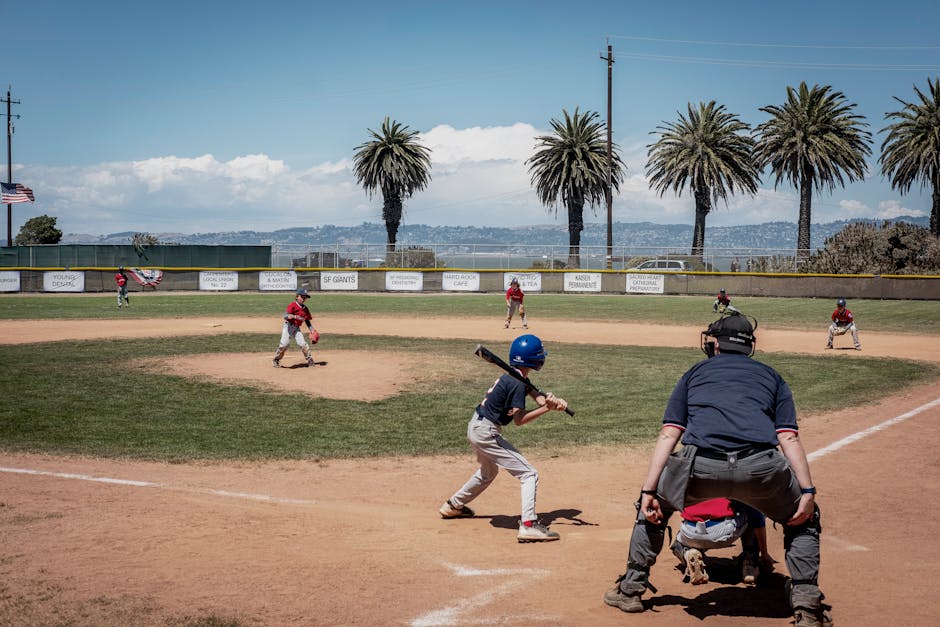
Little League isn’t just one big group of kids. It is broken down into divisions based on age and skill level. This ensures that a 5-year-old isn’t trying to hit a pitch from a 12-year-old. Understanding where your child fits is key to a good experience.
The Little League Age Chart Explained
Little League uses something called “League Age” rather than a child’s actual age on the day they play. They use a specific cutoff date (usually August 31st). This means that if your child turns 10 in July, their “League Age” for the spring season might actually be 10, even if they were 9 when registration started. This can be confusing, so most leagues provide an age chart on their website. It’s like a map that tells you exactly which division your child belongs in based on their birth month and year.
From Tee Ball to Senior League
The journey usually begins with Tee Ball and moves up as the child grows. Here is a general breakdown of how these divisions look in most local leagues:
| Division Name | Typical Age Range | Key Features |
|---|---|---|
| Tee Ball | 4 – 7 years old | Hitting off a tee, no score kept, focus on basics. |
| Minor League | 7 – 11 years old | Coach pitch or kid pitch, introduction to scorekeeping. |
| Major Division | 9 – 12 years old | Full kid pitch, more competitive, path to World Series. |
| Intermediate (50/70) | 11 – 13 years old | Bigger fields, leading off, more “real” baseball rules. |
| Junior League | 12 – 14 years old | Conventional 90-foot diamond, advanced play. |
| Senior League | 13 – 16 years old | High school level play on full-sized fields. |
What Is the Difference Between Spring and Fall Ball?
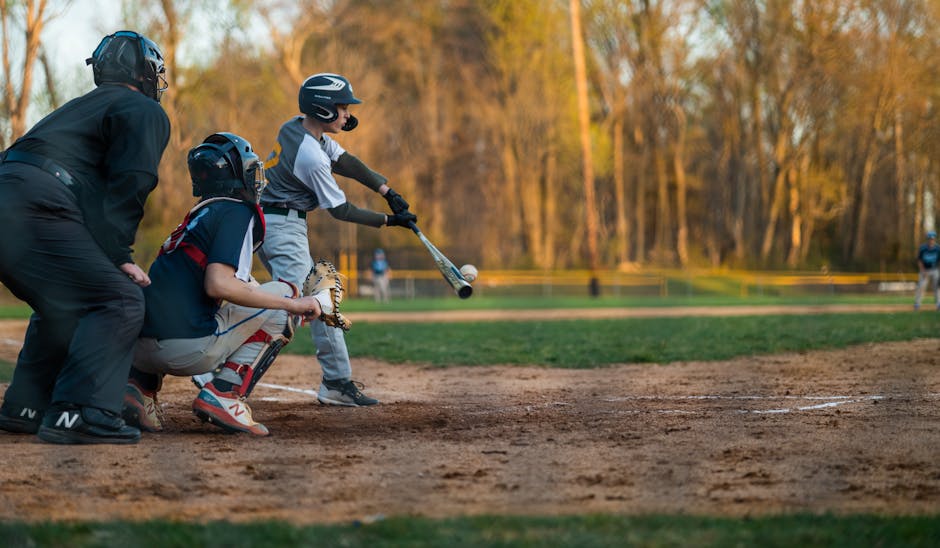
While spring is the “main” season, many leagues also offer a fall season. Think of spring ball like the regular season and fall ball like a training camp. Both are great, but they serve very different purposes for the players.
Competitive Spring Seasons
Spring is when the stakes are higher. This is the season that leads to the famous Little League World Series in Williamsport, Pennsylvania. Teams compete for league championships, and at the end of the season, “All-Star” teams are selected. These All-Star teams represent the league in District, Sectional, and State tournaments. The atmosphere is energetic, and the focus is on playing the best baseball possible while still having fun.
Instructional Fall Programs
Fall ball is much more relaxed. It usually runs from September to late October. The primary goal of fall ball is learning. Often, kids will play in the division they plan to move into next spring. For example, a child who finished Tee Ball in May might play “Coach Pitch” in the fall to get used to a moving ball. There are usually fewer games and more focus on teaching. It is a great way for new players to try the sport without the pressure of a big competitive season.
How Can Parents Volunteer and Get Involved?
Little League is a 100% volunteer-run organization. From the person selling hot dogs to the person umpiring behind the plate, everyone is giving their time for the kids. Without parent volunteers, the league simply doesn’t happen. Getting involved is also one of the best ways to bond with your child and meet other families in your neighborhood.
On-Field Coaching and Umpiring
If you have a love for the game, coaching might be for you. You don’t need to be an expert; you just need patience and a positive attitude. Leagues provide training and practice plans to help you. If you prefer a different view of the field, consider umpiring. Umpiring is a great way to stay active and ensure the games are played fairly. Most leagues are desperate for umpires and will provide all the training and gear you need.
Off-Field Support and Board Positions
Not a “sports person”? No problem. Leagues need help in the concession stand, which is often the main source of income for the league. You can also help with field maintenance—raking the dirt and painting the lines makes a huge difference for the players. For those who are organized, board positions like Secretary, Treasurer, or Safety Officer are vital roles that keep the league running smoothly behind the scenes. Every little bit of help makes the season better for the kids.
What Are the Most Frequently Asked Questions About Little League?
How much does it cost to play Little League?
Registration fees vary by location, but they typically range from $75 to $200 per child. This fee covers insurance, uniforms, field rentals, and equipment. Many leagues offer scholarships or financial aid for families who need help covering the cost, so don’t let the price tag stop your child from playing.
Can my child play if they have never played before?
Absolutely! Little League is designed to be an instructional program. Coaches expect to have beginners in almost every division, especially in Tee Ball and Minors. The focus is on learning the game and improving over the course of the season, regardless of the starting point.
What happens if it rains on a game day?
Rain is part of the game. Most leagues have a “Weather Hotline” or use a mobile app to notify parents of cancellations. If a game is rained out, the league will try to reschedule it for a later date, usually on a weekend or a practice night. Safety is always first; if the field is muddy or there is lightning, the game will be called off.
How many days a week is the time commitment?
For younger divisions like Tee Ball, you can expect one practice and one game per week. As kids get older, the commitment increases. Major division teams might practice twice a week and play two games. Generally, you should plan for 3 to 4 days of baseball activity per week during the height of the spring season.
Do I have to live in the town to play in that league?
Usually, yes. You must either live within the league’s boundaries or your child must attend a school within those boundaries. If you move out of the area but your child was already playing in the league, you may be able to get a “waiver” to allow them to finish their time there. Check with your local league president for specific rules.
What is the “USA Bat” rule?
The USA Bat rule requires all non-wood bats to carry the USA Baseball logo. This rule was implemented to make the game safer and more like the wood-bat game. It ensures that the ball doesn’t come off the bat at dangerous speeds, protecting the pitchers and infielders. Always look for the logo before buying a new bat.
When are All-Stars selected?
All-Star selection usually happens in late May or early June, near the end of the regular spring season. Coaches and players vote on who should represent the league. These teams then go on to play in a tournament that begins in late June or July. It is a higher level of competition and requires a separate time commitment through the summer.
Conclusion
Preparing for the Little League season is an exciting time for both parents and players. By understanding the timeline—from early winter registration to the first pitch in April—you can ensure a stress-free start to the year. Remember to check your local league’s boundaries, get the right USA-stamped gear, and consider how you can volunteer to help the community. Whether your child is just starting in Tee Ball or moving up to the Major division, the lessons learned on the diamond will last a lifetime. Get ready to grab your glove, head to the field, and enjoy the great game of baseball.